

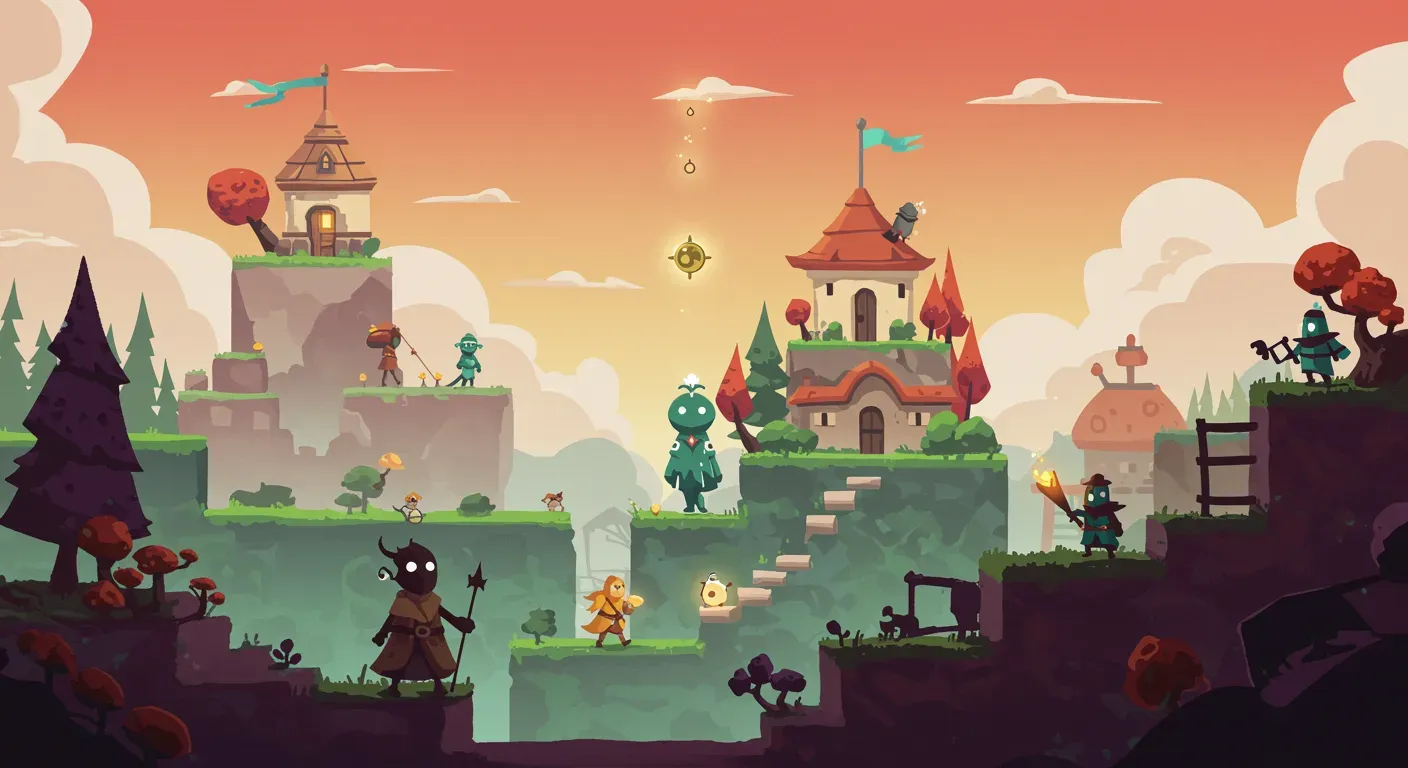
In the ever-evolving landscape of indie gaming, Stacklands has emerged as a captivating title, not only for its engaging gameplay but also for its distinct art style. This blog post delves into the unique visuals of Stacklands, exploring how they contribute to the overall gaming experience and what they reveal about modern game design.
The Aesthetic Appeal of Stacklands
At first glance, Stacklands presents a charming and whimsical world that draws players in. The game employs a minimalist art style, characterized by simple shapes and vibrant colors. This aesthetic choice is not merely for visual appeal; it plays a crucial role in enhancing gameplay mechanics. By using easily recognizable icons and animations, the game ensures that players can quickly grasp complex concepts without overwhelming them.
Example: Color Palette and Design
The color palette used in Stacklands is both playful and inviting. The use of bright greens, blues, and yellows creates a lively atmosphere, reminiscent of childhood drawings. This choice not only enhances the visual experience but also fosters a sense of nostalgia, making players feel at home in this digital landscape.
The Role of Icons in Gameplay
One of the standout features of Stacklands is its use of iconography. Each element in the game, from resources to characters, is represented by an icon. This design choice simplifies interactions, allowing players to stack and combine items seamlessly. The clarity of these icons reduces cognitive load, enabling players to focus more on strategy rather than deciphering complex graphics.
Insight: Streamlined User Experience
By prioritizing clarity and simplicity, Stacklands ensures that players of all ages can enjoy the game. This approach aligns with the growing trend in game design that values user experience, making games more accessible to a wider audience.
Dynamic Animation and Feedback
Animation in Stacklands is not just for aesthetics; it serves a functional purpose. The game features dynamic animations that provide immediate feedback to players. When items are stacked or combined, the animations are smooth and satisfying, enhancing the overall gameplay experience.
Real-World Example: Satisfying Actions
Consider the joy of stacking items and watching them transform into new resources. This visual feedback creates a rewarding loop, encouraging players to experiment and explore. The satisfaction derived from these animations is a key element in keeping players engaged.
Ethical Considerations in Game Art
As we analyze the art style of Stacklands, it is essential to consider the ethical implications of game design. The minimalist approach can sometimes lead to oversimplification, which may inadvertently reinforce stereotypes or misrepresent cultures.
Discussion: Cultural Sensitivity
Game developers must remain vigilant about the imagery and themes they choose to depict. While Stacklands excels in creating a whimsical environment, it is crucial for all developers to approach their art style with cultural sensitivity, ensuring that their visuals do not perpetuate harmful stereotypes or misrepresentations.
The Future of Game Art Styles
Looking ahead, the art style of Stacklands may inspire future indie developers to explore similar minimalist aesthetics. As technology advances, the potential for creating even more immersive and visually appealing worlds is limitless.
In conclusion, the unique visuals of Stacklands are a testament to the power of thoughtful design in gaming. By combining simplicity with functionality, the game creates an engaging experience that resonates with players. As the gaming industry continues to evolve, we can expect to see more innovative art styles that challenge conventional norms and push the boundaries of creativity.
In the end, Stacklands not only entertains but also serves as a reminder of the importance of art in the gaming experience. As players, we should appreciate the effort and creativity that goes into crafting these digital worlds, while also advocating for ethical practices in game design.