

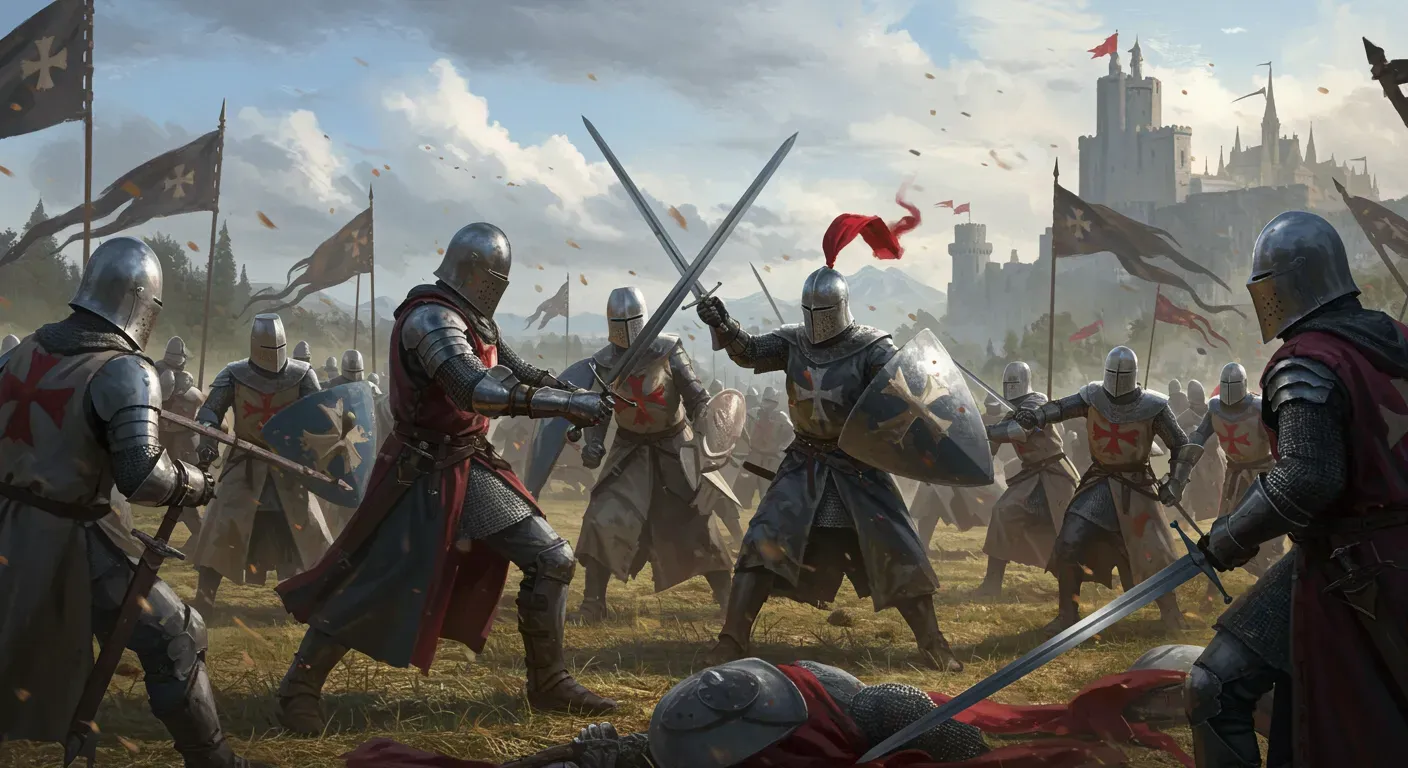
Medieval combat games have gained immense popularity in recent years, with players drawn to the thrill of sword fights, strategic battles, and immersive environments. Two of the most prominent titles in this genre are For Honor and Chivalry 2. Both games offer unique experiences, but which one truly reigns supreme? In this post, we’ll delve into the gameplay mechanics, graphics, community, ethical considerations, and future prospects of both titles to help you decide which game deserves your time and attention.
Gameplay Mechanics
For Honor: Skill and Strategy
For Honor, developed by Ubisoft, is renowned for its intricate combat mechanics. Players choose from three factions: Knights, Vikings, and Samurai, each with unique heroes. The game employs a “Art of Battle” system that emphasizes skill-based combat, allowing players to block, parry, and counterattack with precision. The depth of the combat system means that mastering a character can take significant time and practice, making it rewarding for those who invest the effort.
Chivalry 2: Chaos and Fun
On the other hand, Chivalry 2, developed by Torn Banner Studios, takes a slightly different approach. While it also features melee combat, it leans more towards chaotic large-scale battles with up to 64 players. The game is less about one-on-one duels and more about team-based objectives, where players can choose from different classes and engage in massive brawls. This approach creates a more casual and fun atmosphere, appealing to players who enjoy the thrill of large-scale combat over intricate mechanics.
Graphics and Sound Design
For Honor: A Visual Masterpiece
Visually, For Honor stands out with its stunning graphics and detailed environments. The game features beautifully rendered landscapes that transport players to different historical settings, from medieval castles to lush forests. The sound design complements the visuals, with immersive audio effects that enhance the feeling of being in the midst of battle.
Chivalry 2: A Unique Artistic Style
In contrast, Chivalry 2 opts for a more stylized aesthetic. While it may not reach the same level of realism as For Honor, its vibrant colors and exaggerated character designs create a distinct atmosphere. The sound effects, including the satisfying clang of swords and the sounds of battle, contribute to the overall enjoyment of the game, making players feel engaged in the chaotic environment.
Community and Multiplayer Experience
For Honor: Competitive Community
For Honor has cultivated a dedicated competitive community, with regular tournaments and events. The game’s ranked mode allows players to test their skills against others, fostering a sense of rivalry and camaraderie. However, this competitive nature can sometimes lead to toxicity within the community, as players may become overly critical of one another.
Chivalry 2: Emphasis on Fun
Conversely, Chivalry 2 focuses on a more casual and fun multiplayer experience. The game’s community tends to be more laid-back, with players enjoying the chaos of large battles rather than competing for rank. This approach can create a more welcoming environment for newcomers, but it may lack the depth of engagement found in For Honor‘s competitive scene.
Ethical Considerations
Both For Honor and Chivalry 2 present ethical considerations regarding violence and historical representation. While both games are set in medieval times and feature graphic combat, they do so in a way that emphasizes fantasy rather than realism. It’s essential for players to recognize the difference between virtual violence and real-world implications, ensuring that their enjoyment of these games does not translate into desensitization to violence in real life.
Future Prospects and Conclusion
As we look to the future, both games have the potential for growth and expansion. For Honor has a history of adding new content, including heroes and maps, while Chivalry 2 is likely to receive further updates that enhance gameplay and introduce new features.
In conclusion, the choice between For Honor and Chivalry 2 ultimately depends on what you seek in a medieval combat game. If you prefer a skill-based, competitive experience, For Honor is your best bet. However, if you enjoy chaotic, team-based battles with a more casual approach, Chivalry 2 may be the game for you. Whichever you choose, both games offer unique experiences that celebrate the thrill of medieval combat.