

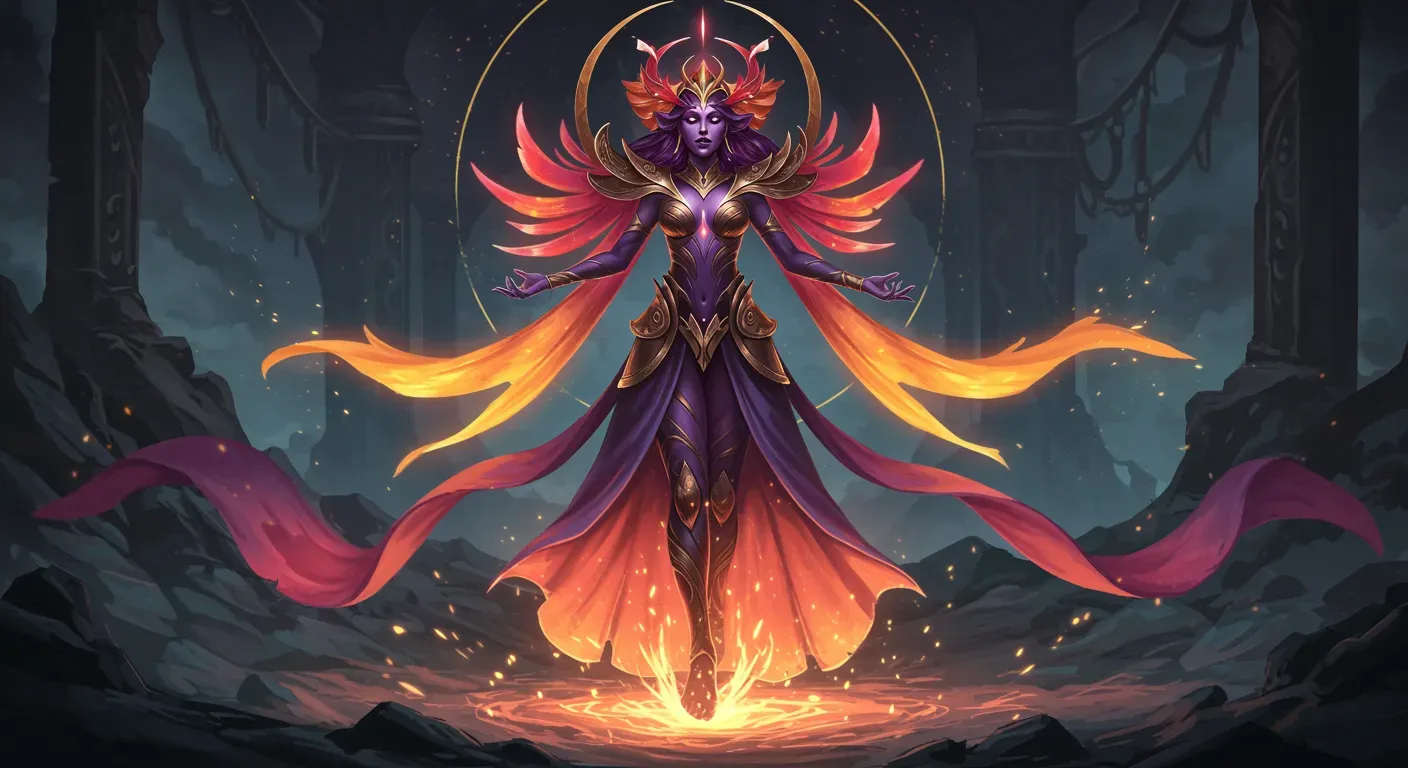
In the ever-evolving landscape of video games, art style and design play pivotal roles in shaping player experiences. One game that has captured attention for its distinctive aesthetics is Lust Goddess. This blog post delves into the unique art style and design choices that make Lust Goddess stand out, exploring its impact on gameplay, narrative, and player engagement.
The Artistic Foundation of Lust Goddess
At first glance, the art style of Lust Goddess is strikingly bold and colorful, drawing players into its vivid world. The game blends elements of fantasy and eroticism, creating a visual narrative that is both alluring and immersive. The character designs are particularly noteworthy, featuring exaggerated proportions and vibrant colors that reflect the emotional states of the characters. This choice not only enhances the visual appeal but also serves to communicate deeper themes within the game.
Real-World Example:
Games like Final Fantasy and Bayonetta have similarly embraced exaggerated character designs to convey personality and narrative depth. Lust Goddess takes this further by intertwining its visual elements with the gameplay mechanics, enhancing the overall experience.
Color Palette and Symbolism
The color palette in Lust Goddess is carefully curated, with each hue chosen to evoke specific emotions or represent various themes. Warm tones dominate the scenes, creating an inviting atmosphere that contrasts with the game's more provocative elements.
Ethical Considerations:
While the use of vibrant colors can enhance player engagement, it is essential to consider the implications of how colors are used to portray certain themes. The balance between allure and objectification should be carefully navigated to avoid reinforcing negative stereotypes.
Environmental Design: Crafting an Immersive World
The environments in Lust Goddess are meticulously designed, ranging from lush landscapes to intricately detailed interiors. Each setting is crafted to complement the unfolding narrative, inviting players to explore and interact with the world.
Insight:
The game employs a blend of 2D and 3D elements, creating a layered visual experience that encourages exploration. This design choice mirrors successful titles like Hollow Knight, where the environment itself becomes a character, rich with lore and secrets.
Animation and Movement: Bringing Characters to Life
Animation is a crucial component of Lust Goddess's art style. The fluidity of character movements enhances the sensuality of the game while also ensuring that gameplay feels responsive and engaging.
Real-World Example:
Games like Celeste and Ori and the Blind Forest have set high standards for character animation, showcasing how movement can convey emotion and narrative. Lust Goddess builds on these foundations, using animation to deepen player immersion.
Future Trends in Game Art Styles
As the gaming industry continues to evolve, the art styles we see will undoubtedly change. Lust Goddess exemplifies a growing trend toward integrating aesthetic choices with gameplay mechanics and narrative. Future games may continue to explore this intersection, pushing the boundaries of how art is used to enhance player experiences.
In conclusion, Lust Goddess stands out not just for its provocative themes but for its unique art style and design choices that elevate the gaming experience. By analyzing its visual elements, we can appreciate the artistic risks taken and their impact on gameplay and narrative. As we look to the future, it will be exciting to see how upcoming titles draw inspiration from Lust Goddess and continue to innovate in the realm of game design.