

# The Unique Aesthetic of Reverse: 1999 and the AI Art Debate
In the vast world of visual storytelling, few art styles resonate with audiences like the unique aesthetics found in *Reverse: 1999*. This captivating mobile game blends nostalgia with modern design, creating a rich tapestry of visuals that not only draw players in but also provoke thought and emotion. In this blog post, we will explore the distinctive art style of *Reverse: 1999*, its influences, and the community questions surrounding its creation, particularly regarding the use of AI.
The Aesthetic Foundation of Reverse: 1999
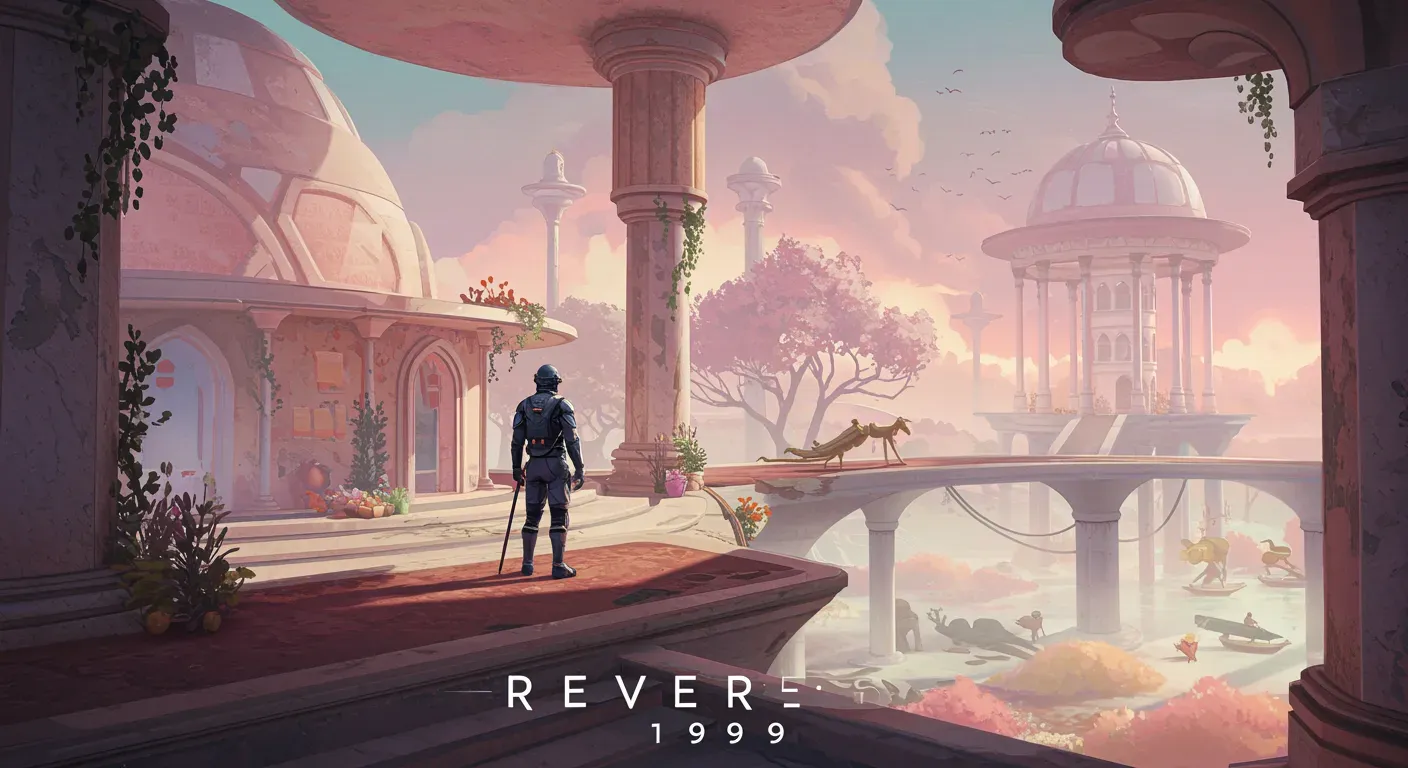
*Reverse: 1999* draws heavily from various artistic movements, particularly the surrealism and retro-futurism of the late 20th century. The game's environment is characterized by dreamlike landscapes and anachronistic elements that blend the past with a speculative future.
Key Characteristics:
- Color Palette: The game employs a muted yet vibrant color scheme, creating an atmosphere that feels both nostalgic and contemporary.
- Character Design: Characters are meticulously crafted, featuring exaggerated proportions and intricate details that reflect their personalities and backgrounds.
Inspirations Behind the Art Style
The art style of *Reverse: 1999* is not created in a vacuum. The developers drew inspiration from various sources, including classic literature, vintage films, and even modern anime.
Notable Influences:
- Classic Literature: The narrative richness often mirrors the themes found in works by authors like Gabriel Garcia Marquez, where magical realism plays a significant role.
- Vintage Films: The cinematography and visual storytelling echo the works of directors like Federico Fellini, known for their surreal and dreamlike imagery.
The Role of Visual Storytelling
Visual storytelling is crucial in *Reverse: 1999*, as it enhances the narrative and emotional depth of the game. The art style serves not just as a backdrop but as a character in its own right, influencing how players perceive the story.
Emotional Engagement:
- Symbolism: The use of symbols and motifs throughout the game invites players to engage more deeply with the narrative.
- Atmosphere: The art style creates an immersive atmosphere that evokes feelings of nostalgia, curiosity, and sometimes even melancholy.
Ethical Considerations in Game Art
As with any creative endeavor, the art style in *Reverse: 1999* raises important ethical considerations. The blending of cultures and historical references can sometimes lead to misrepresentation or cultural appropriation.
Responsible Design:
- Cultural Sensitivity: Developers must ensure that their inspirations respect the cultures they draw from, avoiding stereotypes and misinterpretations.
- Representation: The game strives for diverse representation in character design and storytelling, promoting inclusivity and understanding.
Looking Ahead: The Future of Game Art Styles and the AI Question
As technology continues to evolve, so too will the art styles in gaming. The success of *Reverse: 1999* could pave the way for more innovative and visually striking games that challenge traditional norms. A common question among players is, "Does *Reverse: 1999* use AI in its art?"
While *Reverse: 1999* showcases a distinct hand-drawn aesthetic, the role of AI in modern game development is undeniable. Many studios use 2D and 3D AI tools in their pipelines for various stages, such as generating concept art, creating base meshes, or assisting with texture generation. These tools can speed up initial creative processes, allowing artists to iterate faster. However, the final polished assets, especially for character designs and key visuals, typically involve significant human artistic input and refinement to maintain a consistent and unique style. This distinction is important: AI often serves as a powerful assistant rather than a sole creator in producing the final, high-quality art we see in games.
This leads us to the broader discussion of how AI is transforming the creation of game assets. The emergence of tools for AI 3D asset creation for games is changing how developers approach visual content.
Future Trends:
- Augmented Reality (AR): Integrating AR could enhance the immersive experience, allowing players to interact with the art in real-world settings.
- AI-Driven Art: The use of artificial intelligence in creating dynamic visuals could lead to personalized experiences tailored to individual player preferences. This includes advancements in AI 3D model generators that can produce complex assets with increasing realism and efficiency.
The art style of *Reverse: 1999* is a testament to the power of visual storytelling in gaming. By blending influences from various artistic movements and maintaining a commitment to ethical design, the game not only captivates players but also invites them to reflect on the deeper themes within its narrative. As we look to the future, it will be interesting to see how game art continues to evolve, pushing boundaries and redefining what is possible in interactive storytelling, with or without the assistance of AI.