How to Get Into Game Development: Beginner Roadmap
So, you want to make video games? It?? a dream for many, but the path to becoming a game developer can feel like a maze. The good news is that with the right roadmap, anyone with a passion for games can learn how to get into game development. This article will guide you through the essential steps, from choosing your role to building your first game.
Choose Your Path: Game Development Roles: How To Get Into Game Development
Game development is a team sport, and there are many different roles you can play. When working with how to get into game development, this matters. Here are a few of the most common paths for aspiring developers.
Game Designer
Game designers are the visionaries. When working with how to get into game development, this matters. They come up with the core concepts, mechanics, and rules of the game. If you're constantly thinking about how to make games more fun and engaging, this might be the role for you. Designers create detailed documents that outline the game's structure, and they work closely with the rest of the team to bring their vision to life. A good game designer has a deep understanding of player psychology and can create experiences that are both challenging and rewarding. They are responsible for the overall player experience, from the moment the player starts the game until the credits roll.
Game Programmer
Programmers are the builders. They write the code that makes the game work. This involves everything from creating the game's physics and AI to implementing the user interface. If you enjoy problem-solving and have a knack for logic, a career in game programming could be a great fit. You'll need to be proficient in languages like C++ or C# and comfortable working with complex systems. Game programmers are the architects of the digital world, turning ideas into interactive experiences. They are the ones who breathe life into the characters and make the game world feel alive.
Game Artist
Game artists are the visual storytellers. They create the 2D and 3D assets that make up the game world, including characters, environments, and special effects. This is a broad field with many specializations, such as concept art, 3D modeling, and animation. If you have a strong artistic eye and a passion for creating beautiful visuals, this is the path for you. Game artists are responsible for the look and feel of the game, and their work plays a huge role in immersing the player in the game world. They use their skills to create everything from the smallest prop to the most epic landscape.
Other Roles
Beyond these core roles, there are many other important jobs in game development. Sound designers create the audio landscape of the game, from the soundtrack to the sound effects. QA testers play the game extensively to find and report bugs. And producers manage the project, ensuring that it stays on schedule and within budget. Each of these roles is essential to creating a polished and successful game.
Essential Skills for Game Development
No matter which role you choose, there are some fundamental skills you'll need to succeed in game development.
Programming Languages
Even if you're not a programmer, having a basic understanding of code can be incredibly helpful. The most common languages in game development are C++ and C#. Python is also becoming more popular, especially for scripting and tool development. C++ is known for its performance and is often used for AAA games. C# is the language of choice for Unity and is known for its ease of use. Python is a versatile language that can be used for a variety of tasks, from prototyping to tool development.
Game Engines
Game engines are the foundation of modern game development. They provide the tools and frameworks you need to build a game, from rendering graphics to handling physics. The most popular engines are Unreal Engine and Unity, but there are many others to choose from, like Godot and GameMaker. Choosing the right engine depends on your project's needs and your personal preferences. Some engines are better for 2D games, while others excel at 3D. Some are more beginner-friendly, while others offer more power and flexibility.
3D Modeling and Animation
For artists, proficiency in 3D modeling and animation software is a must. Blender is a popular open-source option, while Maya and 3ds Max are industry standards. Learning how to create and animate 3D models is a valuable skill for any aspiring game artist. 3D modelers create the characters, props, and environments that make up the game world. Animators bring these models to life, giving them movement and personality. Together, they create the visual spectacle that draws players into the game.
How to Get into Game Development: A Step-by-Step Guide
Ready to start your journey? Here's a step-by-step guide to help you get started.
Step 1: Learn the Fundamentals
Before you can make a game, you need to understand the basics. Start by learning a programming language, like C# or Python. There are tons of free resources online, from YouTube tutorials to interactive coding websites. At the same time, start learning about game design principles. Read books, watch GDC talks, and analyze your favorite games to understand what makes them tick. The fundamentals are the foundation upon which you'll build your skills as a game developer. A strong foundation will make it easier to learn new technologies and adapt to the ever-changing landscape of the game industry.
Step 2: Choose a Game Engine and Master It
Once you have a handle on the fundamentals, it's time to choose a game engine. For beginners, Unity is often recommended for its gentle learning curve and large community. If you're interested in high-end graphics, Unreal Engine is a great choice. And if you're a fan of open-source software, Godot is a fantastic option. Whichever engine you choose, focus on mastering it. Follow tutorials, build small projects, and experiment with its features. The more you use your chosen engine, the more comfortable you'll become with its tools and workflows. This will allow you to work more efficiently and bring your ideas to life more quickly.
Step 3: Build a Portfolio of Small Projects
Your portfolio is your most important asset as a game developer. It's a collection of your best work that showcases your skills and creativity. Start by building small, simple games. A Pong clone, a text-based adventure, or a simple platformer are all great first projects. As you gain experience, you can move on to more complex projects. The key is to finish what you start and to always be learning. Each project you complete is a testament to your skills and dedication. It's a tangible piece of evidence that you can not only start a project but also see it through to completion.
Step 4: Network with Other Developers
Game development is a collaborative industry, so it's important to connect with other developers. Join online communities like the r/gamedev subreddit, attend game jams, and go to local meetups. Share your work, get feedback, and learn from others. You never know who you might meet or what opportunities might arise. Networking is not just about finding a job. It's about building relationships with people who share your passion. It's about learning from their experiences and sharing your own. It's about becoming part of a community that will support you and help you grow as a developer.
My First-Hand Experience: From Player to Creator
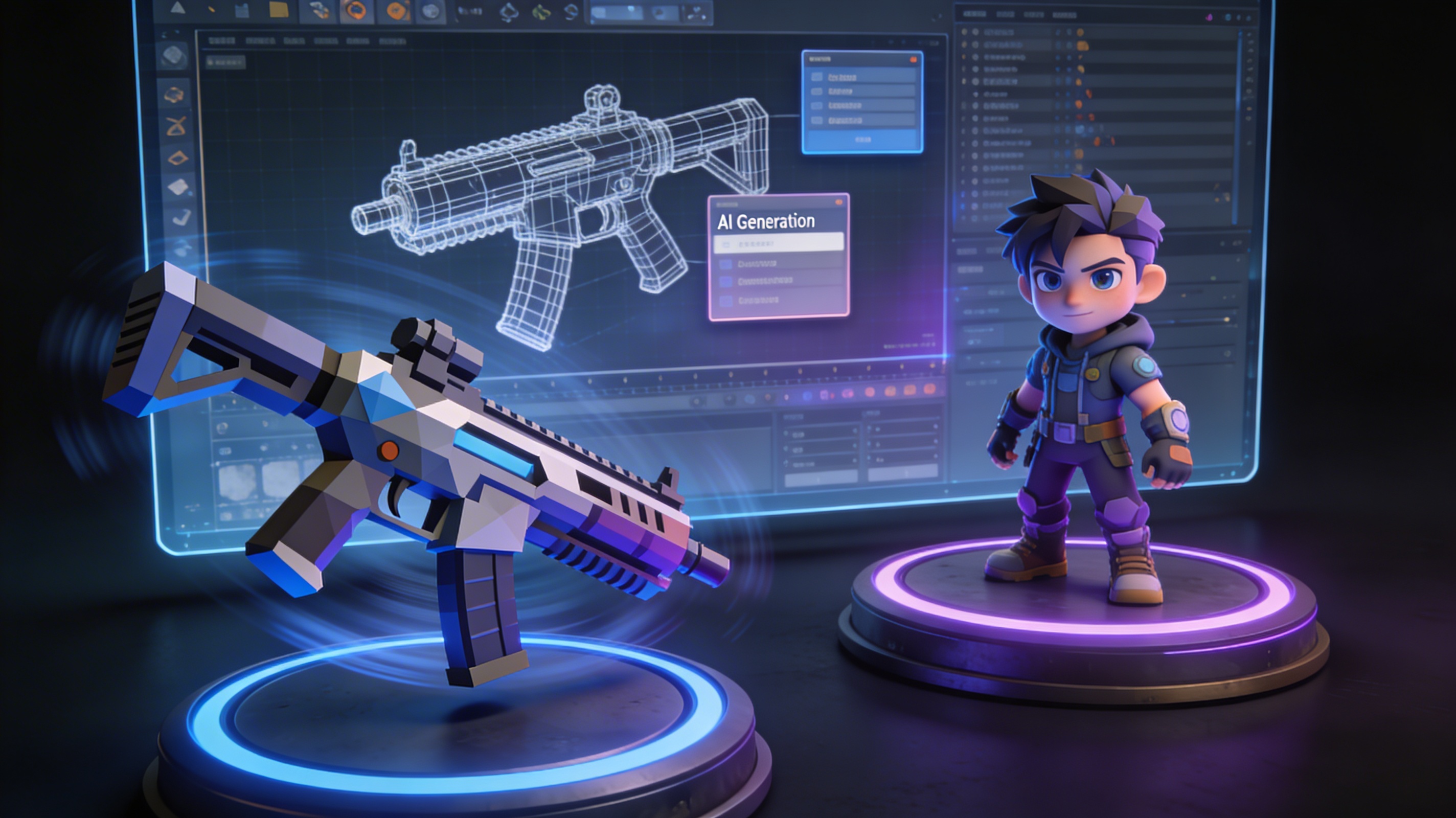
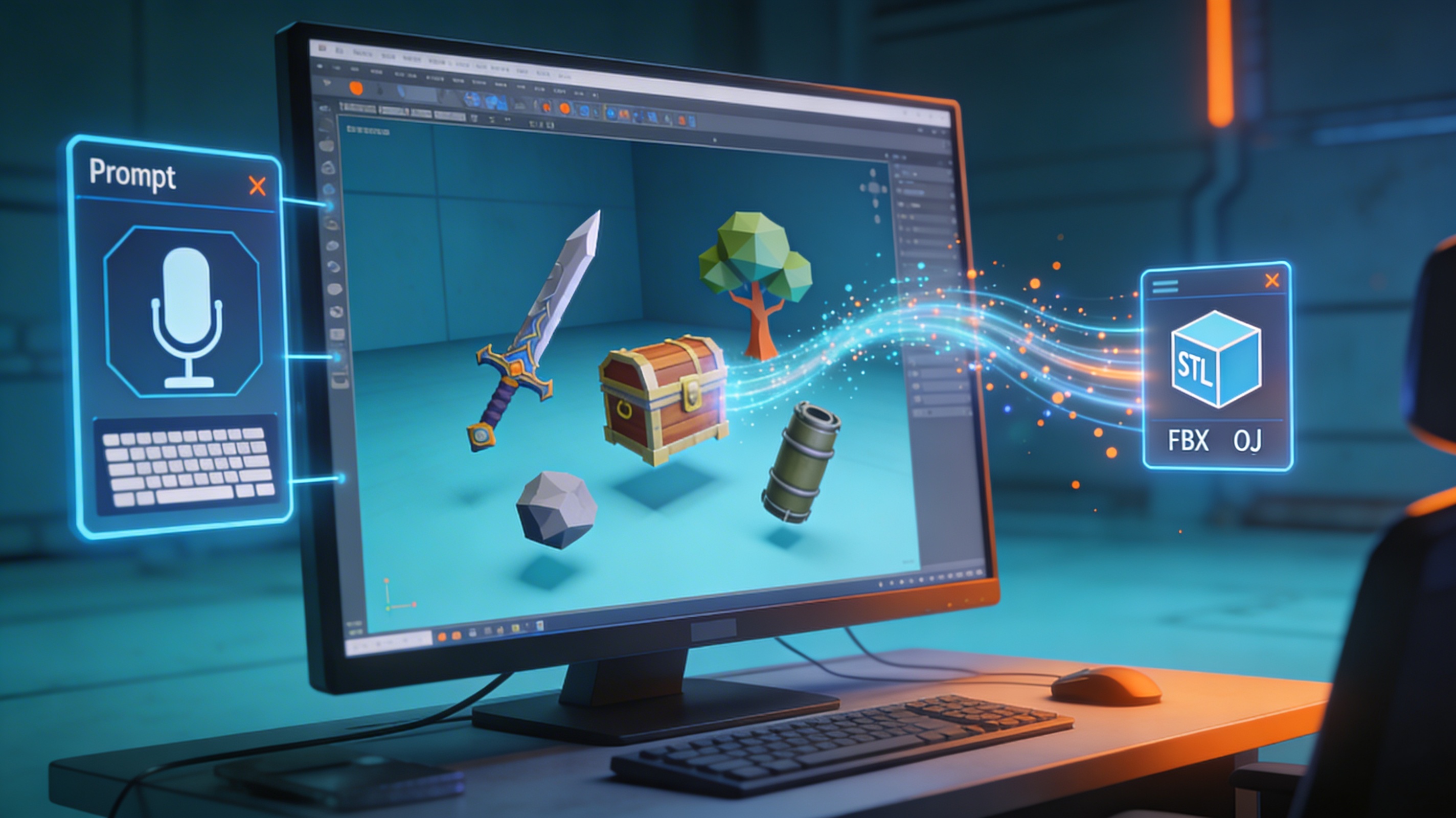
I??e always loved video games, but for a long time, the idea of making one felt out of reach. I decided to start small. I picked up Python and started making simple text-based games. It was a great way to learn the fundamentals of programming and game logic. From there, I moved on to Unity and started experimenting with 2D and 3D development. One of the biggest hurdles I faced was creating 3D assets. I'm not an artist, and learning Blender felt like a monumental task. That's when I discovered a game 3D model generator. Being able to generate high-quality 3D models from text prompts was a huge time-saver. It allowed me to focus on what I enjoyed most: designing and programming the game. I was able to create a prototype for my game in a fraction of the time it would have taken me otherwise. This allowed me to get feedback on my game early and often, which was invaluable in shaping the final product. The ability to quickly iterate on ideas is crucial in game development, and tools like this make it possible for solo developers and small teams to compete with larger studios.
Objective Comparison: Game Engines for Beginners
Choosing the right game engine is a big decision. Here's a look at three popular options for beginners.
Unity
- Pros: Unity is known for its user-friendly interface and gentle learning curve. It has a massive community, which means you'll find tons of tutorials and support online. It's also a versatile engine that's great for both 2D and 3D games.
- Cons: In recent years, some developers have raised concerns about Unity's performance in large projects. The company's recent pricing changes have also been a point of contention for some.
Unreal Engine
- Pros: Unreal Engine is famous for its stunning graphics and powerful features. If you want to make a game that looks like a AAA title, this is the engine for you. It's also free to use until your game earns over $1 million in revenue.
- Cons: The biggest downside of Unreal Engine is its steep learning curve. It's a complex engine with a lot of features, which can be overwhelming for beginners. You'll also need a powerful computer to run it smoothly.
Godot
- Pros: Godot is a free and open-source game engine that's been gaining popularity in recent years. It's lightweight, easy to learn (especially for 2D games), and has a passionate community. Since it's open-source, you can modify the engine to fit your needs.
- Cons: Godot's 3D support is not as mature as Unity's or Unreal's. While it's improving with every update, you might run into limitations if you're trying to make a complex 3D game. The community is also smaller, so you might have a harder time finding help.
FAQ
How long does it take to get into game development?
This depends on your background and how much time you're willing to dedicate. With consistent effort, you can learn the basics and build your first simple game in a few months. Becoming a professional game developer can take several years of learning and practice. There is no shortcut to success in game development. It requires patience, persistence, and a genuine passion for the craft.
Do I need a degree to be a game developer?
No, you don't need a degree to be a game developer. Many successful developers are self-taught. However, a degree in computer science, game design, or a related field can be helpful, especially if you want to work for a large studio. A degree can provide you with a strong foundation in the fundamentals and give you a competitive edge in the job market. But ultimately, your portfolio and your skills are what matter most.
How much do game developers make?
Salaries for game developers vary widely depending on their role, experience, and location. According to Glassdoor, the average salary for a game developer in the United States is around $87,000 per year. However, this is just an average. Entry-level developers can expect to make less, while experienced developers can make significantly more. Your salary will also depend on the size and success of the studio you work for.
What is the best way to learn game development?
The best way to learn game development is by doing. Start with a small, manageable project and see it through to completion. Don't be afraid to make mistakes. Every bug you fix and every problem you solve will make you a better developer. The hands-on experience you gain from building your own games is invaluable. It's how you'll learn to apply the concepts you've learned and develop your own unique style as a developer.
Can I make games by myself?
Yes, you can absolutely make games by yourself! Many successful indie games were created by solo developers. It's a lot of work, but it can also be incredibly rewarding. Tools like an AI 3D model generator can make the process much more manageable. As a solo developer, you'll be responsible for every aspect of the game, from design and programming to art and sound. It's a challenging but fulfilling experience that will teach you a lot about game development and yourself.
Conclusion
Getting into game development is a journey, not a destination. It takes time, dedication, and a willingness to learn. But with the right resources and a supportive community, you can turn your dream of making games into a reality. So what are you waiting for? Start learning, start building, and start creating. And when you need to bring your ideas to life, consider using tools like an image to 3D converter, an AI character design tool, or a 3D format converter to streamline your workflow.