

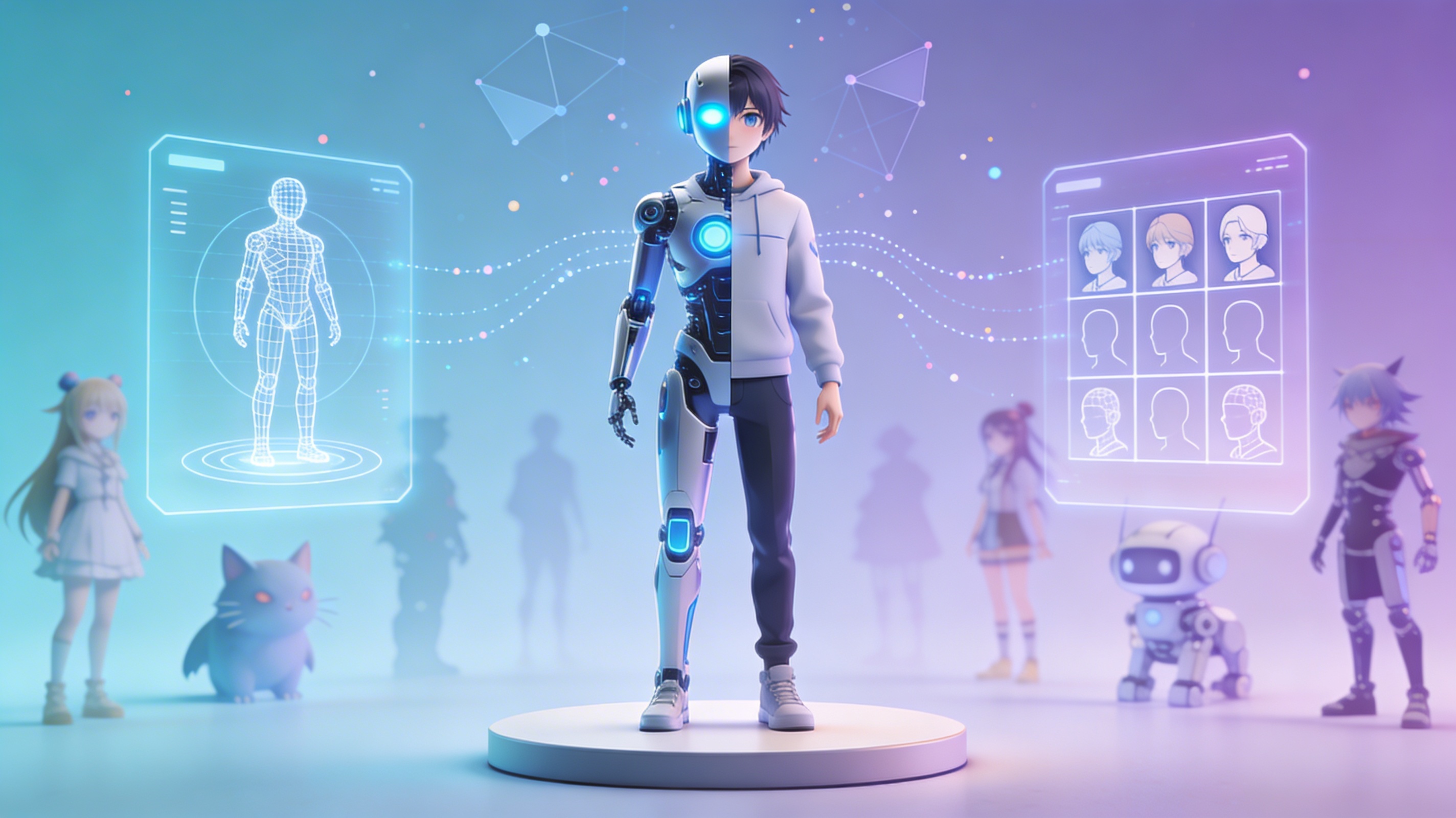
3D Game Art Pipeline: From Concept to Engine
The world of game development is a complex and fascinating one, where art and technology intersect to create immersive digital experiences. When working with game art pipeline 3d, this matters. At the heart of this process lies a structured workflow that takes an initial idea from a simple sketch to a fully realized, interactive asset in a game engine. This pipeline is the backbone of modern game development, ensuring that every visual element, from the characters we play to the worlds they inhabit, is created efficiently and to a high standard of quality. Over the years, the tools and techniques used in this process have evolved significantly, with software like Blender, ZBrush, and Substance Painter becoming industry standards. In this article, we'll explore the core stages of this pipeline, from pre-production to final integration, and share some first-hand experiences and insights to help you navigate this exciting field.
The Core Stages of the 3D Game Art Pipeline: Game Art Pipeline 3D
A successful 3D game art pipeline is a multi-stage process that requires a combination of artistic skill and technical expertise. When working with game art pipeline 3d, this matters. Each stage builds upon the last, creating a smooth workflow from concept to completion.
Pre-Production: Laying the Foundation
Before any 3D modeling begins, a solid foundation must be laid during the pre-production stage. When working with game art pipeline 3d, this matters. This is where the artistic vision for the game is established, and key decisions are made that will guide the entire development process. This stage typically involves the creation of:
- Concept Art: Detailed illustrations that define the look and feel of characters, environments, and props. When working with game art pipeline 3d, this matters. This is a crucial step as it serves as the primary visual guide for the 3D artists.
- Mood Boards: Collections of images, colors, and textures that establish the overall aesthetic and emotional tone of the game. These boards help to ensure that the entire art team is aligned on the desired visual style.
- Style Guides: Comprehensive documents that outline the artistic rules and guidelines for the project, ensuring consistency across all assets. This includes things like color palettes, character proportions, and architectural styles.
3D Modeling: Bringing Ideas to Life: Game Art Pipeline 3D
With the concept art as a guide, 3D artists begin the process of creating the actual game assets. When working with game art pipeline 3d, this matters. This is where the 2D designs are translated into three-dimensional models. There are two main types of modeling:
- Hard-surface modeling: Used for creating man-made objects with clean lines and sharp edges, such as weapons, vehicles, and architecture. This type of modeling requires precision and a good understanding of topology.
- Organic modeling: Focused on creating natural, free-flowing shapes, such as characters, creatures, and plants. This often involves digital sculpting techniques to create realistic and detailed forms.
Artists typically start by creating a high-poly model with a large number of polygons to capture as much detail as possible. This is often done in sculpting software like ZBrush. Later, a low-poly version of the model is created for use in the game engine, which is optimized for real-time rendering. This process is called retopology and is a critical step in creating game-ready assets.
UV Mapping: Preparing for Textures
Once a 3D model is complete, it needs to be prepared for texturing. This is where UV mapping comes in. UV mapping is the process of unwrapping the 3D model into a 2D representation, much like peeling an orange and laying the peel flat. This 2D "map" allows artists to apply textures to the model's surface accurately. A well-executed UV map is crucial for achieving high-quality textures and avoiding distortion. It's a meticulous process that requires patience and attention to detail.
Texturing and Shading: Adding Color and Detail
Texturing is where the 3D model truly comes to life. Artists use a variety of techniques to add color, detail, and material properties to the model's surface. The industry standard for texturing is Physically Based Rendering (PBR), which simulates how light interacts with different materials in the real world. This involves creating a set of texture maps, including:
- Albedo: The base color of the material.
- Normal: Adds surface detail without increasing the polygon count.
- Roughness: Determines how rough or smooth a surface is.
- Metallic: Defines whether a material is metallic or non-metallic.
Tools like Substance Painter have become essential for creating realistic and detailed textures. They allow artists to paint directly onto the 3D model and see the results in real-time.
Rigging and Animation: Creating Movement
For characters and other moving objects, rigging and animation are essential. Rigging is the process of creating a digital skeleton for the 3D model, which allows animators to pose and move it. This involves creating a series of bones and joints and binding them to the model's mesh. Once the model is rigged, animators can create a wide range of movements, from simple walk cycles to complex combat animations. This is where the character's personality and performance are brought to life.
Integration: Bringing it all into the Game Engine
The final stage of the 3D game art pipeline is to import the assets into a game engine, such as Unreal Engine or Unity. This is where all the different elements come together to create the final in-game experience. Developers set up shaders to control how the materials look, create lighting to illuminate the scene, and add any necessary special effects. This stage also involves a great deal of optimization to ensure that the game runs smoothly on the target hardware. This can involve creating Level of Detail (LOD) models, which are lower-resolution versions of the main model that are displayed when the object is far from the camera.
My First-Hand Experience with the 3D Game Art Pipeline
I remember working on a personal project where I had to create a character from scratch. I started with a rough sketch and then used a concept art to 3D tool to get a basic 3D model. This saved me a lot of time in the initial modeling phase. I then took the model into ZBrush for sculpting and detailing. The most challenging part for me was the texturing. I spent hours in Substance Painter, experimenting with different materials and textures to get the look I wanted. I also used a game 3D model generator to create some of the props for the character. It was a long and challenging process, but seeing the final character in the game engine was incredibly rewarding. The process taught me the importance of a well-organized workflow and the value of having a clear artistic vision from the start.
Objective Comparison: Choosing Your Modeling Tool
When it comes to 3D modeling, there are several excellent tools to choose from. Here's a quick comparison of some of the most popular options:
| Tool | Pros | Cons | Best for |
|---|---|---|---|
| Blender | Free and open-source, large and active community, versatile | Can have a steep learning curve for beginners | Hobbyists, indie developers, and professionals on a budget |
| Maya | Industry standard, powerful and flexible, excellent animation tools | Expensive, can be complex to learn | Professional animators and large studios |
| 3ds Max | Strong modeling and rendering tools, popular in architectural visualization | Expensive, less focused on animation than Maya | Game artists, architects, and visual effects artists |
| ZBrush | The best for digital sculpting, can handle millions of polygons | Not a traditional modeling tool, can be expensive | Character artists and anyone who needs to create highly detailed organic models |
For those looking for a more streamlined workflow, there are also a number of AI-powered tools available, such as Hyper3D's AI 3D model generator and image to 3D tools. These can be a great way to quickly generate assets or to get a starting point for your own creations. Hyper3D also offers an AI 3D model editor called OmniCraft for editing and format conversion.
The Future of the 3D Game Art Pipeline
The 3D game art pipeline is constantly evolving, with new tools and techniques emerging all the time. One of the most exciting developments is the rise of AI-powered tools, which are making it easier and faster than ever to create high-quality 3D assets. Real-time rendering is also becoming increasingly powerful, allowing for more realistic and immersive graphics. As technology continues to advance, we can expect to see even more amazing and innovative games in the years to come. The line between offline and real-time rendering is blurring, and we are getting closer to achieving film-quality graphics in games.
Frequently Asked Questions (FAQ)
What is a 3D game art pipeline?
A 3D game art pipeline is a structured workflow used in game development to create 3D assets, from initial concept to final integration in a game engine.
How long does it take to create a 3D game asset?
The time it takes to create a 3D game asset can vary greatly depending on the complexity of the asset and the skill of the artist. A simple prop might take a few hours, while a complex character could take weeks or even months.
What are the most important skills for a 3D artist?
The most important skills for a 3D artist include a strong understanding of art fundamentals, proficiency in 3D modeling and texturing software, and the ability to work as part of a team.
What is the difference between a high-poly and low-poly model?
A high-poly model has a large number of polygons and is used for creating detailed assets, while a low-poly model has a smaller number of polygons and is optimized for real-time rendering in a game engine.
How can I get started with 3D game art?
There are many resources available for learning 3D game art, including online tutorials, courses, and communities. A great way to start is by downloading a free 3D modeling software like Blender and following some beginner tutorials.
Conclusion
The process of creating 3D art for games is a complex but rewarding process that is essential for creating the stunning visuals we see in modern video games. By understanding the different stages of the pipeline and the tools involved, you can start to create your own amazing 3D assets. Whether you're a seasoned professional or just starting out, there's never been a more exciting time to be a 3D artist in the game industry.