
Free AI Texture Generator
for 3D Models

Create material directions for 3D assets from text prompts or image references. Hyper3D helps artists and teams generate PBR-style texture ideas for games, product visualization, AR, and design workflows.

How to Generate AI Textures for 3D Models

Move from an untextured model to a polished material direction in a few focused steps.

1

Start with a 3D Model

Upload an existing model or continue from a Hyper3D image-to-3D or text-to-3D result when the geometry is ready for materials.

Upload a 3D model for AI texturing
2

Describe or Reference the Texture

Write a prompt such as weathered bronze, clean ceramic, stylized wood, or use a reference image to guide color, wear, and surface detail.
Describe texture style with prompts or references
3

Preview, Iterate, and Export

Review the material on the asset, adjust the prompt or reference, and continue into your renderer, game engine, product view, or 3D workflow.

Preview and export the textured 3D result

Why Choose Hyper3D for AI Texturing?

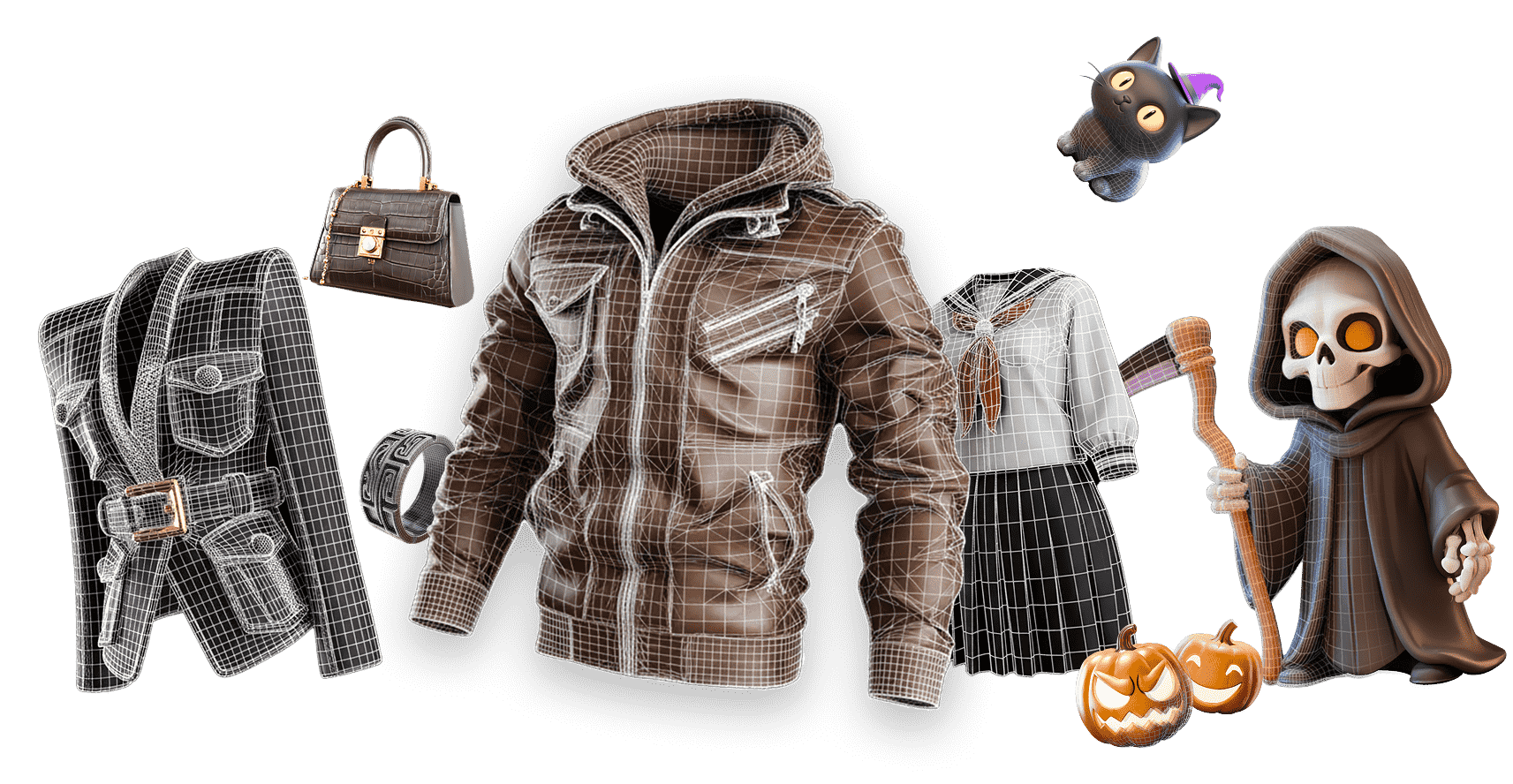
Hyper3D keeps texturing close to the rest of your 3D creation workflow, so teams can explore surface treatments without leaving the browser.
Why Choose Hyper3D for AI Texturing? visual

Built for Practical 3D Texture Workflows

Use AI texturing where material quality, speed, and export-readiness matter most.

Blender and DCC Workflows

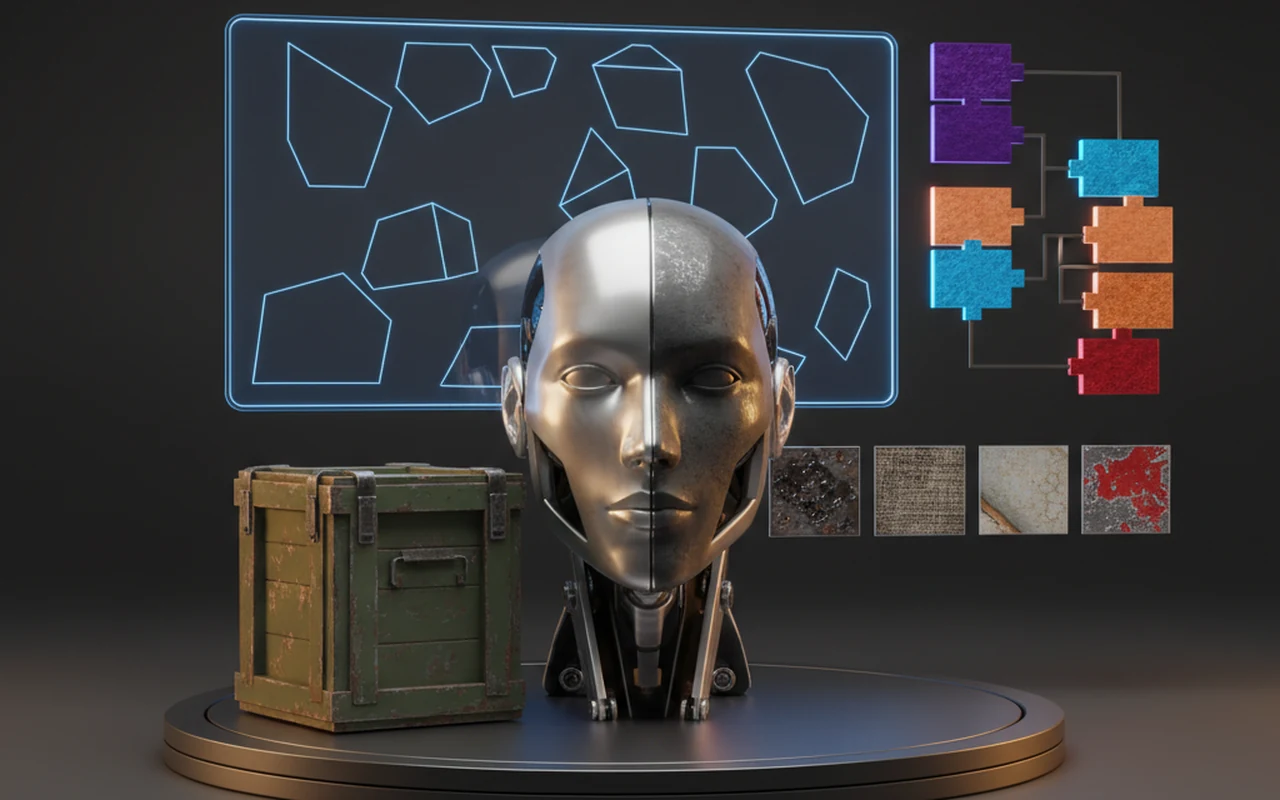
Preview surface ideas before final shader setup, then continue polishing the model, UVs, lighting, and render scene in your preferred DCC tool.
Unity and Unreal Assets

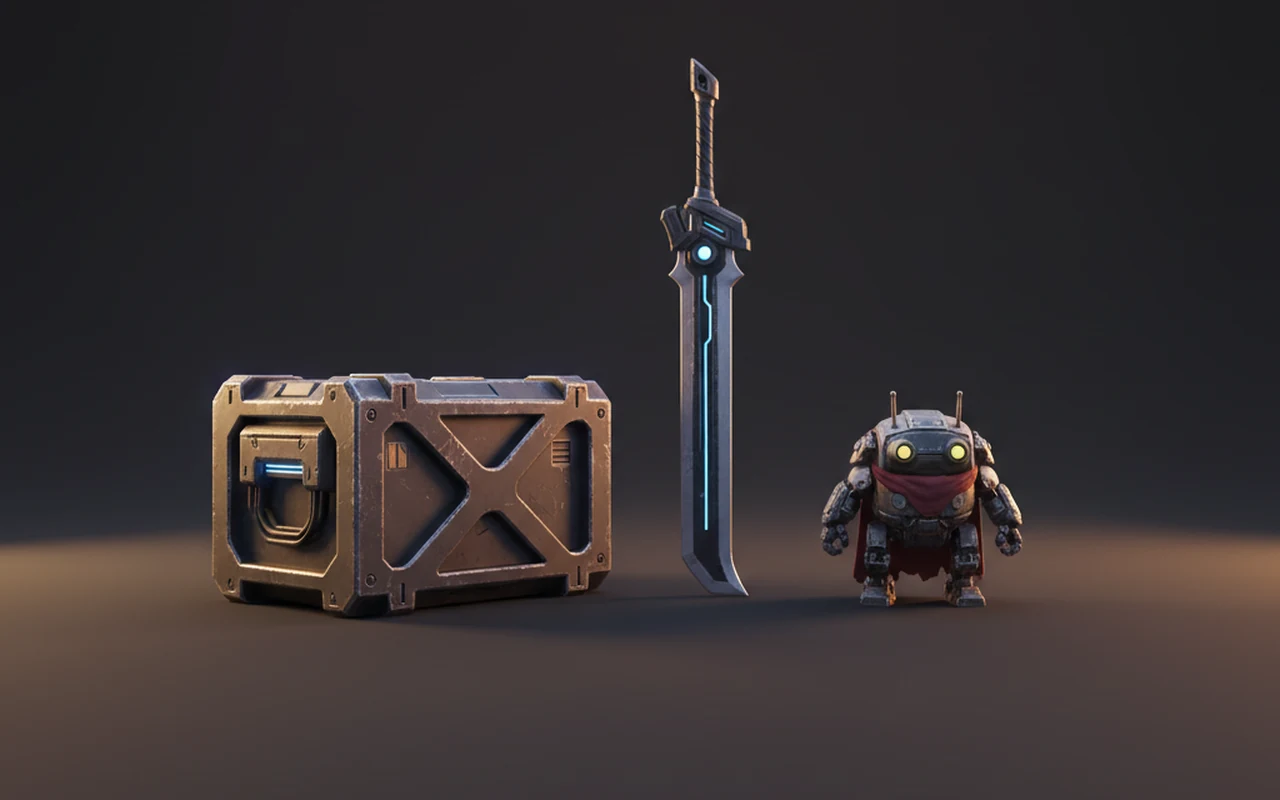
Prototype props, characters, environment pieces, and interactable objects with material directions suited for real-time lighting and game review.
Product Visualization

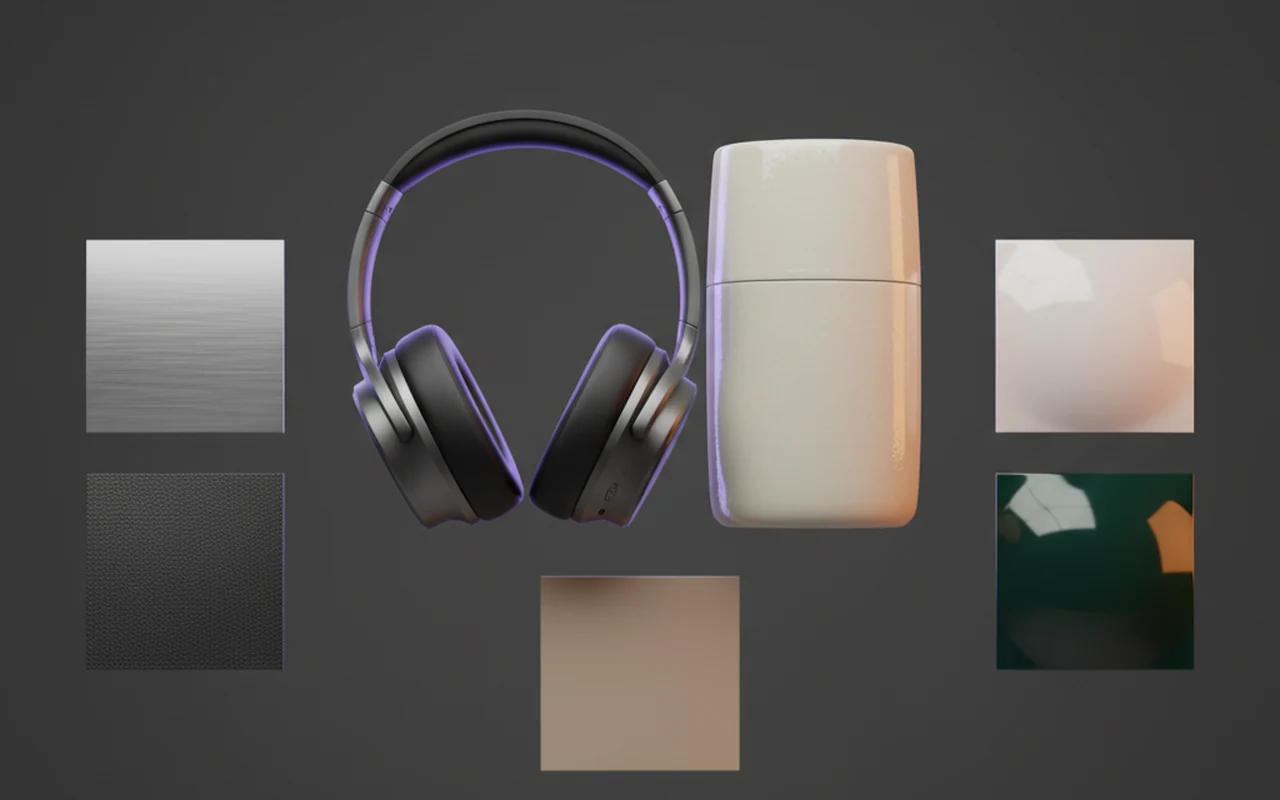
Compare finishes such as brushed metal, matte plastic, leather, paint, glass, fabric, or ceramic before creating final marketing or ecommerce renders.
AR, VR, and Web Preview

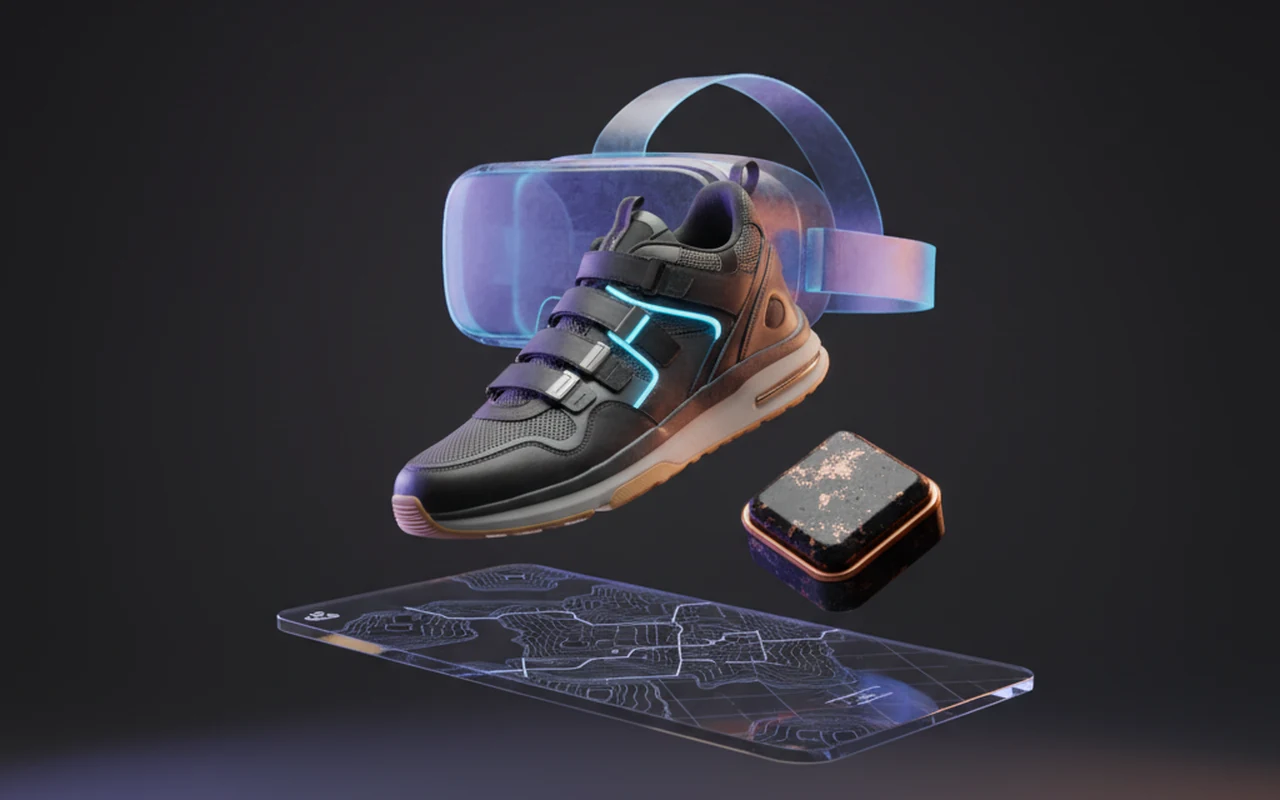
Explore readable materials for immersive or browser-based previews where clear surface detail and fast iteration are more important than hand-painting every pass.
AI Textures for Every 3D Workflow

Use Hyper3D texturing when speed, style exploration, and practical downstream assets matter.

Game Assets

Prototype prop, character, and environment materials for Unity, Unreal Engine, and real-time art direction.

Product Visualization

Explore finishes such as matte plastic, brushed metal, leather, ceramic, or painted variants for product concepts.

Stylized 3D Assets

Create hand-painted, cartoon, sci-fi, fantasy, or collectible looks without starting every texture from scratch.

XR

AR and VR

Generate clear material directions for immersive assets that need readable surfaces and quick iteration.

Frequently Asked Questions

Answers for creators and teams evaluating Hyper3D feature workflows.

What is Hyper3D's AI texture generator?

It is a browser-based workflow for creating texture directions for 3D assets from prompts or references. Instead of starting every surface from a blank material, artists and teams can describe the look they want, compare variations, and move from plain geometry to production-style material planning faster.

Can I create textures from both text and images?

Yes. You can describe the surface you want in natural language or use a visual reference to guide the material style, color, wear, pattern, and finish. Text is useful for precise material direction, while references help when you need to match a photo, concept frame, brand style, or physical material sample.

What kinds of materials can I generate?

You can explore realistic and stylized looks including metal, fabric, stone, wood, leather, ceramic, plastic, glass-like surfaces, painted finishes, fantasy props, sci-fi panels, creature surfaces, product colorways, and hand-painted game art. The strongest prompts usually combine a material, finish, age, palette, and target style.

Does Hyper3D support PBR-style texture workflows?

Yes. Hyper3D focuses on PBR-style material direction for real-time and rendering workflows, helping teams plan albedo, roughness, metallic response, and normal-detail-friendly surface treatments. This makes AI texture generation more useful for game engines, product viewers, AR, and render pipelines than a simple flat color pass.

Can I use the generated textures in Blender, Unity, or Unreal Engine?

Yes. Hyper3D texture workflows are designed for downstream 3D pipelines, including Blender, Maya-style DCC workflows, Unity, Unreal Engine, product viewers, AR, VR, and web preview experiences. The goal is to help teams decide on a useful surface direction before final shader polish, optimization, or engine-specific setup.

Do I need to be a UV or material expert?

No. Clear prompts and clean model inputs help, but the workflow is designed so creators can generate and iterate textures without hand-painting every map.

When should I use AI texturing in a 3D pipeline?

Use AI texturing after the base geometry is ready and before final export, rendering, or engine integration. It is especially useful during concept approval, asset prototyping, product finish exploration, and game art direction, when the team needs to compare several credible material options before committing to a final texture pass.

How can I write better prompts for AI textures?

Include the material type, finish, age, color palette, style, and use case. Strong examples include brushed aluminum with fine scratches and soft roughness, weathered bronze with green patina, clean glossy ceramic with subtle edge wear, or hand-painted fantasy leather with warm highlights and visible stitching.

What if my texture looks blurry or stretched?

Start by checking the source mesh, UV layout, model scale, and prompt clarity. Regenerate with a sharper material description, use a cleaner reference image, or improve the model before final texturing. If only small hero details look soft, split the asset or increase texture attention on the important material zone.

Why use Hyper3D instead of a generic image generator for textures?

Generic image generation can create attractive surface pictures, but 3D texturing needs material direction on an asset. Hyper3D is designed around connected 3D workflows: model generation, texture exploration, preview, and downstream preparation. That makes it more useful when the goal is an actual 3D asset rather than a standalone image.

Try Hyper3D's AI Texture Generator

Give your next 3D asset a stronger surface direction. Start with a prompt, a reference, or a model from your Hyper3D workflow.