AI Pixel Art generatore di modelli 3D

Give 3D models the retro game look: low-res textures, chunky silhouettes, limited palettes. Generate from a prompt or sprite, export GLB, OBJ, or FBX.

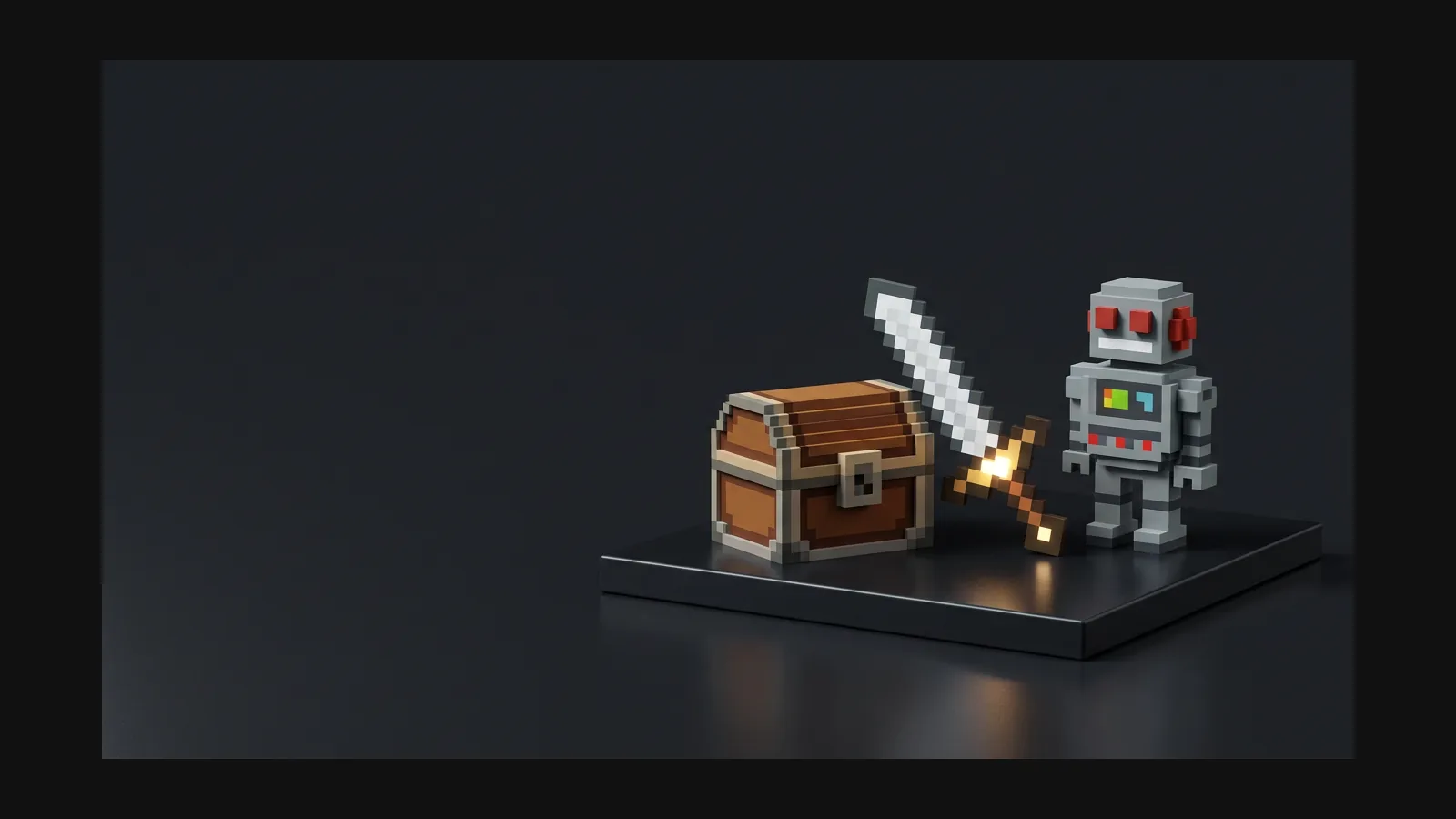
Pixel Art 3D model generator hero image

Cosa significa pixel art in 3D

Searchers mean two different things by it — and both are real workflows in Rodin. Pick your route before you write the first prompt.

Via 1 — Texture retrò su mesh reali

The PS1-demake look: a normal 3D mesh wearing a low-resolution, limited-palette texture. Prompt for 'pixelated texture, 16-color palette, dithered shading' and finish in-engine with point (nearest-neighbor) filtering so the pixels stay crisp instead of blurring.
Via 2 — Forme a blocchi, vicine al voxel

Pixels extruded into space: chunky geometry where every step reads like a screen pixel. Prompt 'built from square steps, pixel-art proportions' or go all the way cube with the dedicated [voxel style](/it/styles/voxel) — the two pages share tricks but target different silhouettes.

Cosa non c’è: un pulsante pixel

Rodin has no one-click retro filter, and we would rather tell you that than let a render surprise you. The look comes from three controls you own: the prompt, the reference image, and regenerating the texture until the palette and dither feel right — then your engine settings.

Ricette di prompt pixel art 3D

Anchor every prompt to an era or a sprite, cap the palette, and ask for the flaws on purpose — clean is the enemy of retro.

Diorama in stile PS1

Diorama in stile PS1

"retro potion shop interior, PS1-era 3D, low-resolution pixelated textures, 16-color palette, dithered shadows, chunky proportions" — the era anchor does the heavy lifting; keep it in every prompt of the set.

Sprite portato in 3D

Sprite portato in 3D

Upload your 2D item sprite as the image reference, then prompt: "the same sword as the sprite, 3D, faceted blade, flat pixel-style colors, no gradients". The mesh inherits the sprite's palette and attitude.

Demake di un soggetto moderno

Demake di un soggetto moderno

"1998 racing game car, pixelated livery texture, visible texture seams, low-res decals, boxy body, era-accurate jank" — deliberate imperfection sells the period. More era cues live on the [retro style page](/it/styles/retro).

Come creare modelli 3D in stile pixel art

Reference, generate, export — with the retro finish locked in by one engine setting at the end.

1

Parti da uno sprite o da un prompt d’epoca

A 2D sprite you already use in-game is the strongest reference: the generated mesh inherits its palette and proportions. No sprite? Anchor the prompt to an era — PS1, SNES-inspired, 1998 arcade.

Upload a sprite or write a retro prompt step
2

Genera, poi socchiudi gli occhi

The squint test: at thumbnail size, does it read like a screenshot from the era? If the texture came out too clean, regenerate it with harder palette and dither words — the mesh can stay.

AI generates the retro pixel-style 3D model step
3

Esporta e imposta il point filtering

Export [GLB](/it/tools/image-to-glb) or [FBX](/it/tools/image-to-fbx), then flip the one engine setting that makes or breaks the style: texture filtering to Point/Nearest in Unity, or 'Nearest' sampling in Godot and Unreal. Bilinear blur erases everything you just built.

Export retro 3D model with point filtering settings step

Scelto da creator che costruiscono asset 3D reali

I creator usano Hyper3D per trasformare reference e prompt Pixel Art in modelli 3D modificabili.

AI 3D just hit a new threshold. Rodin Gen-2.5: Geometry in ~4s, full model in ~5s, 10M+ polygons, clean structure, production-ready outputs. This is the moment AI 3D becomes an actual pipeline tool.

Sabir Hussain

Sabir Hussain

AI & Tech Enthusiast

Tested Rodin Gen-2.5 from Hyper 3D. Cleaner meshes, sharper surface detail, stronger multi-angle coherence. The results feel much closer to something you’d actually keep iterating on inside a real workflow.

BubbleBrain

BubbleBrain

AI Enthusiast

Rodin Gen 2.5 is a game-changer. 10M+ polygons, 3D-native textures, and seriously good results on complex high-poly models. Production-ready assets just got a lot closer.

Lagerskoy

Lagerskoy

Hunter & Builder

FAQ sul generatore di modelli 3D pixel art

Honest answers about textures, filtering, prerendered sprites, and where the style ships.

Is this real pixel art or a 3D imitation?

It is 3D wearing pixel art's clothes — and that is exactly what retro-style 3D games do. Your models are real meshes with real depth; the pixel-art read comes from low-res textures, capped palettes, and point filtering. If you want flat 2D sprites instead, a 3D generator is the wrong tool, and we would rather say so.

How do I get pixelated textures on my model?

Ask for them in the prompt — 'low-resolution pixelated texture, 16-color palette, visible dithering' — and regenerate the texture until it sits right; the AI texture generator can retexture the same mesh repeatedly. Then keep the pixels crisp in-engine with Point/Nearest filtering.

Pixel art 3D or voxel — which page should I be on?

If the pixels live in the texture — a normal-shaped model with a retro skin — stay here. If the pixels are the geometry — everything visibly built from cubes, MagicaVoxel-style — you want the voxel page. For faceted-but-smooth-textured economy, that is low poly.

Can I use these assets in a 2D game?

Yes — the classic prerender trick. Generate the 3D model once, render it from fixed angles, and export the shots as sprite frames: eight rotations of a character, or one angled view of every prop. Donkey Kong Country built an era on this. An isometric camera setup is the usual companion.

Which formats do retro-focused engines want?

The same as any modern engine: GLB for Godot and web, FBX for Unity and Unreal, OBJ for Blender touch-ups. The retro part is not the file format — it is the texture resolution, the palette, and your filtering settings.

Who actually ships games with this look?

A thriving corner of indie: PS1-horror, boomer shooters, cozy demakes, and game-jam entries where one person is the whole art department. That last case is where generation helps most — a jam weekend has no room for hand-painting twenty textures. See the game development workflow for batching an asset list.

Crea oggi il tuo asset 3D retrò

Prompt the era, cap the palette, set point filtering — and ship something that looks like 1998 and runs like 2026.