




Cathedral facade section
Gothic cathedral façade section, twin lancet windows beneath a rose window, crocketed pinnacles, weathered grey limestone, modular kit piece with flat side edges.
Rodin oferece alta fidelidade de referência, preservação precisa da silhueta e das proporções, e detalhes coerentes em todas as vistas.
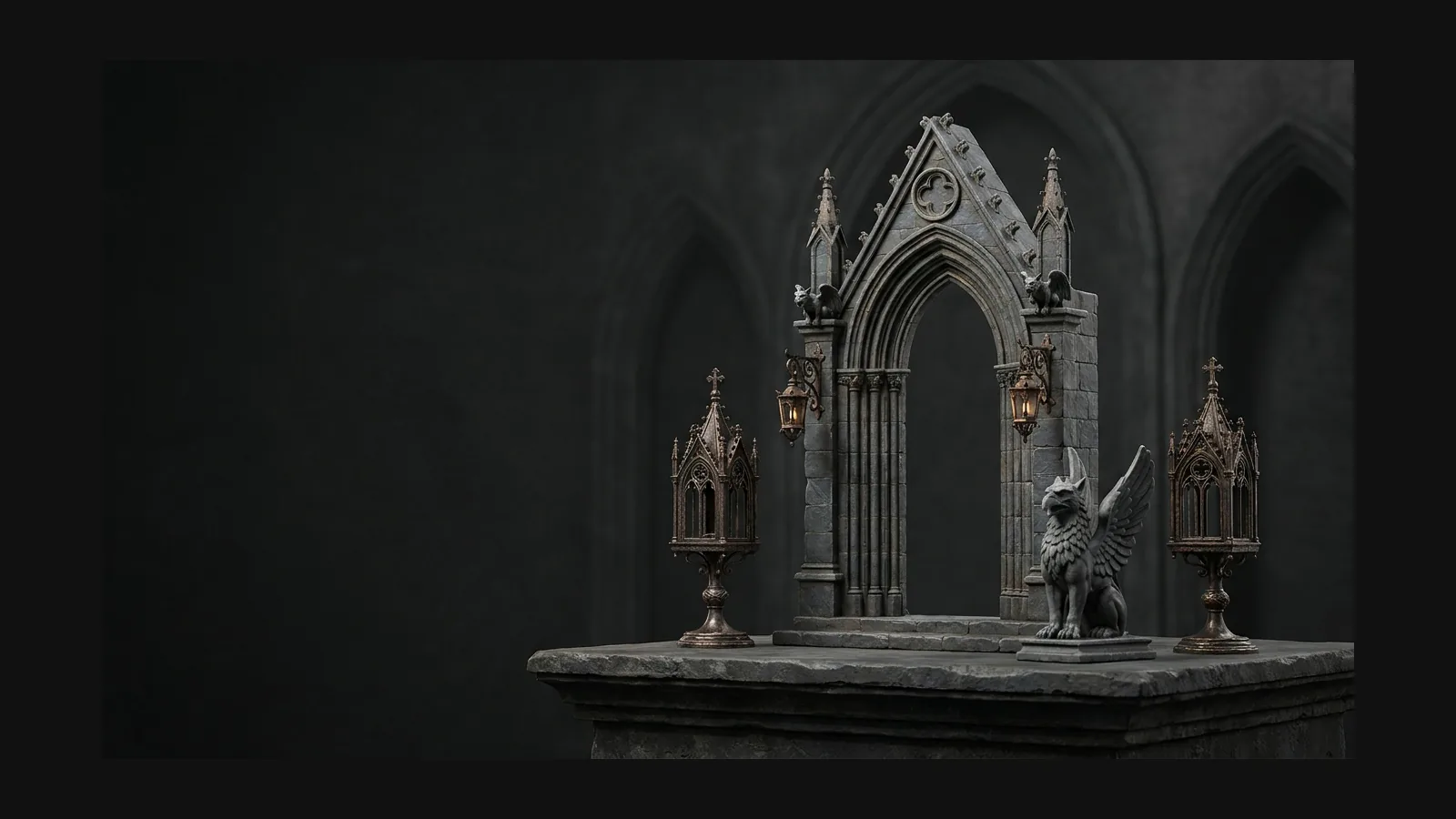


Medieval assets chase historical truth: plain oak, honest iron, daily life. Gothic assets chase vertical drama — pointed arches, black stone, candlelight — and stretch from 1140s cathedrals to modern dark-fantasy games. If you need a peasant's table, go medieval. If you need the cathedral looming over it, you're home.
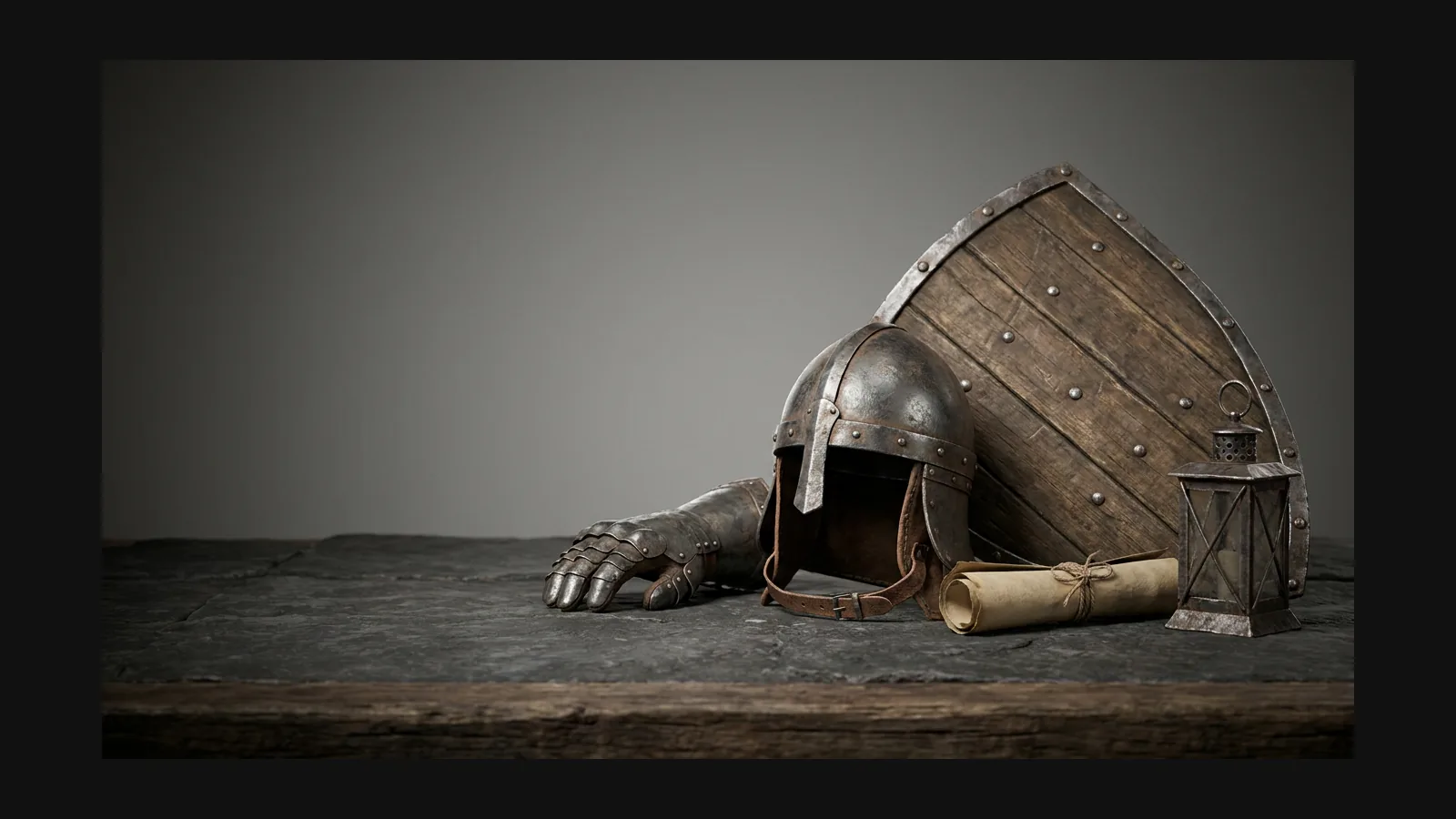
Rodin can generate detailed gothic architecture from a concise prompt; add terms such as pointed arches, ribbed vaults, rose windows, and pinnacles when you want more precise creative control.
Rodin captures pointed arches, ribbed vaults, and flying buttresses as high-fidelity Gothic forms.
Rodin can represent gothic tracery, quatrefoils, carved stonework, and stained-glass detail in geometry or materials according to the asset and intended output.
Rodin creates detailed organic sculptures and exports watertight STL models for high-quality resin-printing workflows.
Wrought-iron candelabra, raven-crested tombs, spiked fences, confession booths. The mood layer for horror and soulslike scenes — same architectural vocabulary, pushed past history into atmosphere.
Use precise architectural vocabulary—such as pointed arches, ribbed vaults, rose windows, and pinnacles—to guide Rodin toward detailed gothic geometry.
"Gothic archway" is vague; "lancet archway with crocket-trimmed gable and trefoil tracery" is a work order. Photos of real cathedrals — Reims, Cologne, Chartres — make strong reference inputs too.
Rodin generates high-quality Gothic forms with strong silhouettes and intricate architectural detail.
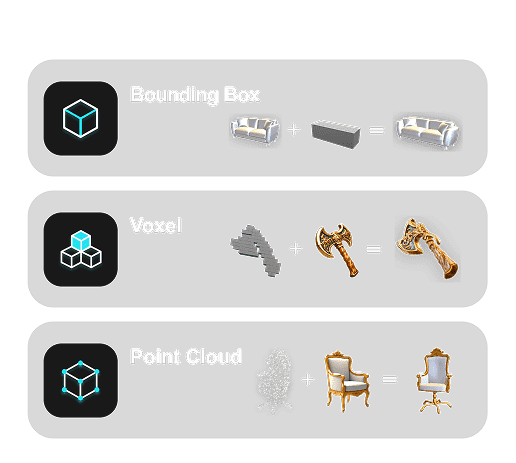
Rodin generates high-fidelity Gothic assets with clean topology and flexible export options.
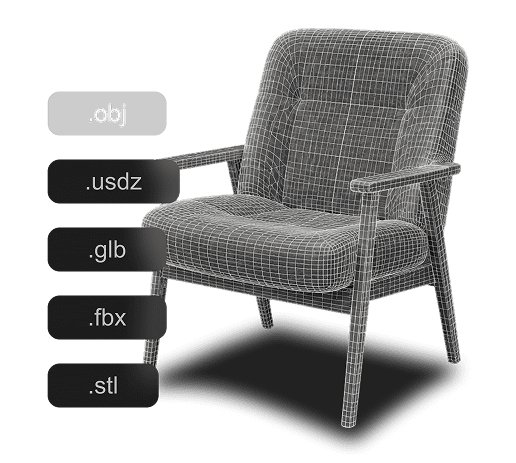
From facade to fence post. Paste, generate, then push each one darker or more historical as your scene demands.
Gothic cathedral façade section, twin lancet windows beneath a rose window, crocketed pinnacles, weathered grey limestone, modular kit piece with flat side edges.
Perched gothic gargoyle, folded bat wings, horned face, claws gripping a stone ledge, eroded limestone surface, bold silhouette, watertight 3D-printing-ready model.
Wrought-iron standing candelabrum, seven twisted arms, black wax drips, raven perched on the crown, gothic horror prop, rich PBR materials.
"Gothic graveyard fence segment, spearhead iron pickets, stone plinth with quatrefoil carving, rusted and leaning slightly, tileable ends, low poly game asset"
Gothic vs medieval, cathedral kitbashing, gargoyle printing, and staying clear of protected IP.