




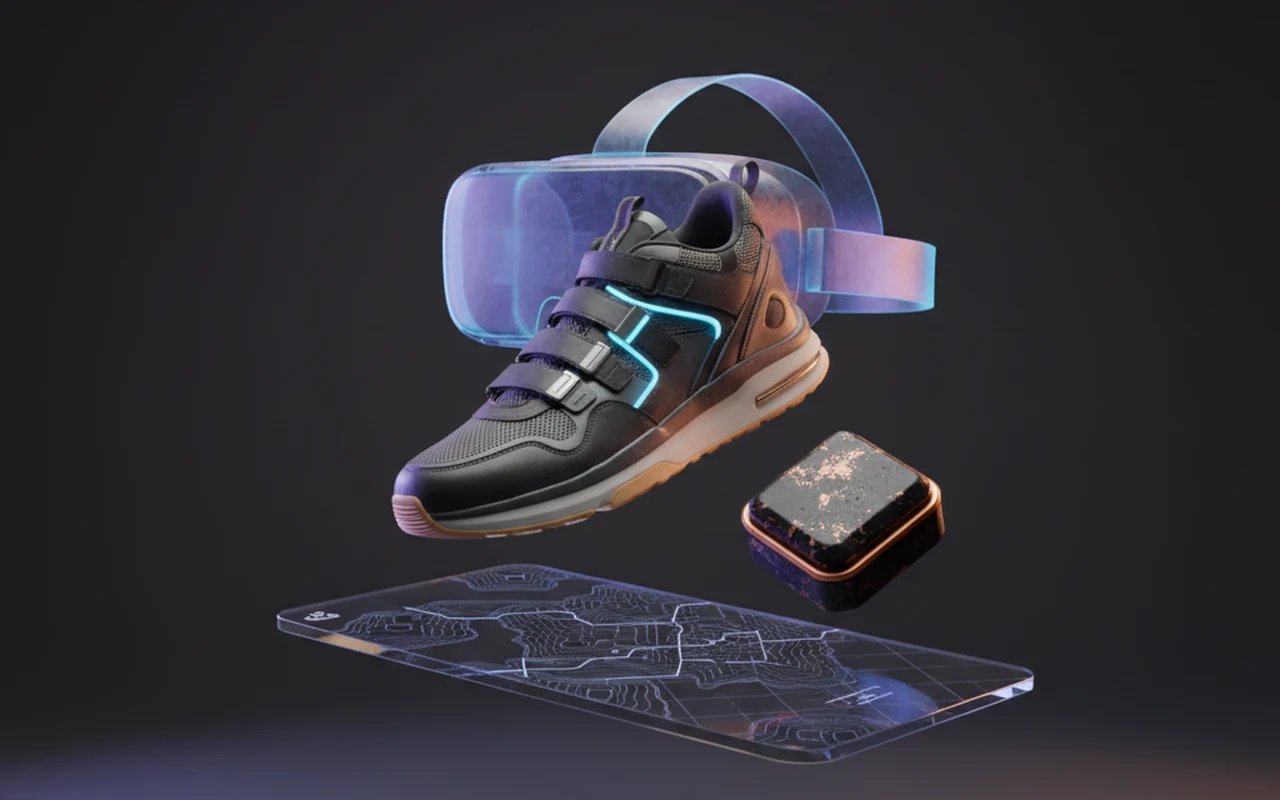
Modelos 3D para
AR e VR direto de uma foto
Transforme fotos de produto e concept art em assets 3D prontos para AR. Visualize no navegador e exporte USDZ para Quick Look ou GLB para WebXR, com texturas PBR.
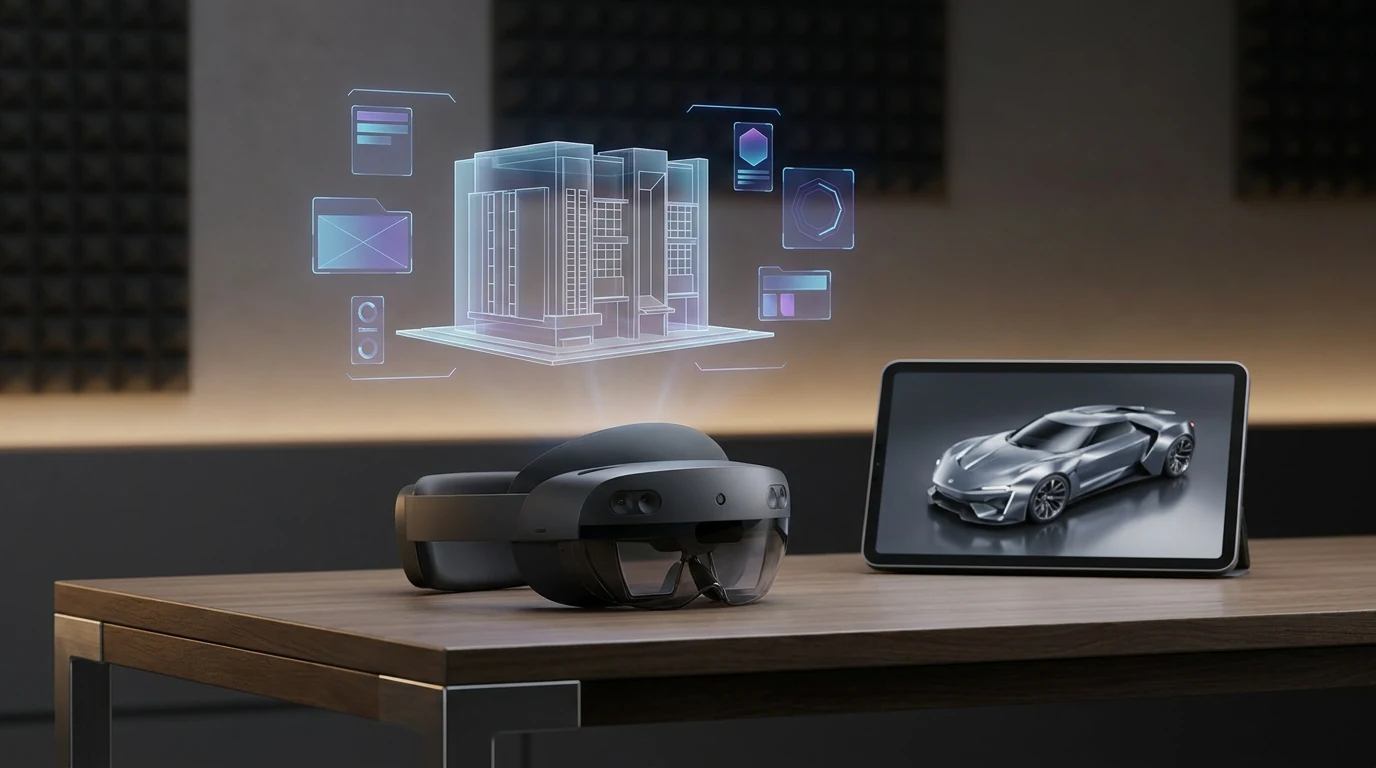
GLB para WebXR, USDZ para Quick Look
Generate once, then export a high-quality 3D asset in the format that fits each platform and runtime.
GLB, the web's 3D default
GLB, the web's 3D default
Create high-quality 3D assets for immersive experiences across Three.js, WebXR, and Android Scene Viewer.
USDZ for iPhone and Vision Pro
USDZ for iPhone and Vision Pro
Safari opens USDZ natively in AR Quick Look — nothing to install between your customer and the product sitting on their table.
FBX and OBJ for engines
FBX and OBJ for engines
Rodin can generate optional LODs at creation time and export assets in widely used formats for Unity and Unreal workflows.
Convert without leaving the browser
Convert without leaving the browser
Mesh stuck in the wrong container? The free converter swaps between OBJ, FBX, GLB, STL, and USDZ in seconds.
Como criar modelos 3D para AR e VR
Three steps from reference to headset. No DCC seat required — the browser does the heavy lifting.
- Step 1 — Capture
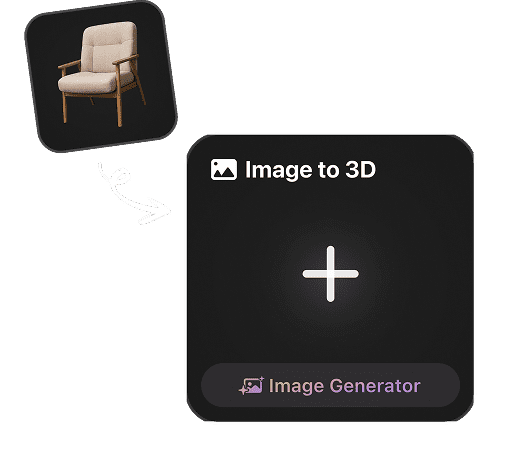
Start from a photo or a prompt
One image is enough for Rodin to generate most objects. Optional additional views can provide more visual detail when you want extra control.
- Stage 2 — Optional Polish
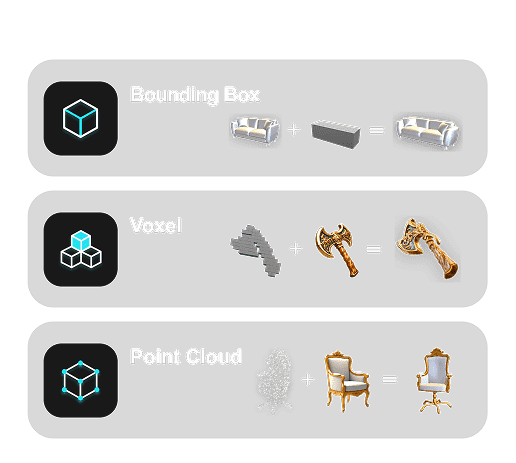
Optimize for VR and AR
Preview the high-quality textured mesh in the browser, choose the target polygon count, and optionally generate LODs for supported VR and AR workflows.
- Step 3 — Export
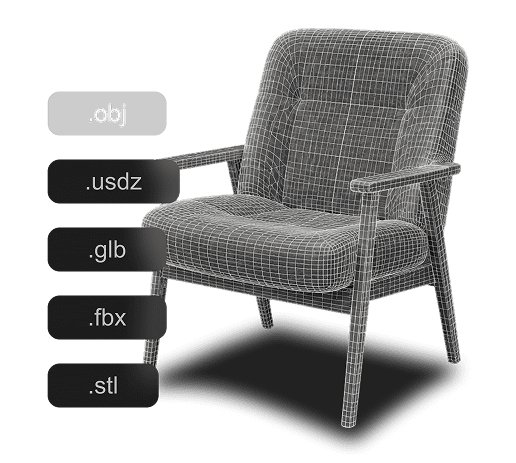
Export GLB for web, USDZ for Quick Look
Download GLB for WebXR and Android Scene Viewer, USDZ for iOS and visionOS, or FBX and OBJ when the asset is headed into Unity or Unreal.
O verdadeiro diretor de arte é o frame rate
Headsets don't grade your sculpt; they grade your budget. Here's how generated assets survive it. A model that looks great on a turntable can still sink a scene.
Construa a cena, não só o objeto
VR sells presence, and presence is mostly environment. The same account generates what surrounds the model.
A night sky from one sentence 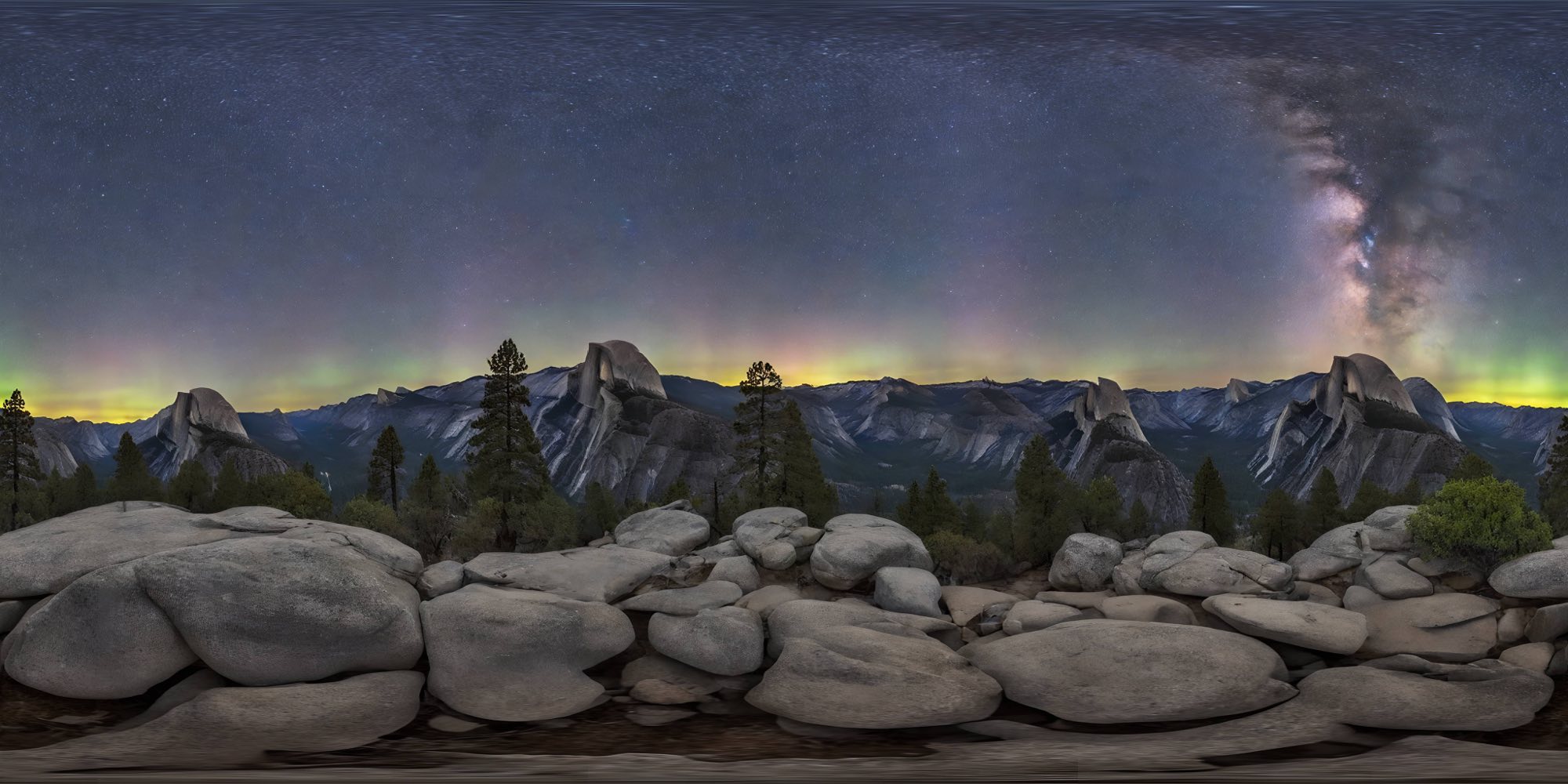
A night sky from one sentence
Prompt the AI HDRI generator for 360° skybox panoramas with a depth pass — light and wrap your scene without a location shoot.
Surfaces that hold up close 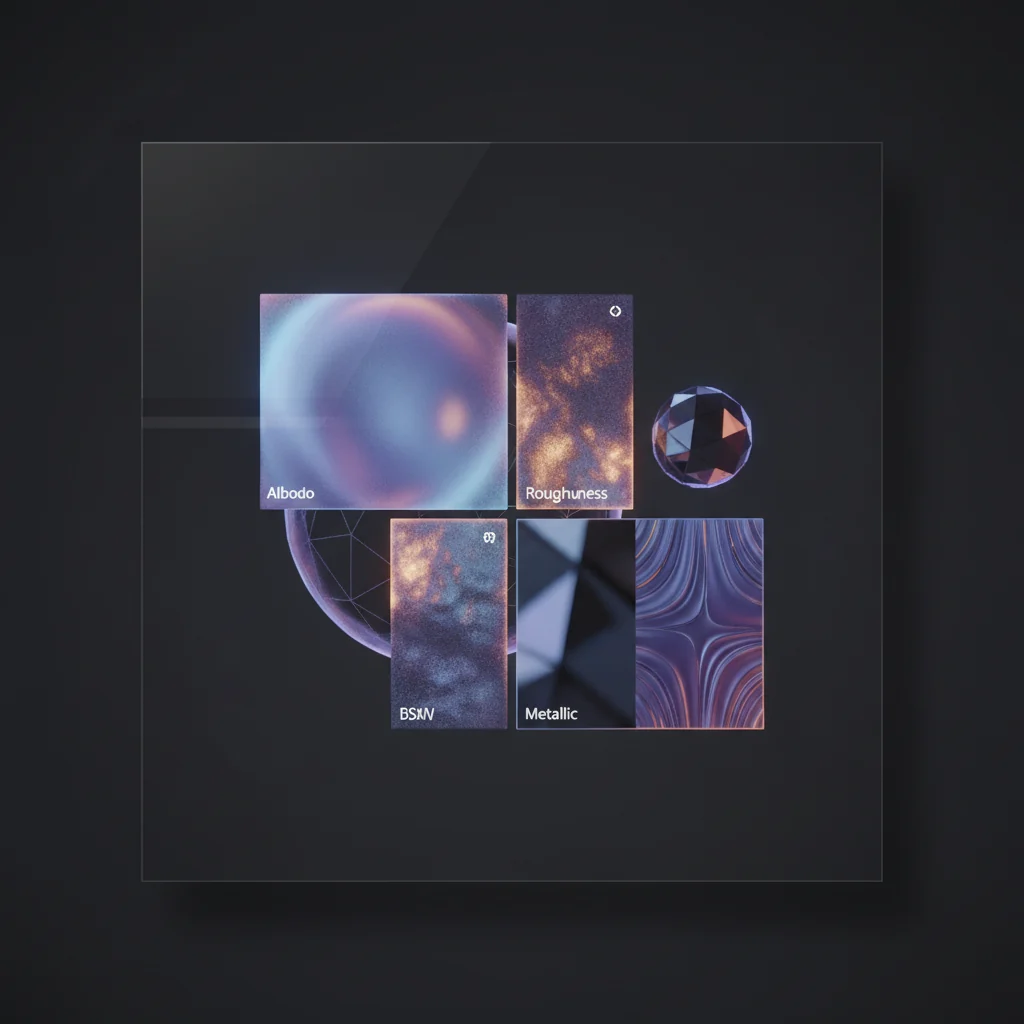
Surfaces that hold up close
OmniCraft AI Texture Generator creates high-quality PBR textures at resolutions up to 12K.
Clean Topology, Optional Creative Editing 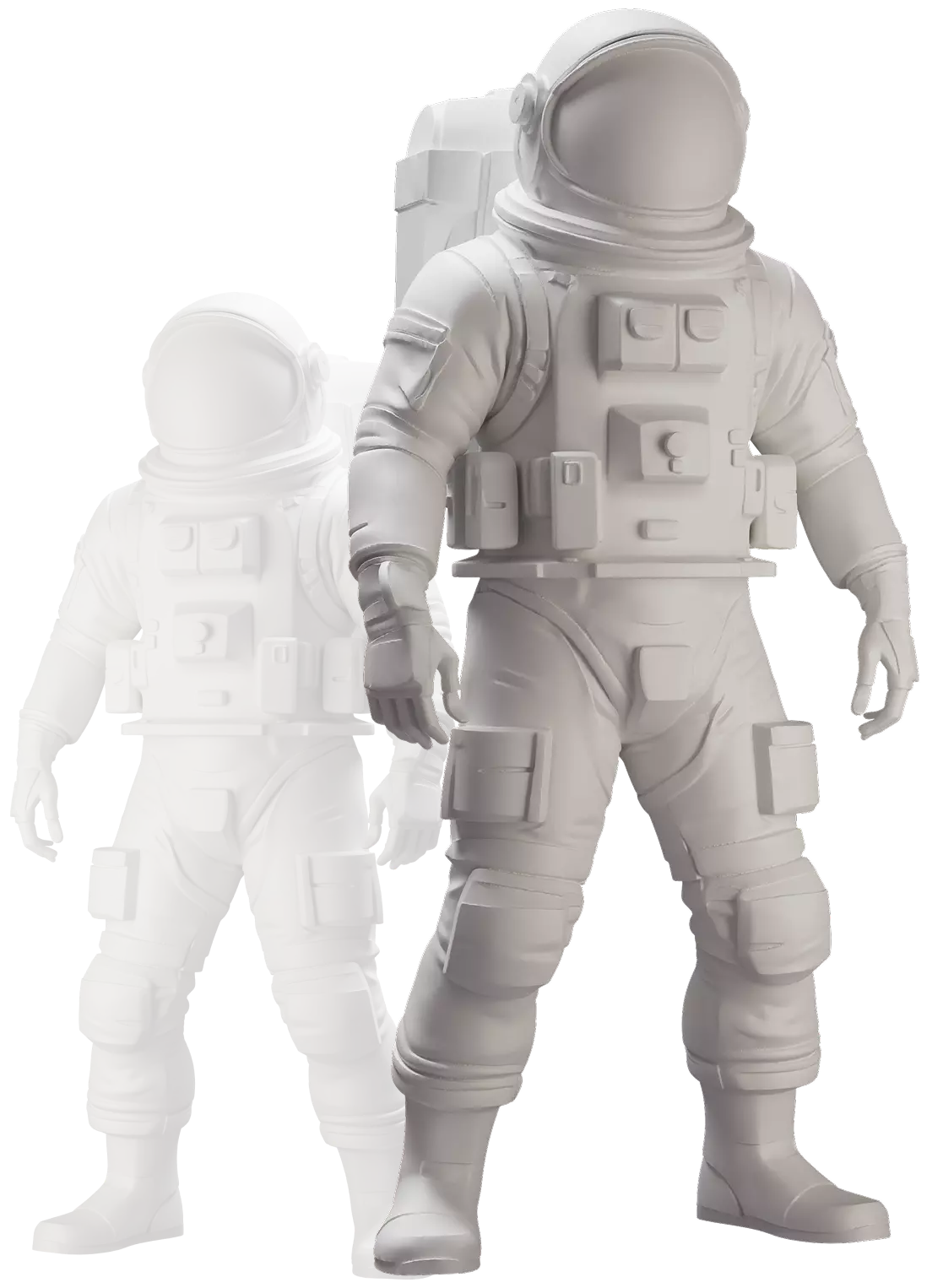
Clean Topology, Optional Creative Editing
Rodin generates clean-topology assets for high-quality VR and AR workflows; OmniCraft offers optional sculpting and remeshing for additional creative control.


Perguntas e respostas sobre assets de AR/VR
What practitioners ask before shipping AI-generated 3D models to phones and headsets.