






Da imagem estática à malha pronta para aparelhamento
Quatro etapas, três delas em uma guia do navegador. O Hyper3D faz a modelagem e a texturização; Você mantém as chamadas criativas.
1
Ativos 3D quase prontos para uso
Dê a Rodin uma reviravolta em T-Pose, um esboço de adereços ou um prompt de texto para criar um personagem texturizado de alta qualidade ou ativo de prop.
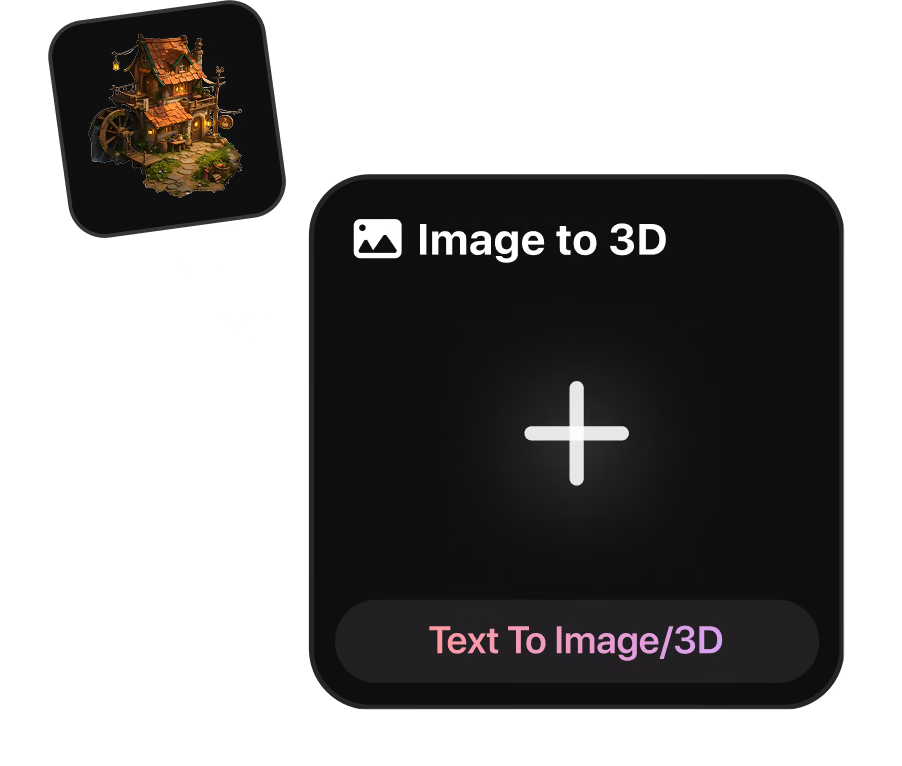
2
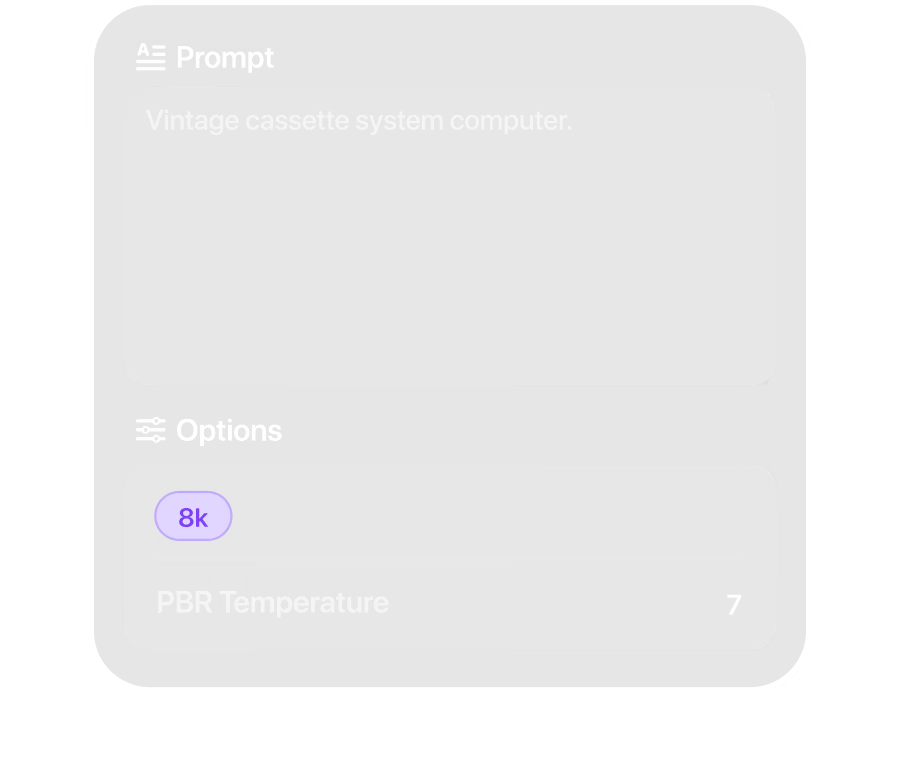
Materiais PBR completos
Rodin gera ativos 3D quase prontos para produção a partir de texto ou imagens com topologia limpa e materiais PBR.
3
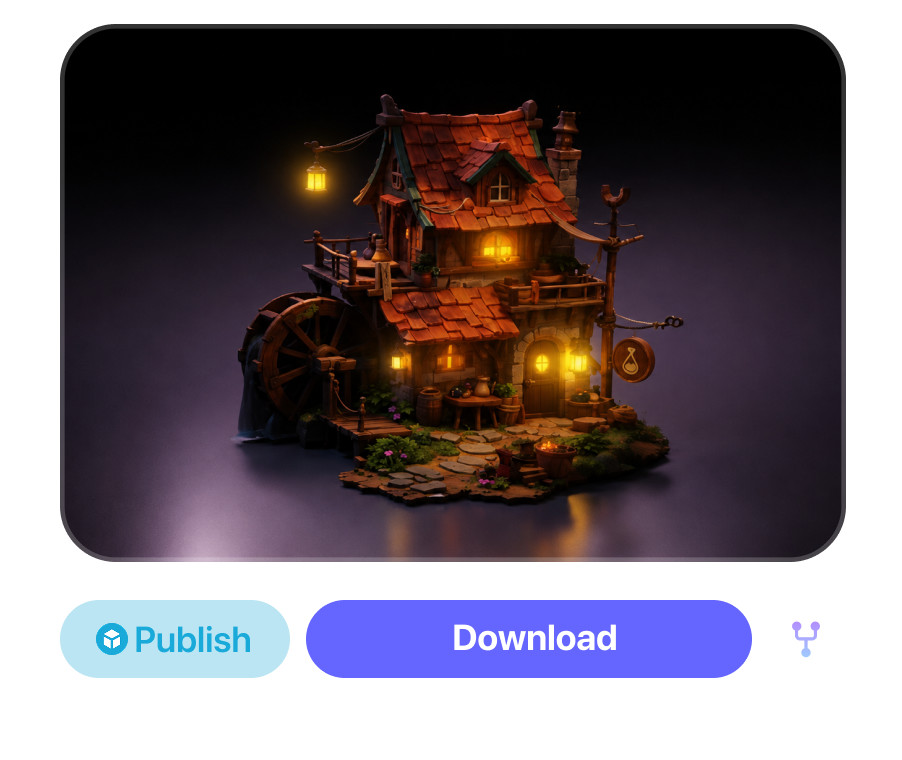
Exportação FBX ou GLB de alta qualidade
A Rodin exporta ativos 3D prontos para uso com topologia limpa e mapas PBR em todos os formatos padrão.
Modelos 3D com IA para animação: personagens, props e cenário
Nem todos os ativos em uma foto merecem a mesma semana de tempo de modelagem. Gaste o seu no herói; Gere o resto.
Ativos de personagem quase prontos para uso
Ativos de personagem quase prontos para uso
Rodin transforma arte conceitual em ativos de personagens de alta qualidade com topologia limpa e materiais PBR, quase prontos para uso.
Adereços que o equipamento toca
Adereços que o equipamento toca
Espadas, canecas, volantes: qualquer coisa que uma mão prenda precisar de uma escala correta mais do que um fluxo de borda perfeito. O Image-to-3D obtém um suporte compreensível no layout no mesmo dia.
Coloque o vestir a granel
Coloque o vestir a granel
Rodin gera adereços em segundo plano e permite aos usuários definir uma contagem de polígonos de destino ou escolher a geração LOD para se adequar aos orçamentos de cena.
Ambientes e fundos
Ambientes e fundos
Gere terreno, céu e cenários completos a partir de prompts de texto simples, permitindo que você enquadre cenas inteiras com profundidade e escala cinematográficas em minutos.
Inspeção de malha opcional e edição criativa com OmniCraft
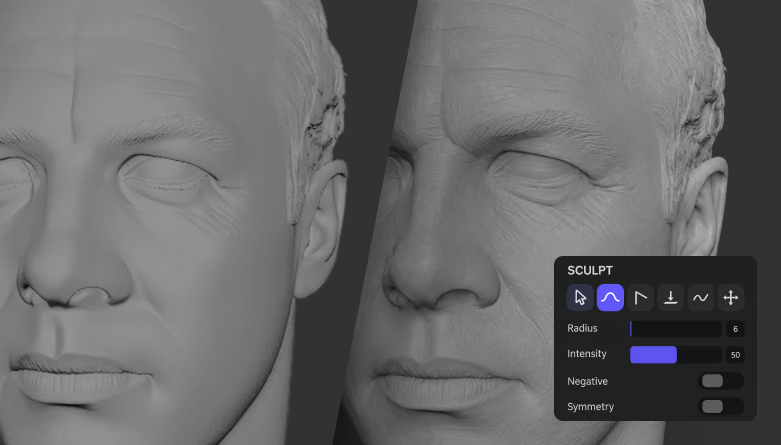
O Omnicraft Mesh Editor fornece controles opcionais baseados em navegador e controles de edição de malha criativa para ativos 3D compatíveis.
Perguntas sobre fluxos de trabalho 3D com IA, respondidas com clareza
Respostas práticas a perguntas comuns sobre o uso de ativos 3D gerados por IA de alta qualidade na produção criativa.