




Select A-Pose or T-Pose
Rodin generation is pose-free, and you can select the target pose in Rodin's generation parameters, including A-pose and T-pose options.
Rodin gera recursos 3D quase prontos para produção a partir de texto ou imagens, com topologia limpa e materiais PBR.
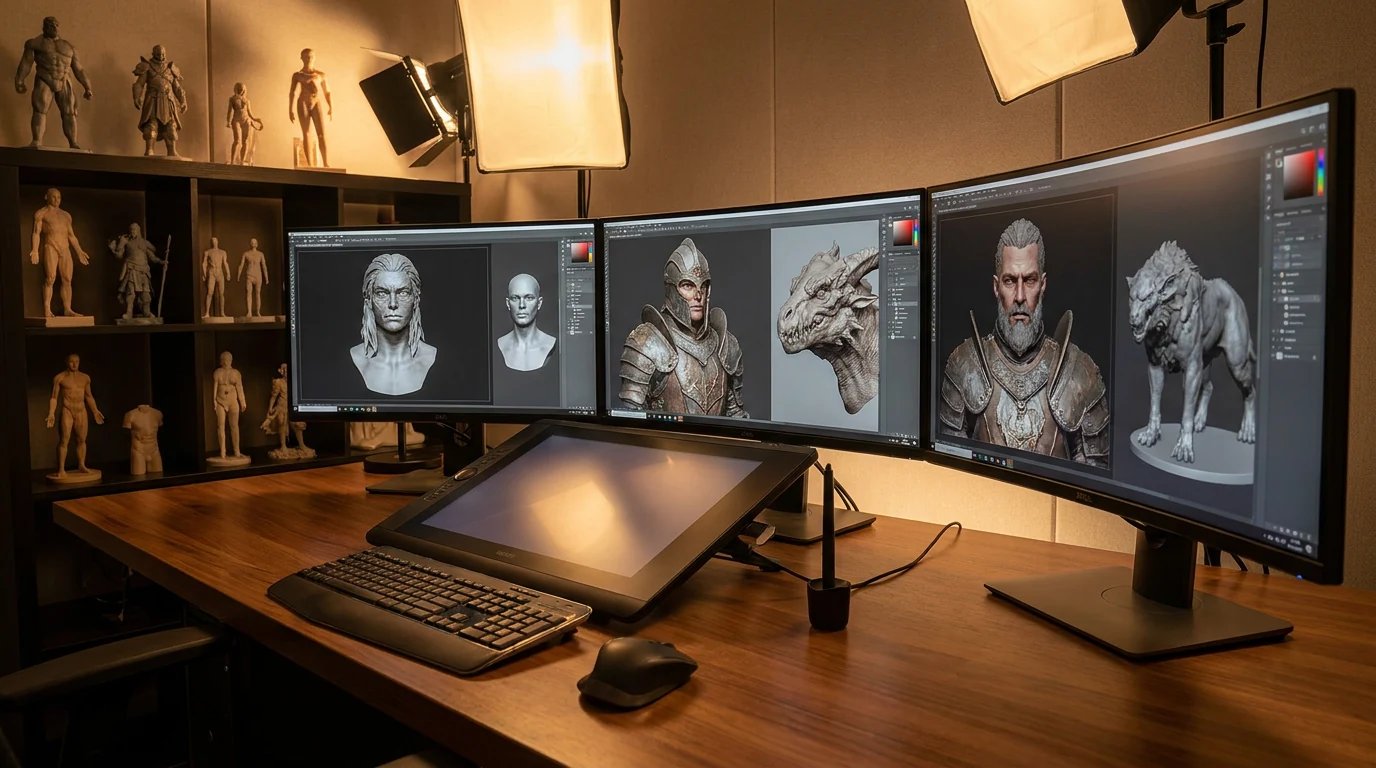
The blockout week, compressed to a coffee break. Most character pipelines stall in the same place: the concept is approved, then someone spends days blocking out a base mesh before anyone can judge proportions in 3D.
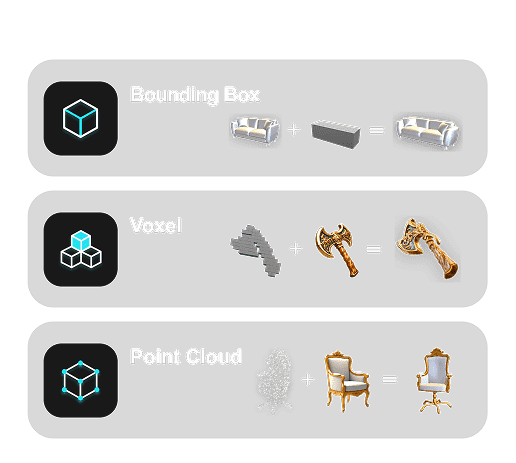
Four steps, no sculpting package required — start from art you already have.
Rodin generation is pose-free, and you can select the target pose in Rodin's generation parameters, including A-pose and T-pose options.
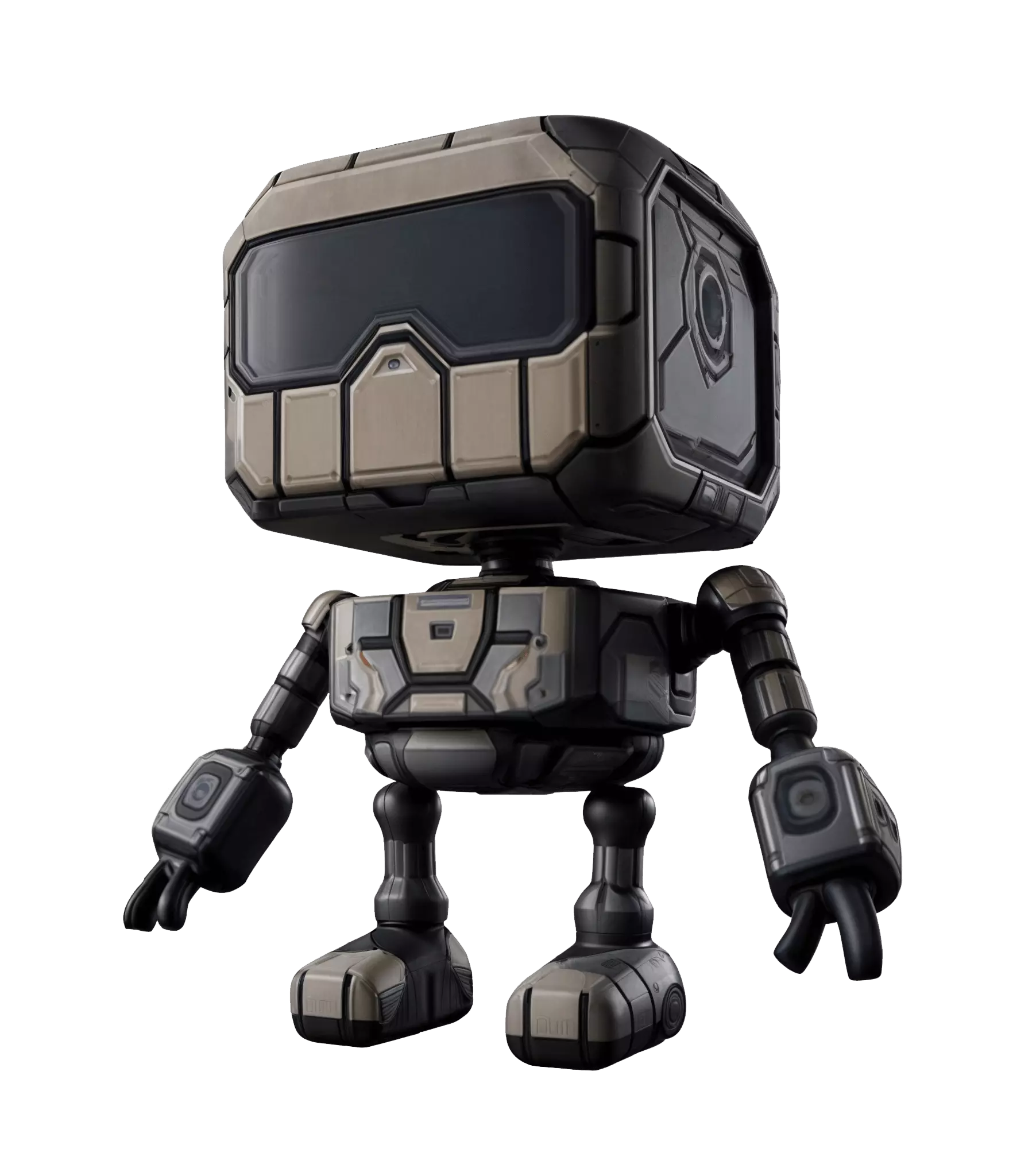
Rodin generates textured 3D character assets, including the body, clothing, and props, that are nearly ready to use.
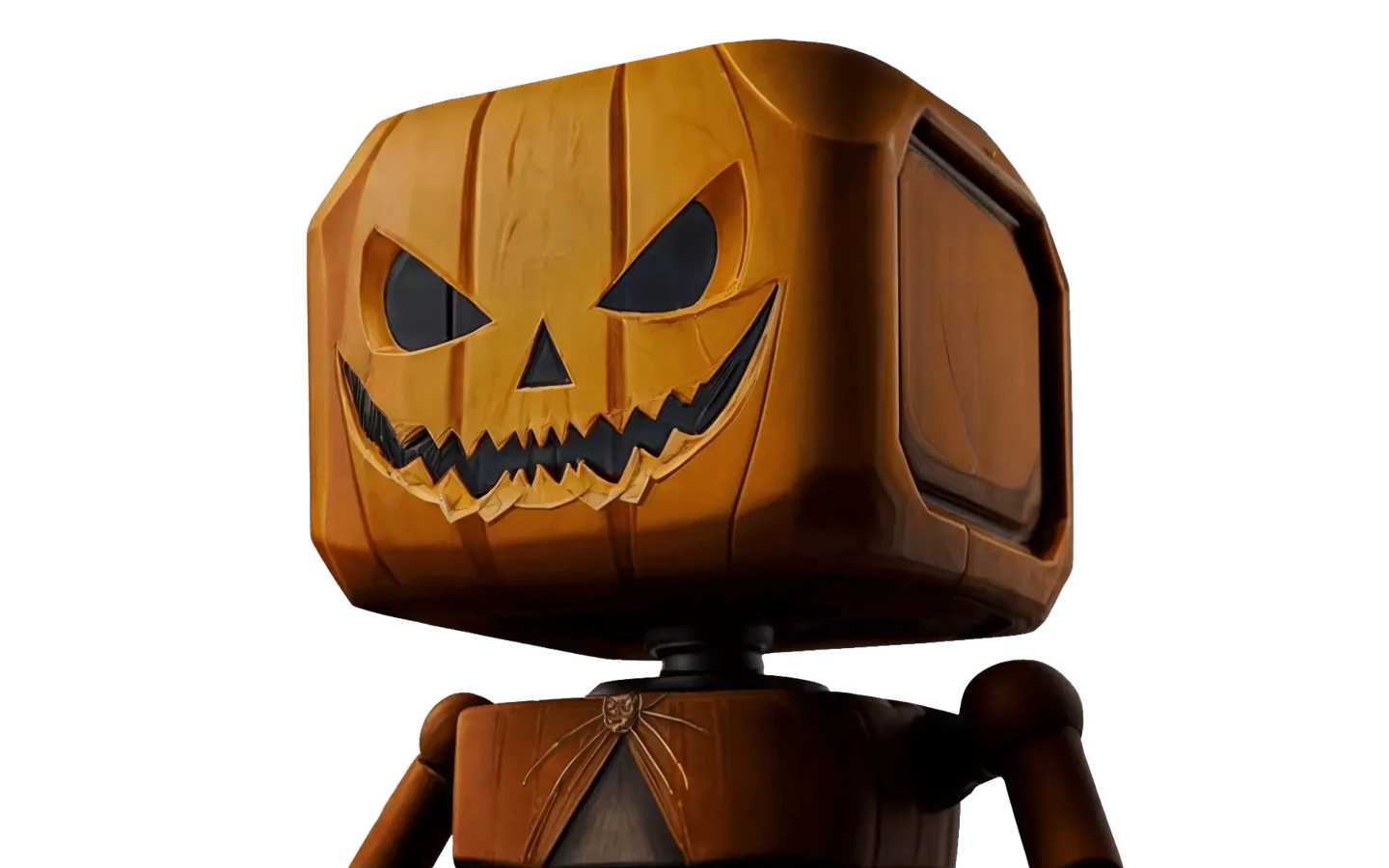
Generate base color, normal, and metallic-roughness maps that stay true to the concept's palette, then export GLB, FBX, OBJ, USDZ, or STL for your pipeline.
The generator mirrors the input art instead of forcing a house style — a chibi mascot stays chibi, a gritty soldier stays gritty.
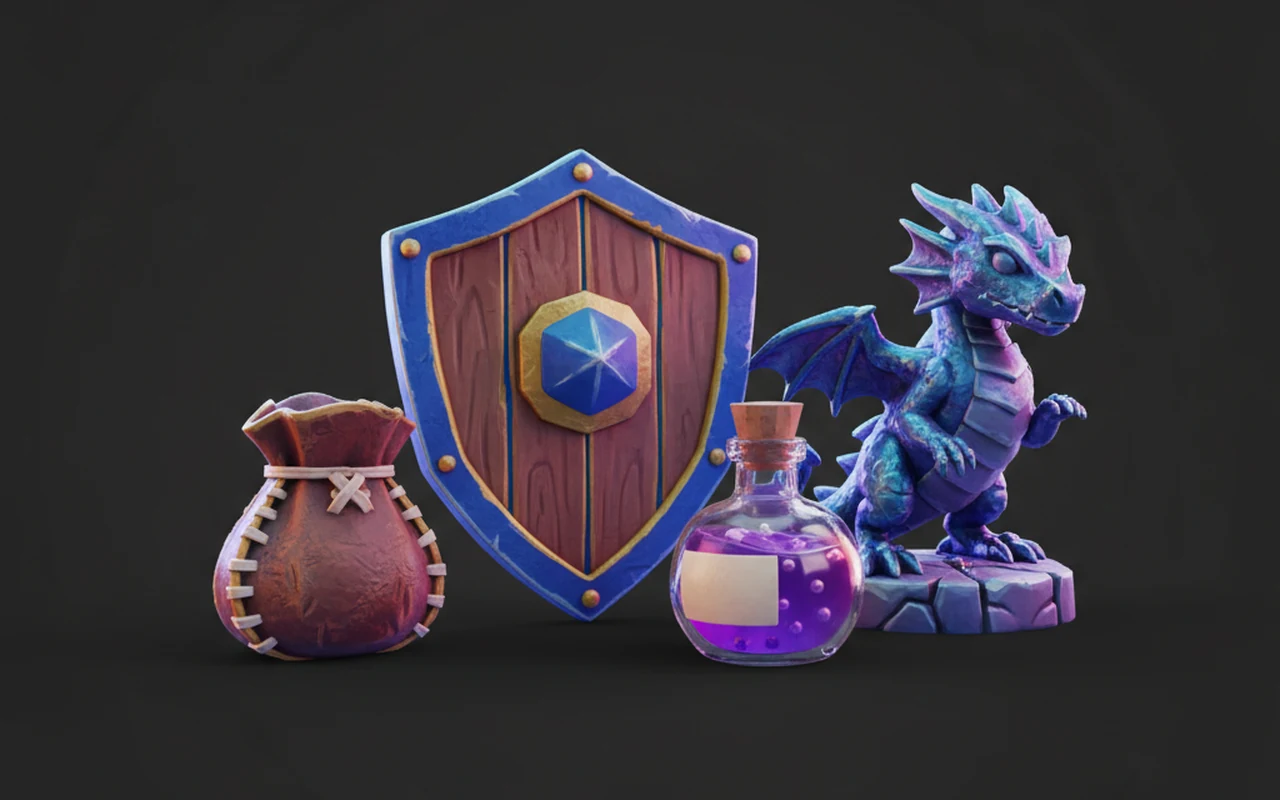
Rodin generates nearly production-ready 3D assets from text or images with clean topology and PBR materials.
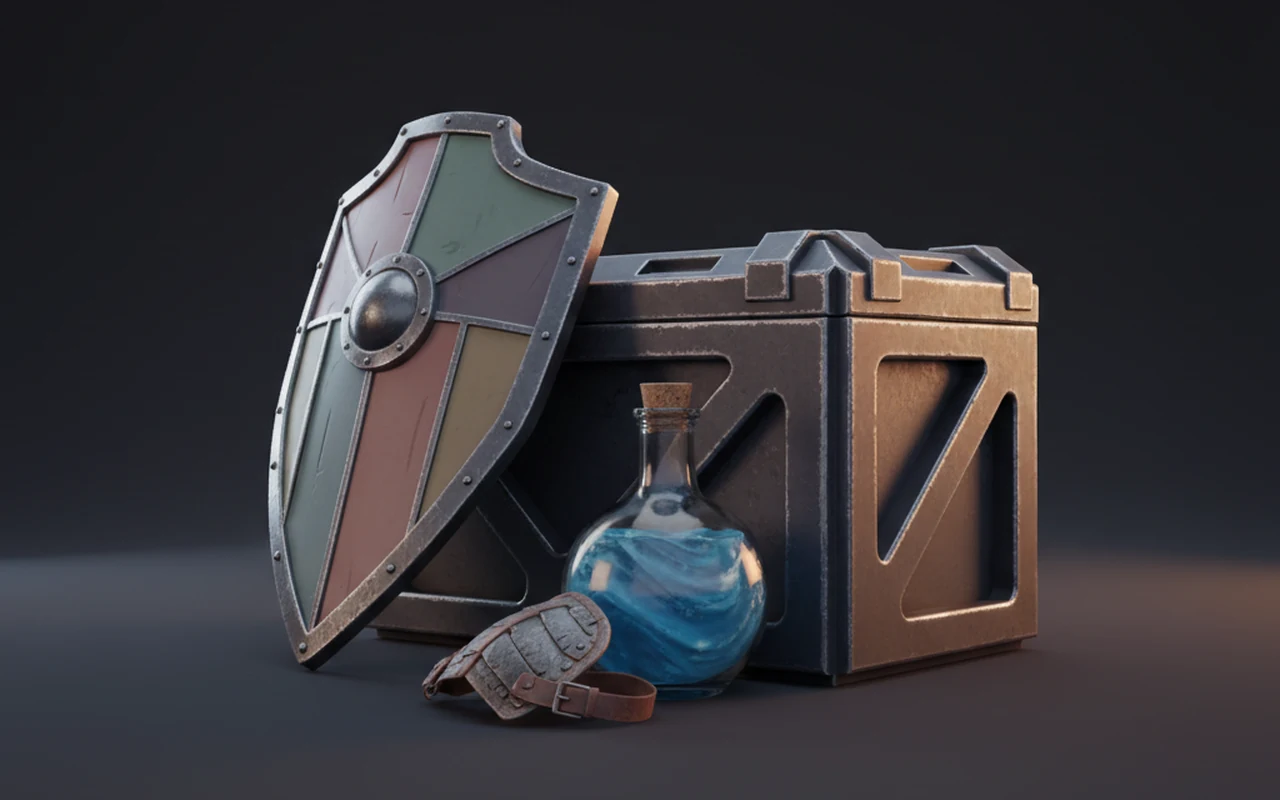
Rodin generates nearly production-ready 3D assets from text or images with clean topology and PBR materials.
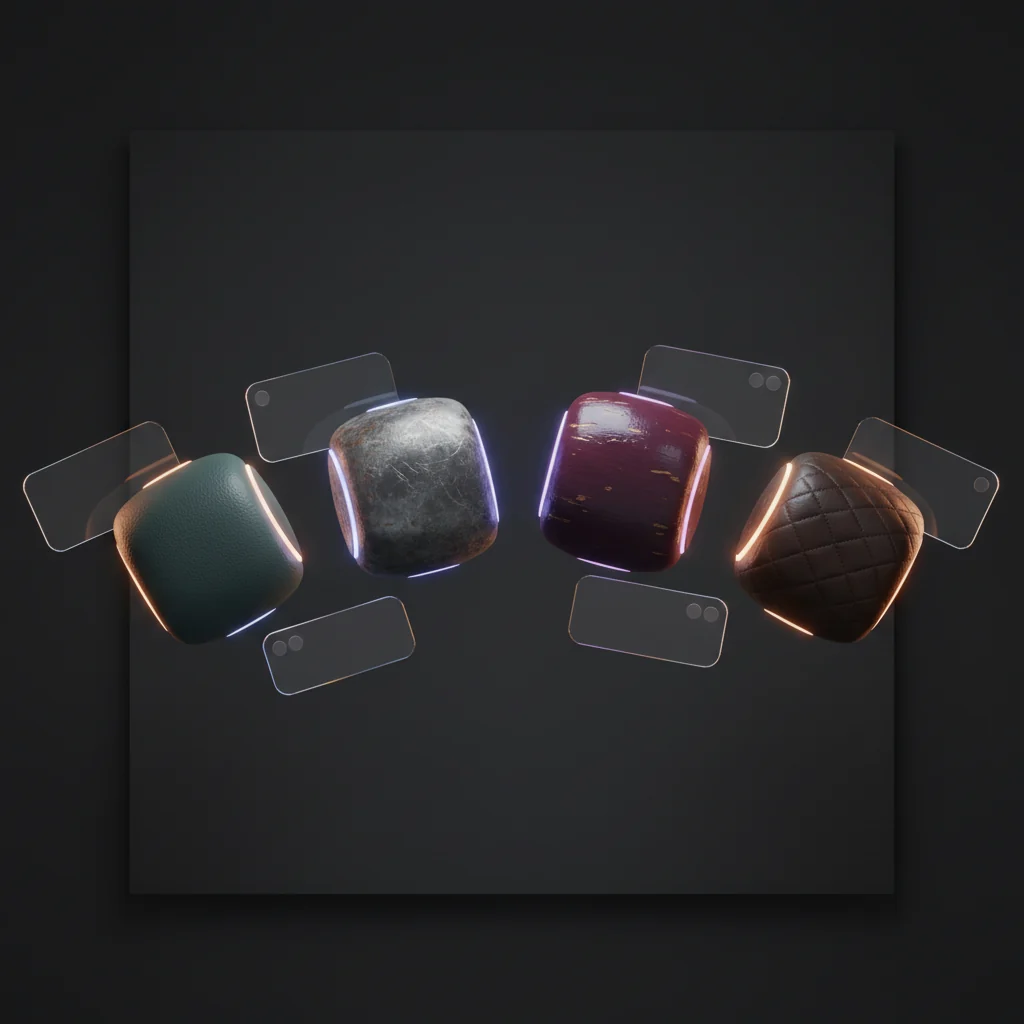
Keep the mesh, swap the outfit: the AI texture generator repaints an existing character for seasonal variants and palette tests.
Sim Ready is available now for movable, simulation-ready assets with real-world scale and physical properties.
Rodin generation is pose-free, and you can select the target pose in Rodin's generation parameters, including A-pose and T-pose options.
Rodin generates high-quality character assets with faithful silhouettes and clean topology.
Rodin generates clean topology across supported workflows. OmniCraft separately provides optional retopology, voxel remeshing, decimation, and smoothing controls for creative changes or destination-specific optimization.
Rodin-generated assets include a complete PBR texture set: Base Color, Normal, Metallic, Roughness, Ambient Occlusion, Opacity, Emissive, and Height.


Straight answers on poses, topology, texturing, and exports for AI-generated characters.