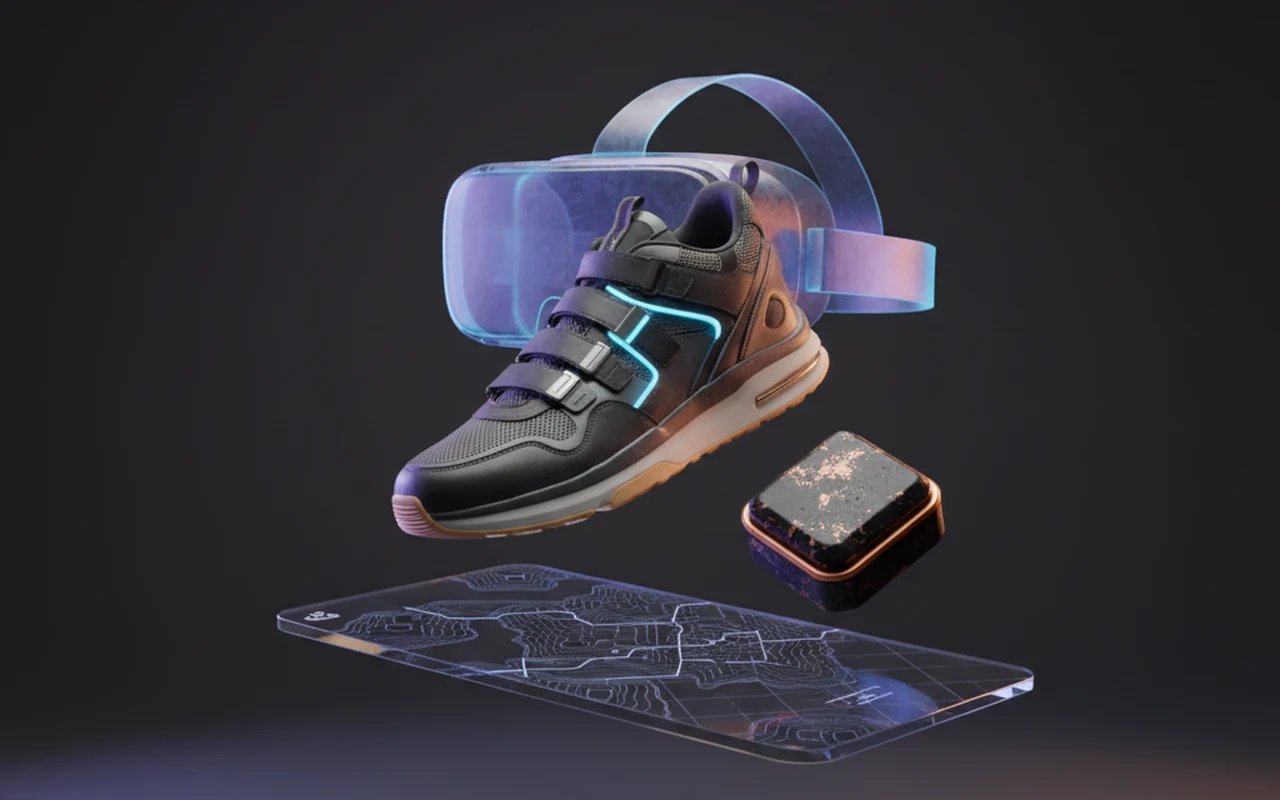
3D Models for
AR and VR, Straight from a Photo

Turn product shots and concept art into AR-ready 3D assets. Preview in the browser, then export USDZ for Quick Look or GLB for WebXR — PBR textures included.
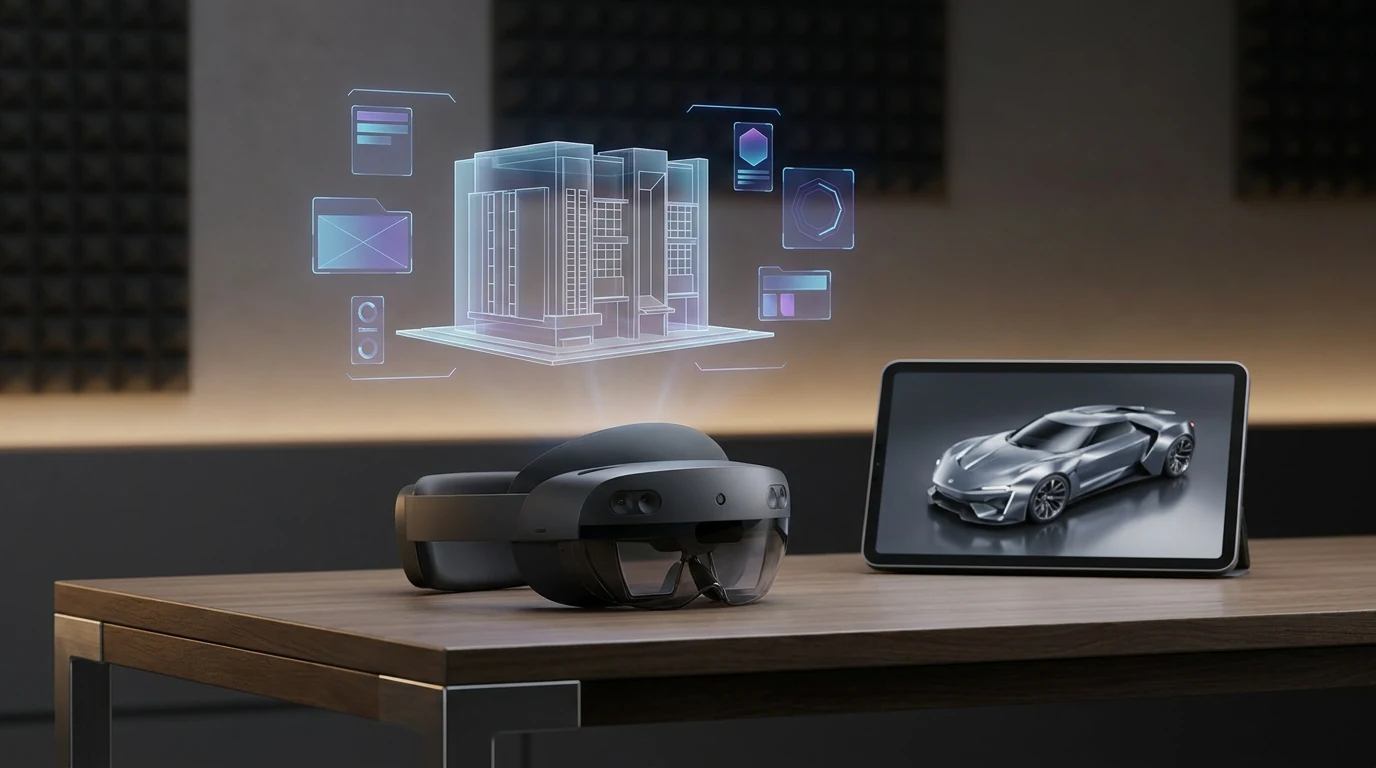
AR-ready 3D model generated by AI, exported as GLB and USDZ for AR/VR scenes

GLB for WebXR, USDZ for Quick Look

Every runtime has a house format. Generate once, then hand each platform the file it actually parses — mesh, scale, and PBR maps intact.

GLB, the web's 3D default

GLB, the web's 3D default

One binary with mesh, PBR maps, and scale baked in. Drop it into Three.js, a WebXR scene, or Android Scene Viewer and it just loads.

USDZ for iPhone and Vision Pro

USDZ for iPhone and Vision Pro

Safari opens USDZ natively in AR Quick Look — nothing to install between your customer and the product sitting on their table.

FBX and OBJ for engines

FBX and OBJ for engines

Feeding Unity or Unreal? Take FBX or OBJ into your import pipeline, then add colliders, LODs, and lightmap UVs in-engine.

Convert without leaving the browser

Convert without leaving the browser

Mesh stuck in the wrong container? The free converter swaps between OBJ, FBX, GLB, STL, and USDZ in seconds.

How to make 3D models for AR and VR

Three steps from reference to headset. No DCC seat required — the browser does the heavy lifting.

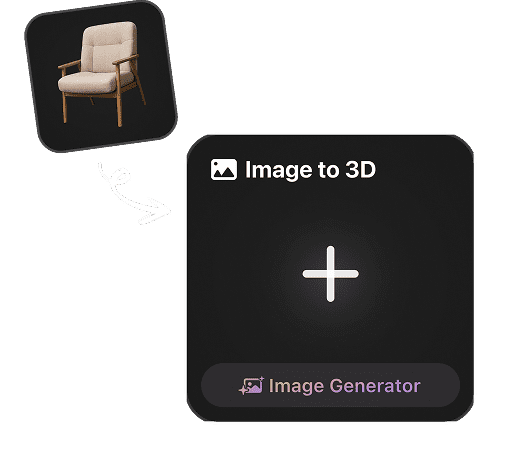
  1. Step 1 — Capture
    Uploading a product photo to generate an AR-ready 3D model

    Start from a photo or a prompt

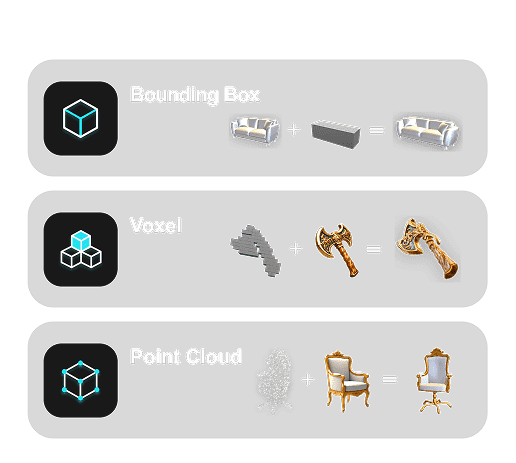
    Feed Rodin product shots, concept art, or a text prompt. Multi-image input helps it get the back of the object right, not just the side you photographed.

    image-to-3D · text-to-3D · multi-image
  2. Step 2 — Optimize
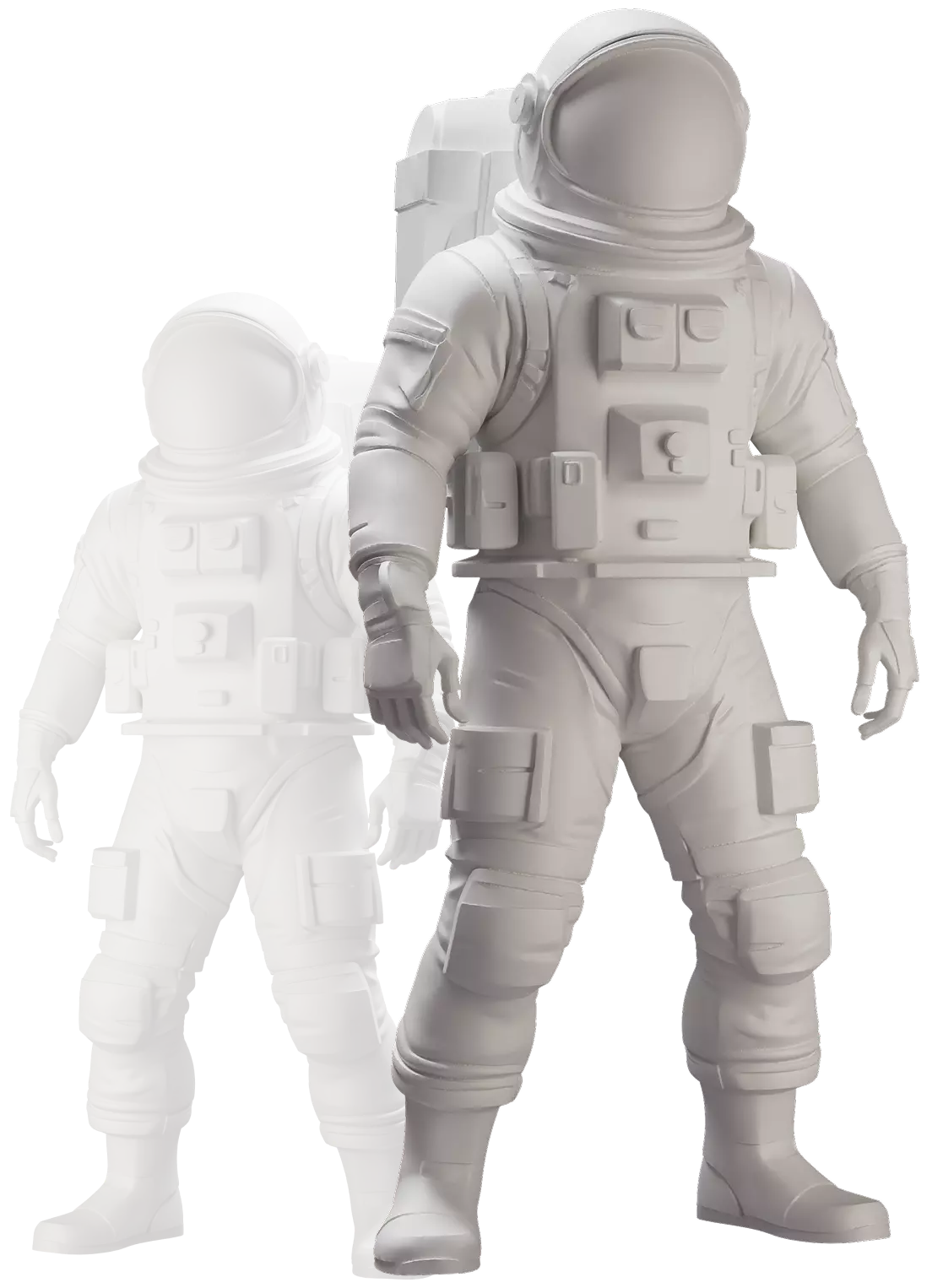
    Browser preview of an AI-generated 3D model with PBR textures for VR

    Check scale, silhouette, and weight

    Preview the textured mesh in the browser. Remesh or sculpt toward your poly budget and confirm real-world scale before anything ships to a device.

    browser preview · remesh · real-world scale
  3. Step 3 — Export
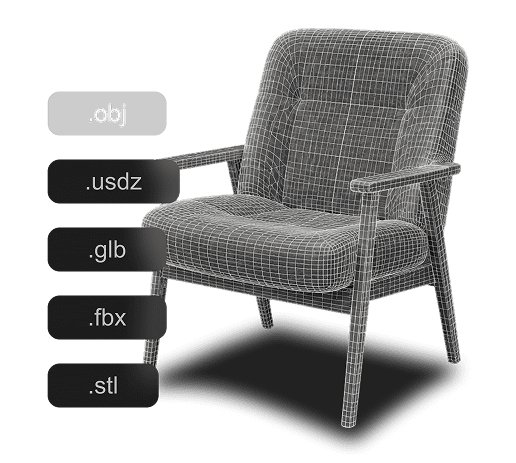
    Exporting GLB and USDZ files for AR Quick Look and WebXR

    Export GLB for web, USDZ for Quick Look

    Download GLB for WebXR and Android Scene Viewer, USDZ for iOS and visionOS, or FBX and OBJ when the asset is headed into Unity or Unreal.

    GLB · USDZ · FBX · OBJ

Frame rate is the real art director

Headsets don't grade your sculpt; they grade your budget. Here's how generated assets survive it. A model that looks great on a turntable can still sink a scene.

Frame rate is the real art director

Build the scene, not just the prop

VR sells presence, and presence is mostly environment. The same account generates what surrounds the model.

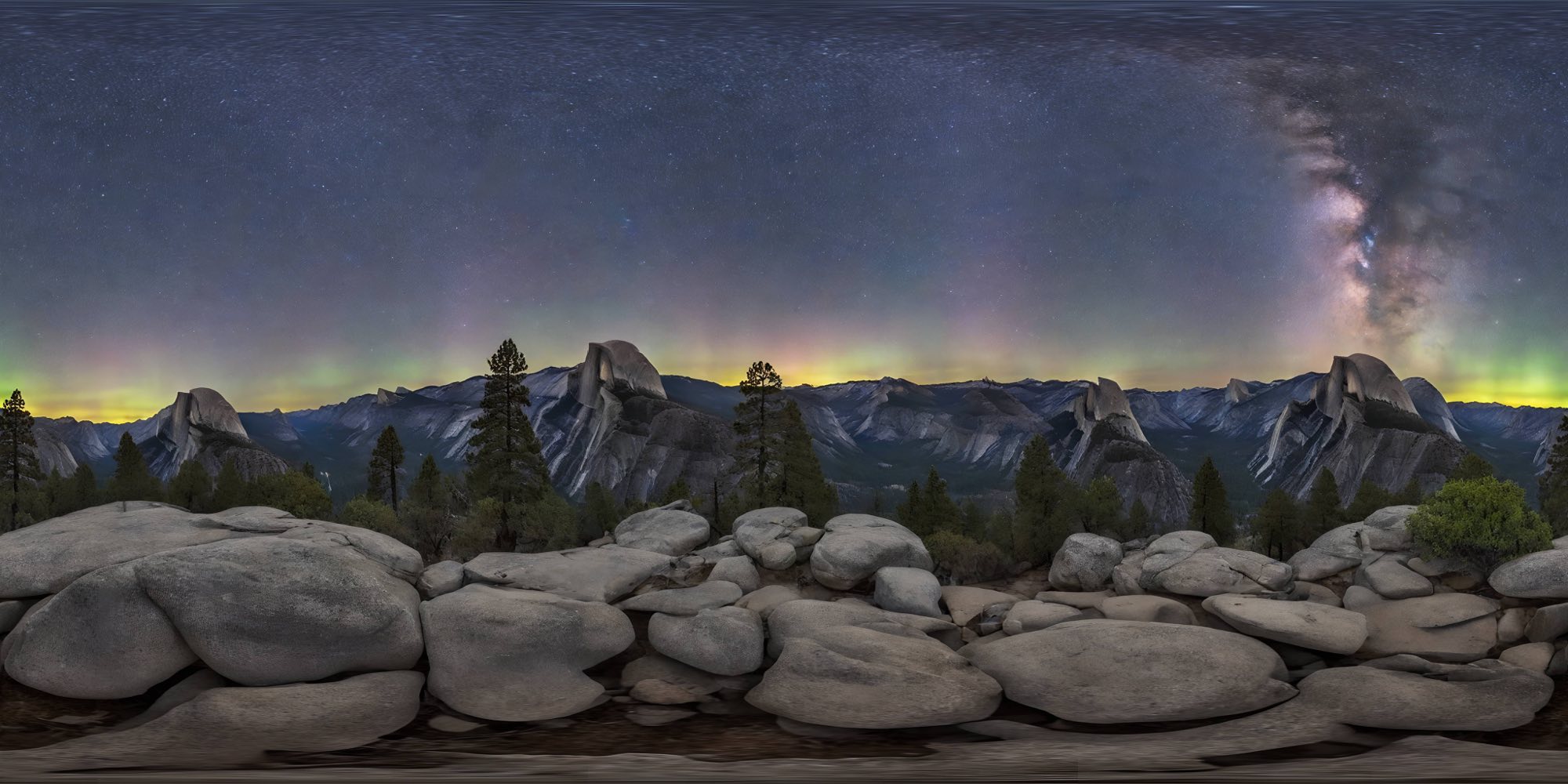
A night sky from one sentence
A night sky from one sentence

Prompt the AI HDRI generator for 360° skybox panoramas with a depth pass — light and wrap your scene without a location shoot.

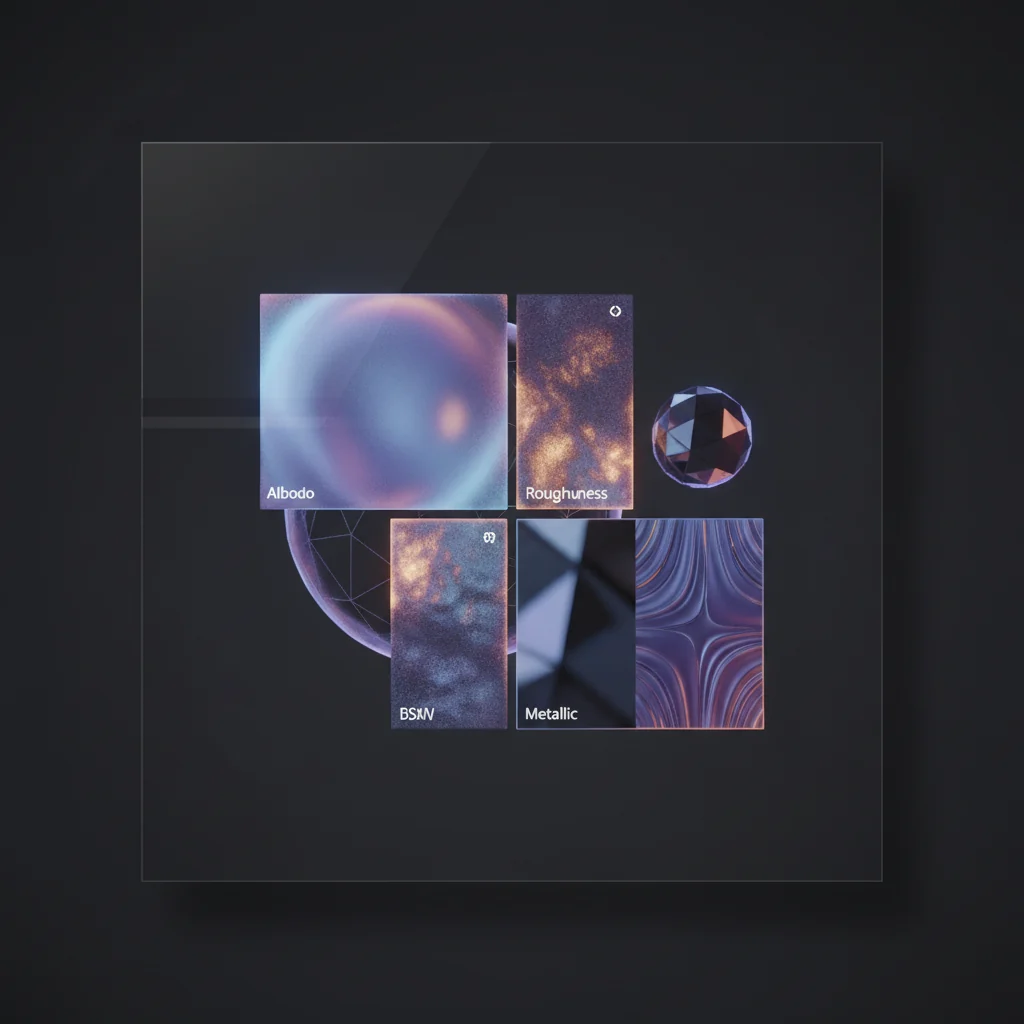
Surfaces that hold up close
Surfaces that hold up close

Generate PBR texture sets from a text or image reference for the floors, walls, and props players get close enough to inspect.

Fix the mesh where it lives

Fix the mesh where it lives

Sculpt, thicken fragile parts, and remesh in the browser before export. Free, no install, no login.

Trusted by Creators Building Real 3D Assets

Creators use Hyper3D to turn references and prompts into editable, export-ready 3D models for real workflows.

AI 3D just hit a new threshold. Rodin Gen-2.5: Geometry in ~4s, full model in ~5s, 10M+ polygons, clean structure, production-ready outputs. This is the moment AI 3D becomes an actual pipeline tool.

Sabir Hussain

Sabir Hussain

AI & Tech Enthusiast

Tested Rodin Gen-2.5 from Hyper 3D. Cleaner meshes, sharper surface detail, stronger multi-angle coherence. The results feel much closer to something you’d actually keep iterating on inside a real workflow.

BubbleBrain

BubbleBrain

AI Enthusiast

Rodin Gen 2.5 is a game-changer. 10M+ polygons, 3D-native textures, and seriously good results on complex high-poly models. Production-ready assets just got a lot closer.

Lagerskoy

Lagerskoy

Hunter & Builder

AR/VR asset questions, answered

What practitioners ask before shipping AI-generated 3D models to phones and headsets.

How do I make a USDZ file for AR Quick Look?

Generate a model from your photo or prompt and export USDZ, or run an existing picture through image to USDZ. iPhones open the file straight from Safari — no viewer app in between.

What polygon count works for mobile AR?

Less than you'd hope. A single hero object for Quick Look or Scene Viewer sits comfortably under about 100k triangles; a busy WebXR scene wants far less per asset. Generate dense, then remesh down until frame rate holds.

Do exports include PBR textures?

Yes. Generated models ship with textures, and GLB packs the base color and material maps into one binary — exactly what Three.js, Scene Viewer, and game engines expect. Input tips live on the image to 3D page.

Can I use the models in Unity or Unreal?

Yes. Export FBX or OBJ for the classic import path, or GLB where your pipeline supports it, then add colliders, LODs, and lightmap UVs in-engine like any other asset.

Can I generate from text alone, without a reference image?

You can. Text to 3D turns a written prompt into a textured model — handy for props that don't exist yet. Terms like low-poly or stylized steer the result toward real-time-friendly shapes.

What about full VR environments, not just props?

Props are half the job. Generate 360° skybox panoramas with the AI HDRI generator and material maps with the AI texture generator, then assemble in your engine.

Is the output ready to ship as-is?

Two answers. For an AR product preview: often yes — confirm scale and file size and publish. For performance-critical VR: budget a pass in the mesh editor to remesh, close gaps, and cut weight.

Can I use generated assets commercially?

Hyper3D is built for production work. Check your plan terms and the rights to any reference images you upload before shipping — the same diligence you'd apply to stock assets.

Put a model in the room

Generate your first AR-ready asset free, check it in the browser, and export USDZ or GLB in minutes.