
Fantasy 3D Model Generator

Generate high-quality fantasy creatures, weapons, armor, and environment assets from text or concept art, with flexible exports for supported creative, real-time, and 3D-printing workflows.
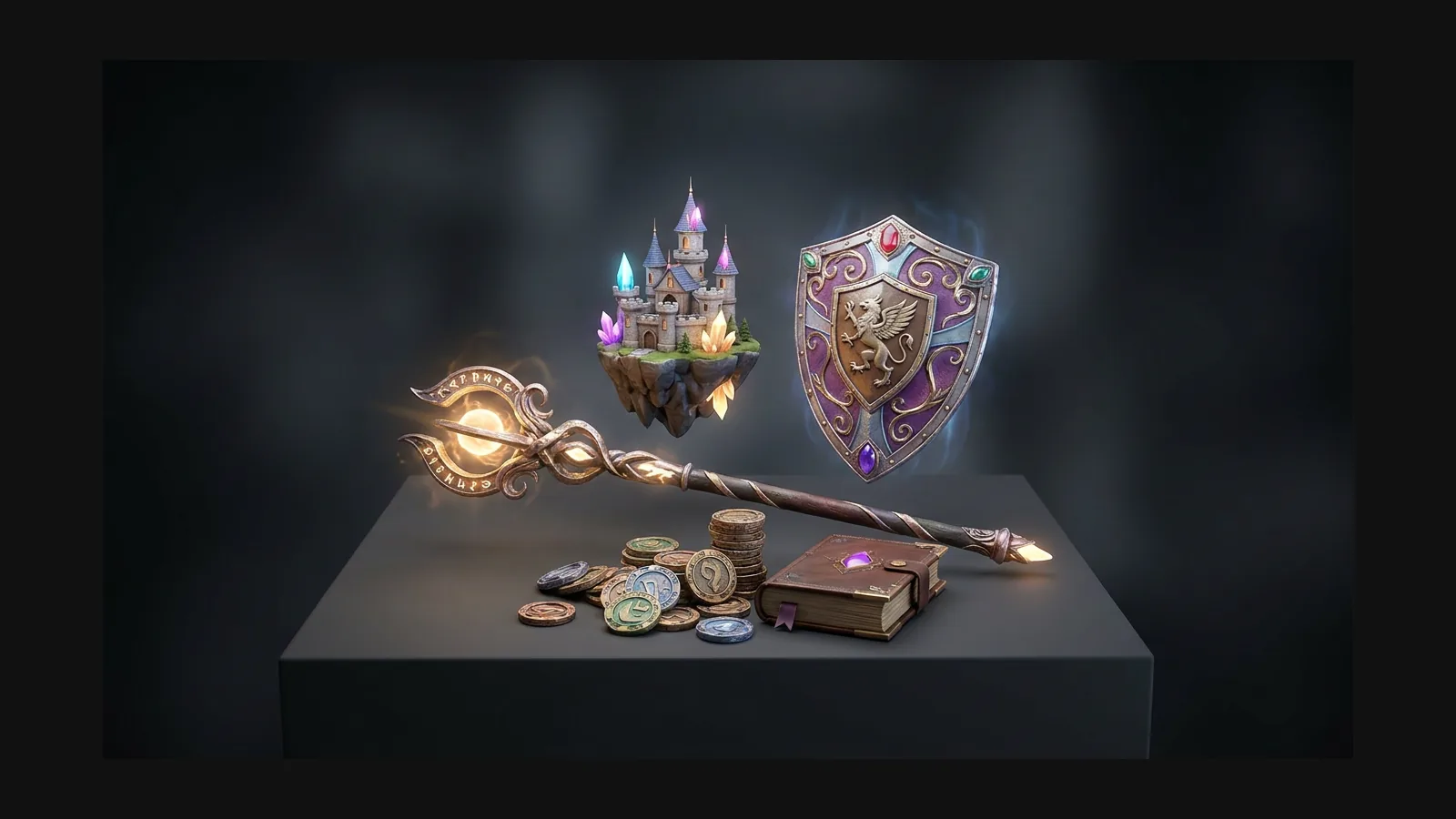
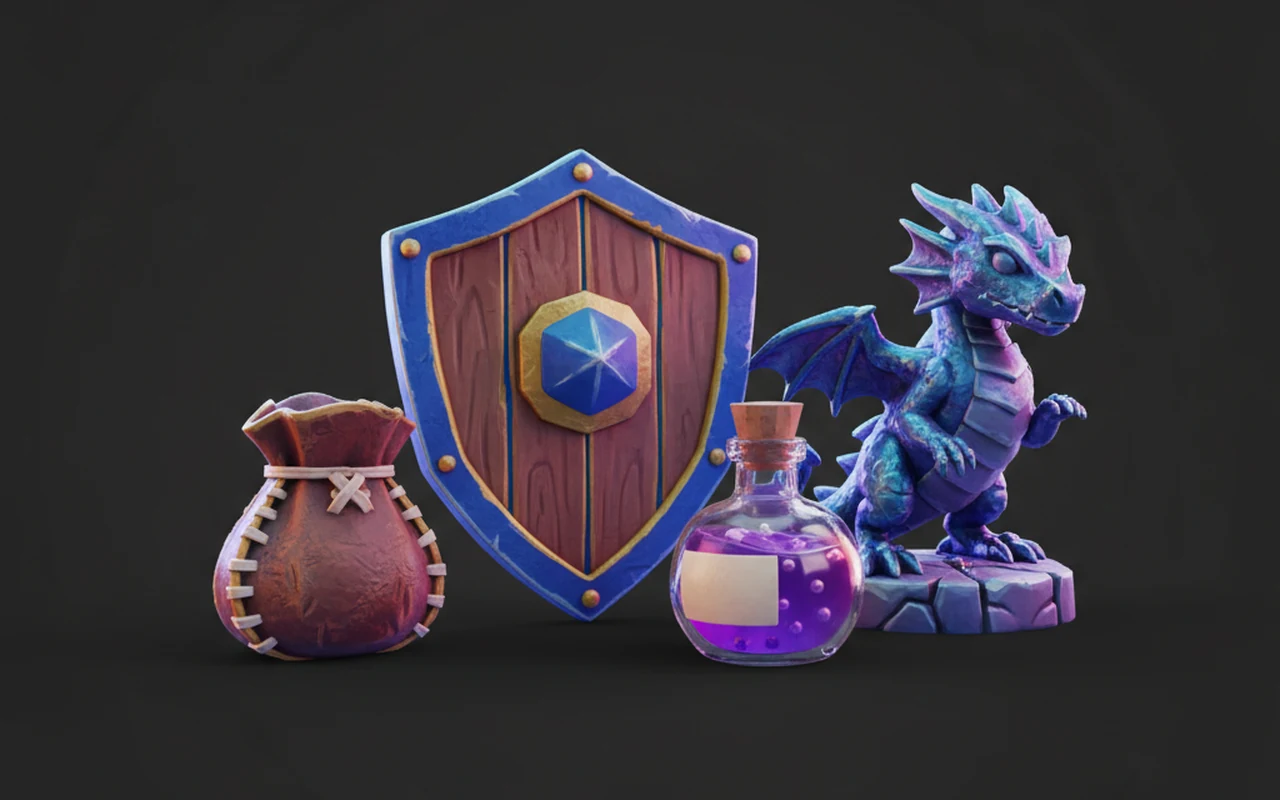
Fantasy 3D model generator hero image

One generator, every fantasy asset class

A campaign needs more than one hero model. Rodin handles the bestiary, the armory, and the world around them with the same prompt-and-reference workflow.

Creatures & monsters

Creatures & monsters

Rodin is designed for strong first-pass results.

Weapons & armor

Weapons & armor

Runeblades, cursed maces, dwarven plate. Weapons are the fastest win for AI generation: hard surfaces, strong silhouettes, and a polycount you can drive down for first-person or inventory-icon duty.

Environments, props & minis

Environments, props & minis

Modular dungeon walls, shrine ruins, market stalls — and the same assets re-exported as watertight STL for tabletop terrain and 28mm miniatures. One prompt, two pipelines.

How to generate fantasy 3D models

From lore note to engine-ready asset. The loop is fast enough to run during a design meeting.

1

Describe it or drop concept art

Text-to-3D for exploration, image-to-3D when the art director has already blessed a painting. Name the era, the material, and the mood — "bronze-age", "bone and sinew", "ceremonial".
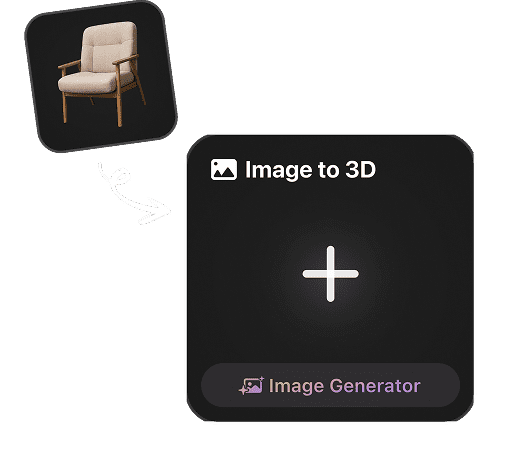
Describe a fantasy asset or upload concept art
2

Generate and iterate variants

Rodin is designed for strong first-pass results.
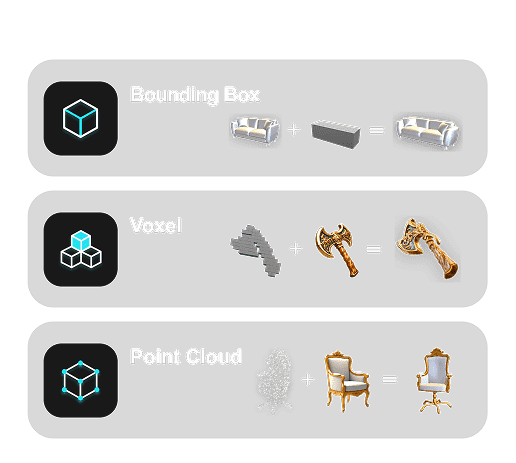
AI generates fantasy 3D model variants
3

Clean Topology and Flexible Export for Fantasy Assets

Rodin generates clean topology across supported workflows. OmniCraft separately provides optional retopology, voxel remeshing, decimation, and smoothing controls for creative changes or destination-specific optimization.
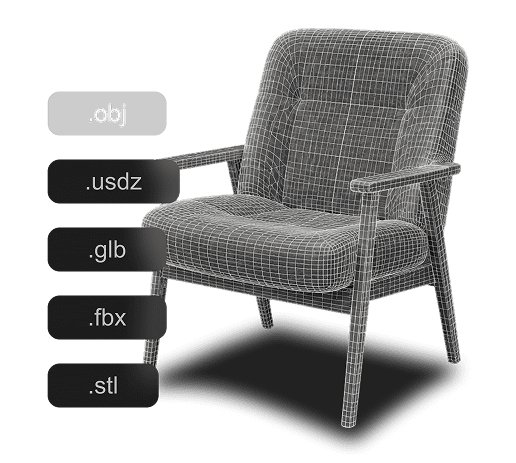
Export the fantasy model as FBX, GLB, or STL

Keep a Complete Bestiary On-Style

Rodin supports fixed seeds, reproducible results, and consistent asset generation. Shared references and style controls are optional ways to further direct a series.
How image-to-3D works

Fantasy prompt starters

Four openings that cover the classic asset classes. Paste into Rodin and push them toward your setting.

Boss creature

Swamp troll boss, hunched silhouette, moss-covered stone skin with glowing amber cracks, asymmetric horns, strong readable silhouette.

Legendary weapon

Elven runeblade, slender curved blade, engraved silver runes, leather-wrapped hilt, faint blue glow, high-quality fantasy weapon, hard-surface detail.

Dungeon kit piece

"Modular dungeon wall segment with torch sconce, cracked granite blocks, carved skull relief, seamless left and right edges for tiling, fantasy environment kit asset"

Tabletop miniature

Dwarf paladin miniature, heavy plate armor, warhammer raised, sturdy base, bold readable proportions, watertight 3D-printing-ready model.

Fantasy 3D model generator: FAQ

Creature polycounts, tabletop printing, style matching, and commercial licensing.

What kinds of fantasy 3D models can I generate?

Anything you can describe: creatures, weapons, armor sets, environment kits, shrines, siege engines, tabletop minis. Organic shapes and hard-surface props both work — creatures benefit from concept-art references, weapons from precise material words.

Can I print D&D miniatures from these models?

Yes. Rodin creates watertight, 3D-printing-ready fantasy miniatures with STL export for supported printing workflows.

How do I match my game's existing art style?

Feed a screenshot or key art of your existing assets as the reference image and describe the shared traits in words. For painted looks, pair this page's cousin: the hand-painted style workflow layers a painterly texture pass on top.

Can I control polygon count and generate LODs for fantasy creatures?

Yes. Rodin lets users choose a target polygon count during generation, with options up to 10 million polygons, and optionally generate LODs for each fantasy asset.

Can I generate a matching set of assets?

Rodin supports fixed seeds, reproducible results, and consistent asset generation. Shared references and style controls are optional ways to further direct a series.

Painted textures or realistic PBR for fantasy?

Both are one export away. PBR maps suit grounded, Elden-Ring-adjacent worlds; painted diffuse suits stylized and mobile titles. Rodin generates PBR by default, and the medieval style page shows the grounded end of the spectrum.

Can I use the models commercially?

Yes — assets you generate with Hyper3D can ship in commercial games, prints, and products under your plan's license. Avoid prompting for protected IP (named franchises, trademarked characters); original descriptions keep you safe.

Forge your first fantasy 3D asset

Describe the creature, the blade, or the ruin. Rodin builds the mesh; your engine, printer, or campaign table takes it from there.