




AI Voxel 3D Model Generator
Prompt the blocky, cube-built look of MagicaVoxel and Minecraft, generate a textured 3D model in seconds, and export GLB, OBJ, or FBX for your game or diorama.
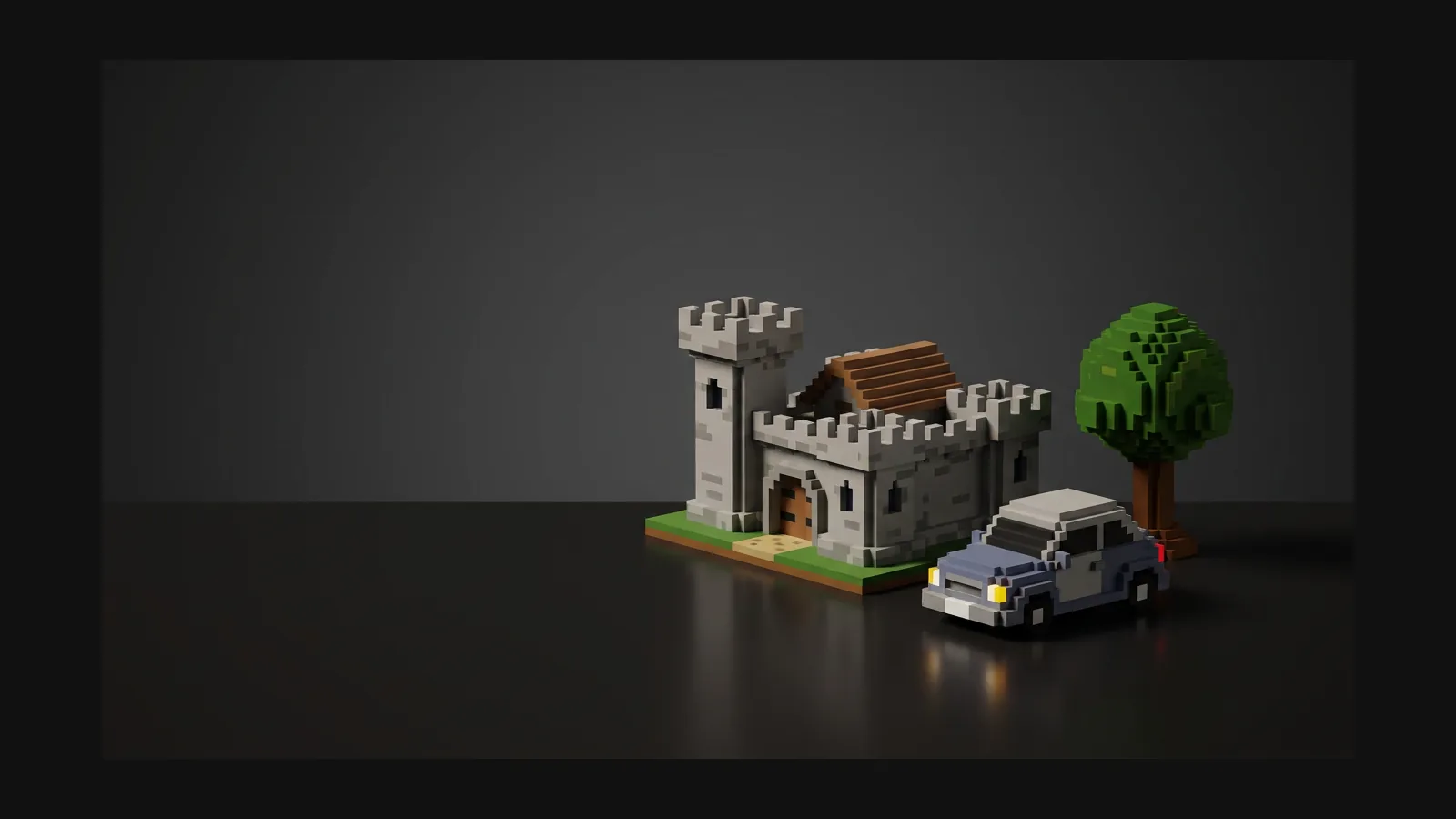


Built from cubes — and honest about how
Rodin directly generates voxel-style 3D assets from prompts or reference images, combining clean blocky geometry with a focused palette; OmniCraft voxel remeshing is an optional refinement tool.
How to create voxel 3D models
From a prompt or image to a clean, high-quality voxel-style asset in Rodin, nearly ready for an engine; OmniCraft remeshing remains an optional creative control.
1
Describe the build, name the blocks
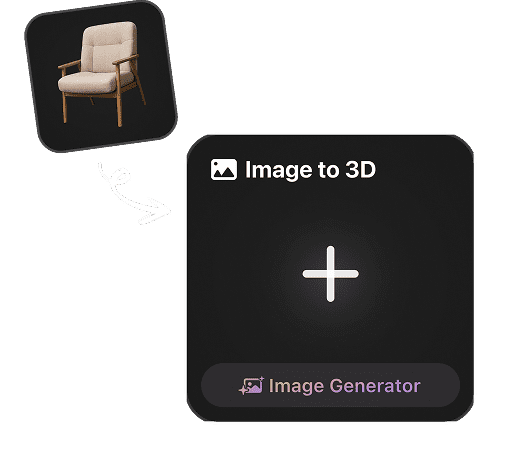
Write a prompt that names the style outright — 'voxel style, built from unit cubes, stair-stepped edges, 16-color palette' — or upload a screenshot of a MagicaVoxel-style piece you like as an image reference.
2
Generate and judge the blockiness
Rodin generates textured, watertight voxel-style meshes with clean topology, nearly ready for common 3D, engine, and slicing workflows.
3
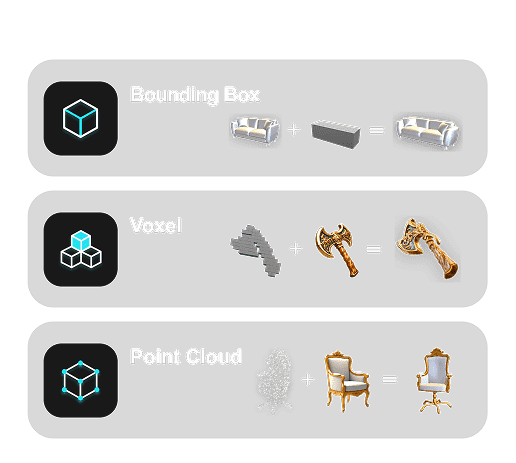
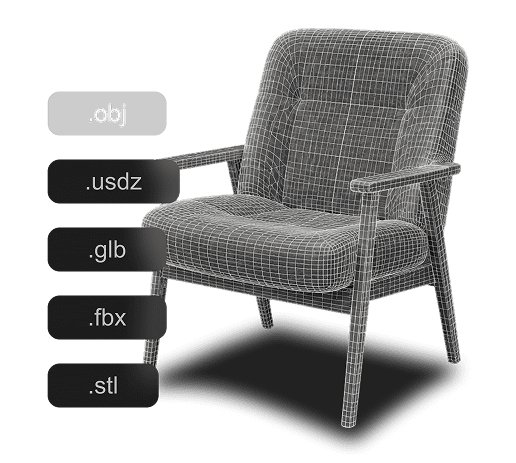
Clean Voxel-Style Topology and Flexible Export
Rodin directly generates voxel-style assets with clean blocky geometry. OmniCraft's optional voxel-remeshing controls let users fine-tune cube scale and silhouette before flexible export.
Voxel prompt recipes and set tricks
The words that matter: 'unit cubes', 'stair-stepped', a named palette size, and a style anchor like MagicaVoxel. Copy a recipe, swap the subject, keep the style words.
Diorama building
Diorama building
"voxel corner bakery, three floors, unit cube construction, stair-stepped awning, warm 16-color palette, MagicaVoxel diorama style" — buildings are where voxel reads strongest; keep one cube size throughout.
Chunky character
Chunky character
"voxel knight, cube head and blocky limbs, stair-stepped chainmail, flat colors, no smooth curves, Minecraft-adjacent proportions" — big head, short limbs: exaggerated proportions survive the cube grid best.
Create a Consistent Prop Set
Create a Consistent Prop Set
Start with: “voxel treasure chest, oak planks and gold trim, 8-color palette.” Keep a fixed seed and reuse the same reference and style controls when creating matching lantern, barrel, and cart assets.
Voxel 3D model generator FAQ
Straight answers on .vox export, blocky remesh, and where voxel style works best.