




AI Retro 3D Model Generator
Rodin generates high-quality retro 3D models from photos or prompts with clean topology and rich PBR materials, nearly ready to use in games, renders, web experiences, or 3D printing.
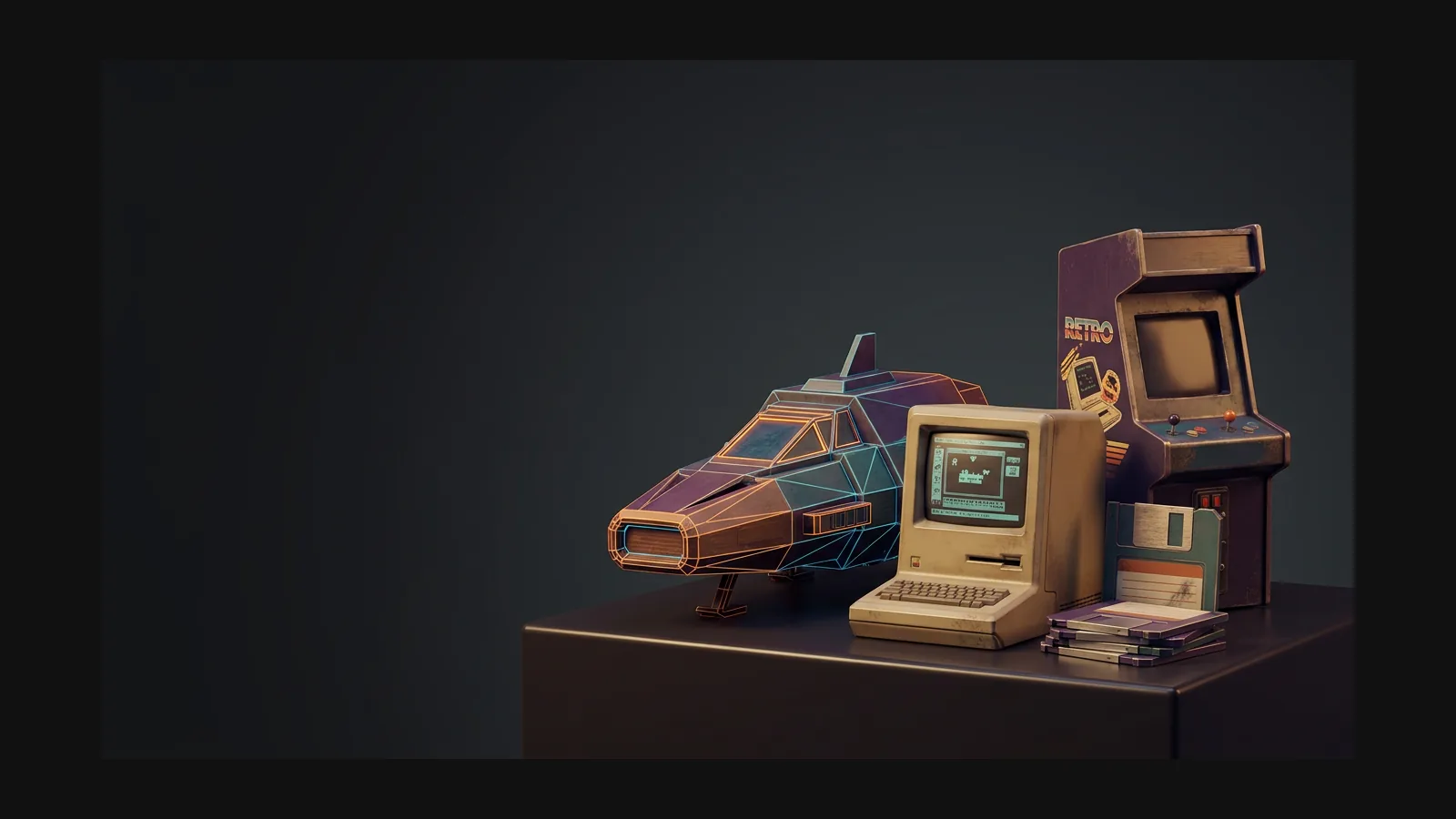


What makes a 3D model read as retro
Retro is not one look — it is a stack of decades, each with its own materials and silhouettes. Pick the era first; the prompts get specific on their own.

1970s product design
Warm plastics, wood-grain veneer, brushed-aluminum faceplates. Prompt for rounded rectangles, chunky dials, and orange-brown palettes to nail hi-fi gear and kitchen appliances from the decade.

1980s tech and toys
Beige computer shells, neon accents, angular wedges. Ask for visible screws, vent slots, and two-tone injection-molded plastic to get convincing 80s hardware and action-figure looks.

1990s console era
Translucent shells, blobby ergonomics, early-3D chunkiness. Pair these cues with a hard polycount cap from the low-poly style and props read like they shipped on a fifth-gen console.

Retro-futurism
Atomic-age chrome, tail fins, bubble canopies, cassette-futurism panels. Describe the imagined future — “a 1960s vision of a space heater” — and let the worn textures carry the age.
Retro prompt recipes you can copy
Steal these starting points: swap the subject, keep the material and wear cues. The quoted text goes straight into text-to-3D, or rides along as a note on an image upload.
The 80s boombox
“A 1980s boombox with dual cassette decks, chrome speaker grilles, chunky buttons, a worn carry handle, and two-tone gray plastic with subtle handled wear.” OmniCraft can optionally refine roughness for additional age and wear.
The diner jukebox
“A 1950s chrome jukebox with bubble tubes, rounded glass top and glowing amber buttons, polished steel and enamel.” A retro-futurist hero prop — keep it clean and let the chrome do the talking.
The 90s CRT monitor
“A beige 1990s CRT computer monitor with curved glass screen, ventilation slots and yellowed plastic, slightly grimy.” The yellowed-plastic cue does more era work than any decade label.
Sell the age with textures
Rodin can generate vintage materials with roughness variation, aged plastics, faded printing, and surface wear; OmniCraft is a separate, optional tool for creating additional texture variants.
How to create retro 3D models
Three passes take a reference from “found in a thrift store” to “sitting in my scene”. No sculpting seat time required.
Start with an era reference
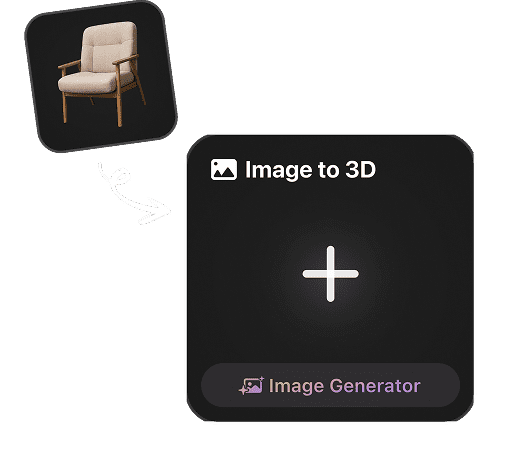
Upload a photo — an old catalog scan, an auction listing, a toy on your desk — or write a prompt that names the decade, the material, and the wear.
Generate and compare takes
Rodin is designed for strong first-pass results.
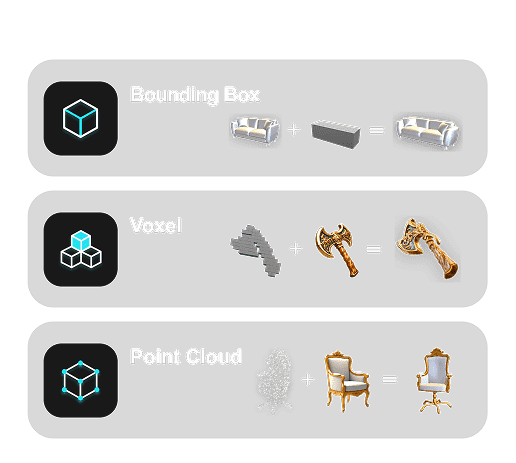
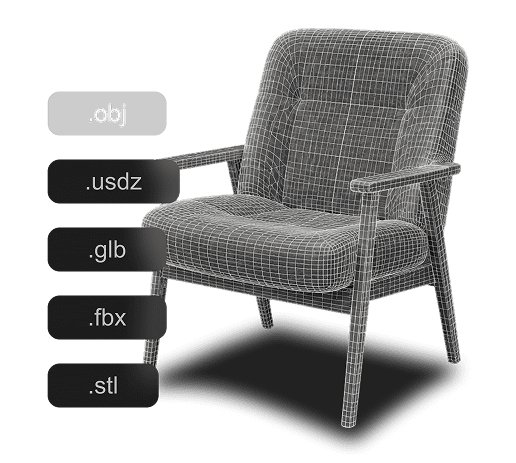
Clean Topology, Rich Textures, Flexible Export
Generate a textured retro asset in Rodin, then optionally tune polygon density or materials in OmniCraft before flexible export to web, game, DCC, rendering, or 3D-printing workflows.
Retro 3D model generator FAQ
Era cues, polycounts, formats, and how retro differs from its blockier neighbors.