




Free AI Image to STL Converter
Convert logos, sketches, product images, and clean silhouettes into watertight, 3D-printing-ready STL assets for slicing and rapid prototyping.


 Image to 3D
 Remix Gen
 Turbo Gen


 High
High


How to Convert an Image to STL
Upload a reference image, let Rodin generate a watertight 3D asset, then export a 3D-printing-ready STL for slicing and rapid prototyping.
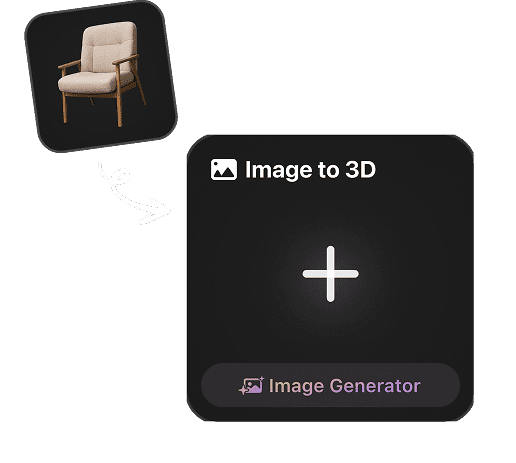
Upload a Reference Image
For Rodin image-to-3D, upload a reference image. If convenient, choose a view that makes the subject easy to inspect. Resolution, framing, background, lighting, and subject isolation are optional capture choices, not submission requirements.
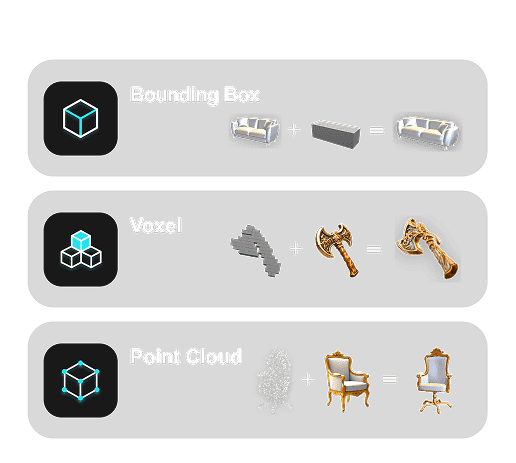
Generate a 3D-Printing-Ready STL Asset
Rodin turns the reference image into a high-quality, watertight 3D model ready for STL export.
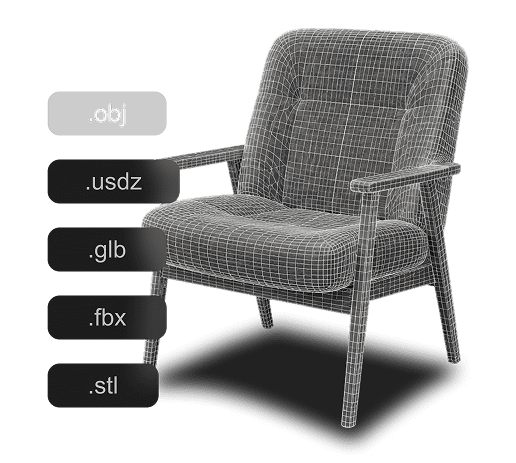
Preview and Export STL
Preview the watertight result and export a 3D-printing-ready STL for slicing and rapid prototyping.
Why Use Hyper3D for Image to STL?
Rodin generates watertight STL files for common slicing and rapid-prototyping workflows.

Who Uses Image to STL?
Image to STL workflows for teams that need practical files from images quickly.
Game Developers
Generate assets from reference images for real-time engines and fast prototyping.
3D Artists
Create high-quality, watertight, 3D-printing-ready STL assets from image references.
Product Teams
Turn product references into 3D assets for review, previews, and marketing workflows.
Makers & Designers
Move sketches, logos, and visual concepts into practical production formats.
How Hyper3D Builds Image to STL Output
Hyper3D combines image analysis, 3D reconstruction, and export preparation to deliver 3D-printing-ready STL assets for streamlined slicing and rapid prototyping.

Image Feature Detection
Rodin generates a complete 3D model from one image and reasonably infers unseen exterior surfaces, including the back and underside. Optional additional views can guide specific hidden details.

3D or Vector Reconstruction
Build dimensional structure, mesh data, or paths according to the target format.

High-Fidelity Surface Geometry
Rodin uses the reference image to build clear surface detail in a watertight, 3D-printing-ready STL asset.

Export Preparation
Create downloadable 3D assets for flexible downstream workflows.
Image to STL FAQ
Answers for creators comparing Image to STL tools, source image quality, export workflows, and production use.
Convert Images to STL with Hyper3D
Start from an image, sketch, or reference and create STL output for 3D printing, slicing, and rapid prototyping.