




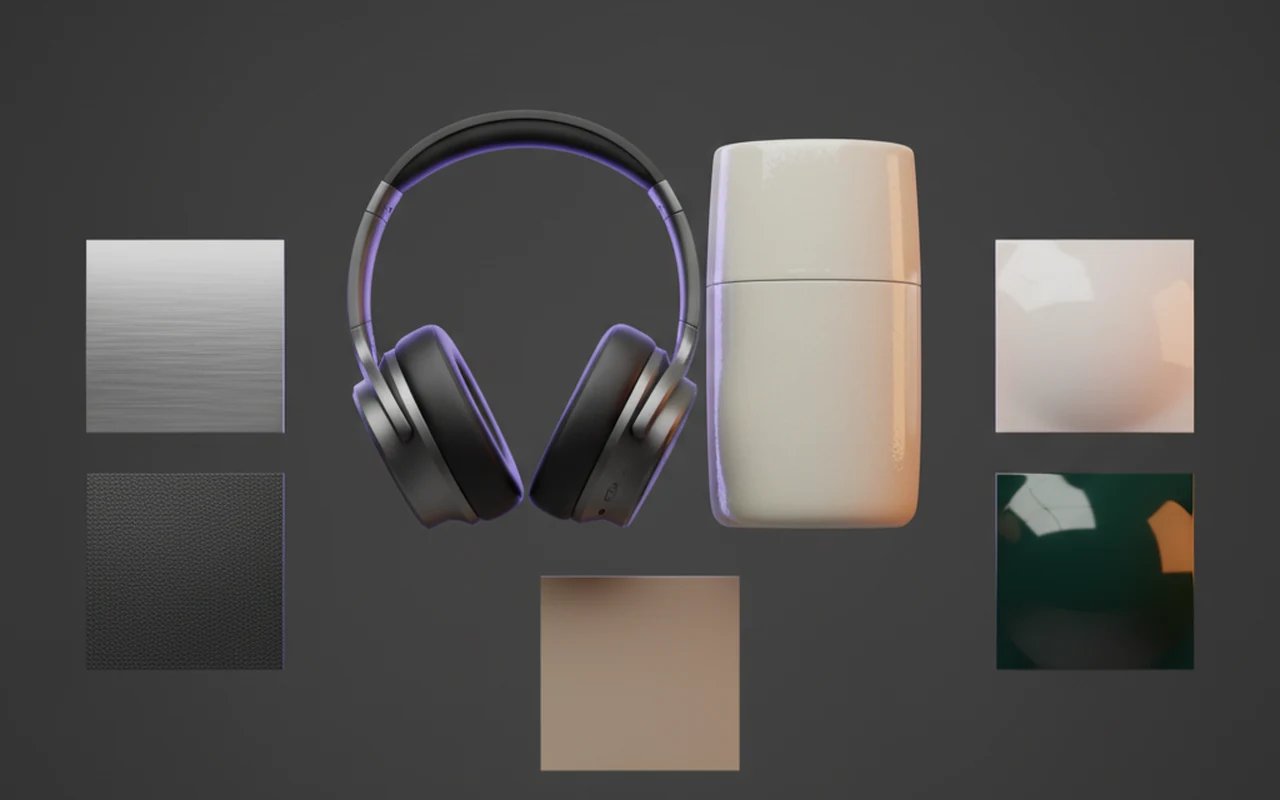
AI Isometric 3D Model Generator
Generate buildings, props, and tiles built for the isometric camera: compact footprints, readable rooflines, consistent scale. Export GLB or render to sprites.
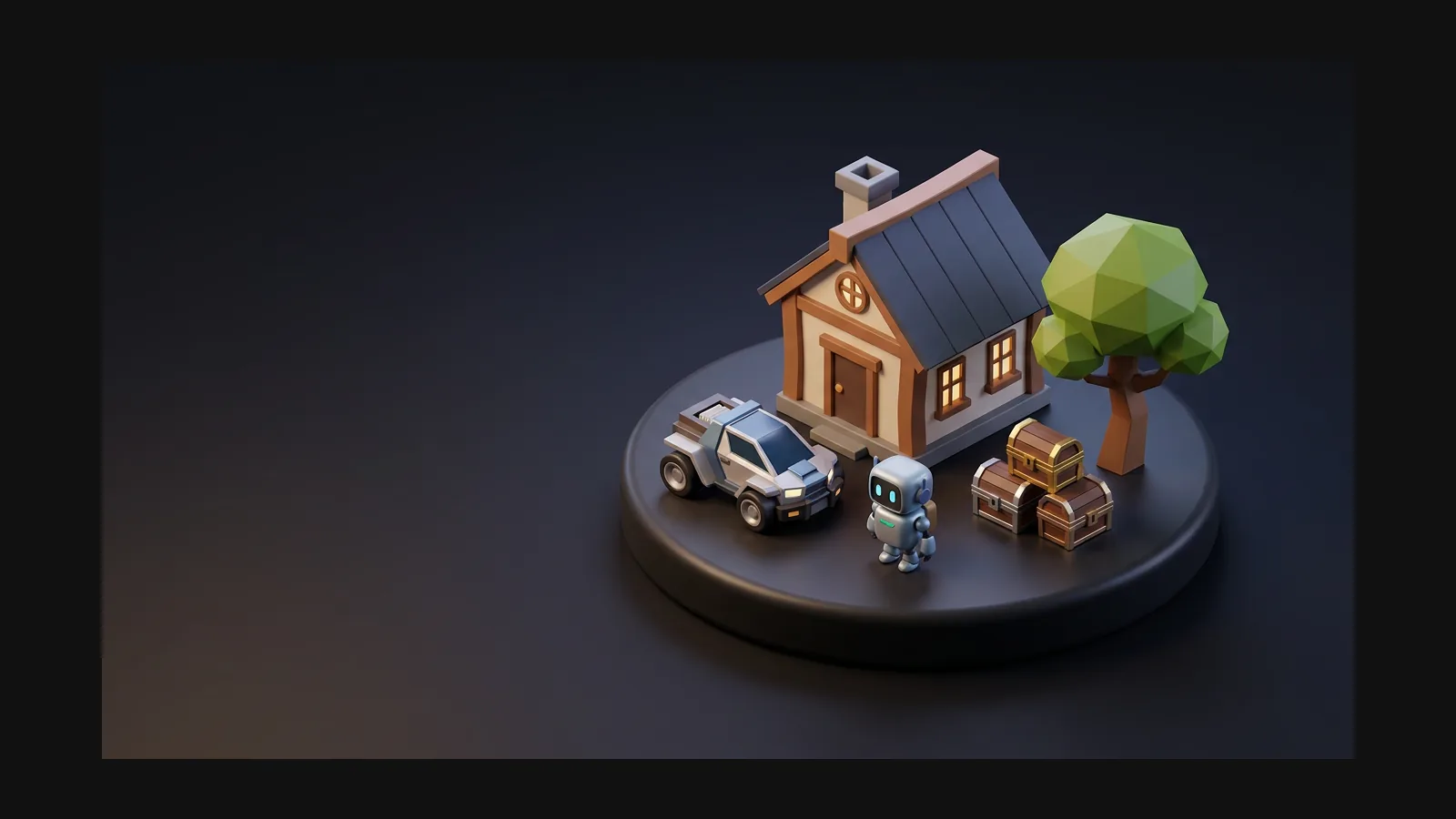


What makes an isometric asset work
Four habits from city-builder and strategy art teams — camera, footprint, visible faces, scale — each one promptable and checkable before export.
The camera is the style
The camera is the style
Isometric is a viewpoint, not a material: an orthographic camera looking down at roughly 30 degrees, no perspective convergence. Any well-built 3D model becomes isometric the moment that camera points at it — which is exactly why generating real 3D beats drawing each angle by hand.
Tile-friendly footprints
Tile-friendly footprints
Game tiles live on a grid, so the model's base must respect it. Prompt for 'compact square footprint' or 'fits a single tile', and keep overhangs — awnings, roof eaves — inside the cell or deliberately one cell deep. That discipline is what makes a set snap together in a tilemap.
Design for the top three faces
Design for the top three faces
Rodin reasonably infers surfaces not visible in a single reference image; prompts can emphasize priorities based on creative intent without excluding hidden-surface details in advance.
Stable Real-World Scale Across the Set
Stable Real-World Scale Across the Set
Rodin generates nearly ready-to-use 3D models at a stable real-world scale, helping assets stay coherent across a city block. OmniCraft is a separate, optional toolkit for creative resizing when a particular scene or presentation scale is desired.
Build an isometric tile set
From one prompt to a district: generate, normalize, then either keep it 3D or render it down to sprites.
- Step 1 — Generate the anchor
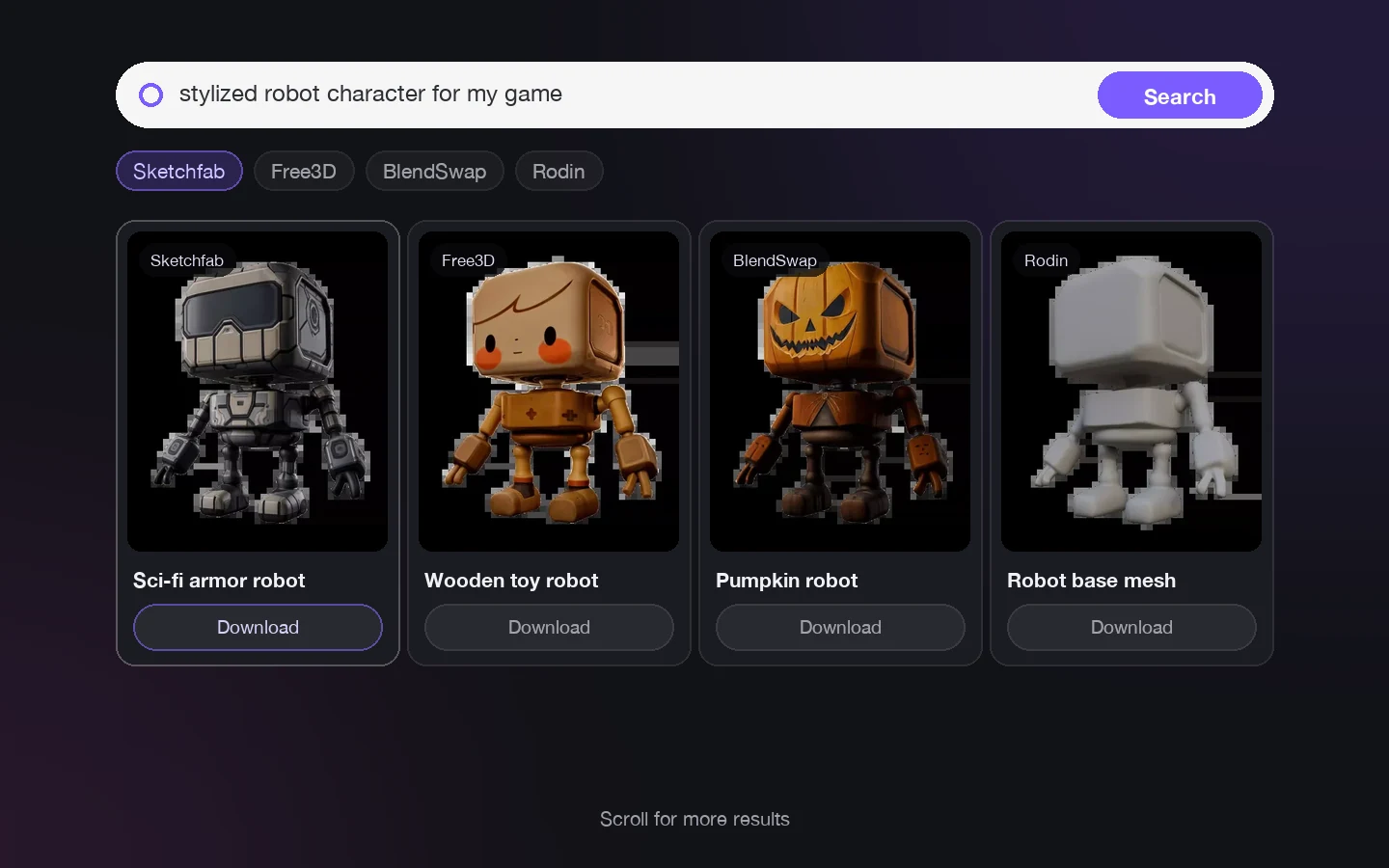
One building sets the rules
Rodin supports fixed seeds, reproducible results, and consistent asset generation. Shared references and style controls are optional ways to further direct a series.
- Step 2 — Extend the set
Create Consistent Variations
Rodin supports fixed seeds, reproducible results, and consistent asset generation at a stable real-world scale. Shared references and style controls are optional ways to further direct a cohesive series.
- Step 3 — Ship 3D or sprites
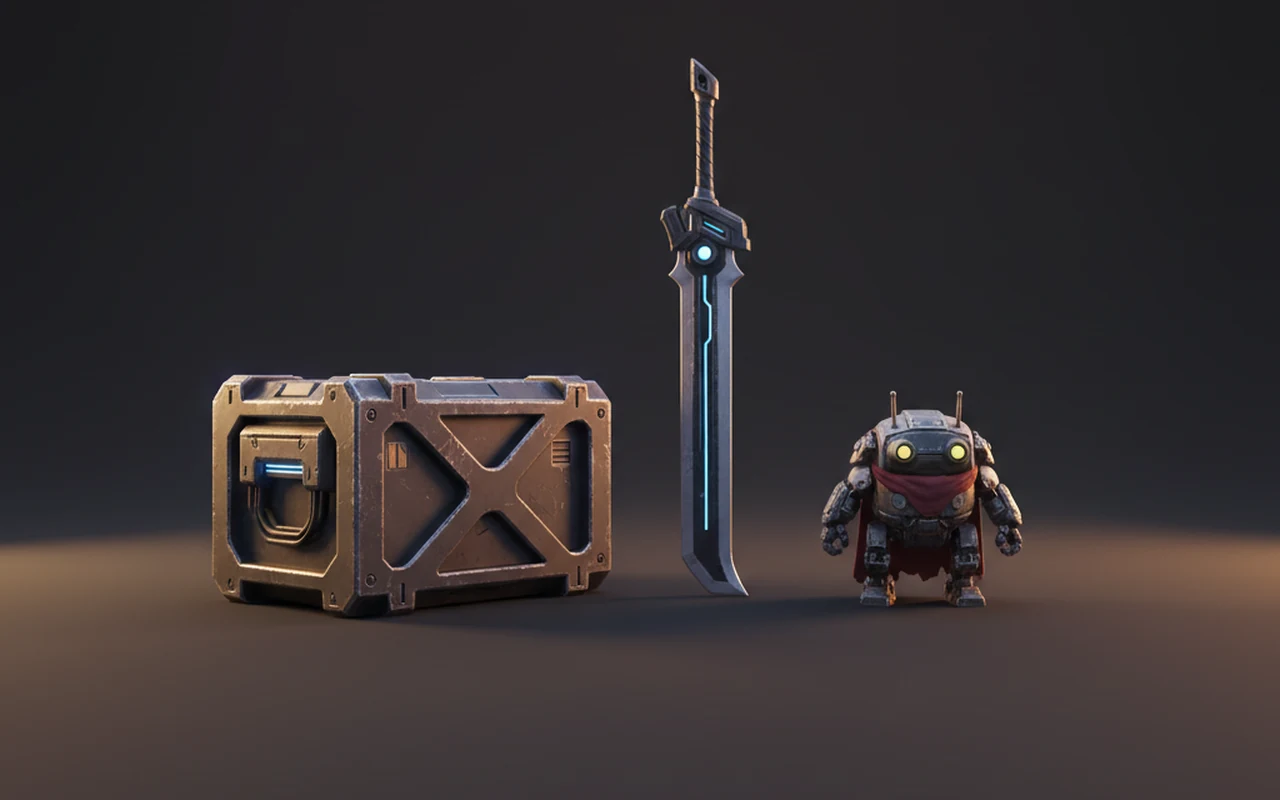
Two endings, both standard
True-3D route: export GLB or FBX and set an orthographic camera at 30 degrees in Unity, Godot, or Unreal. Sprite route: render each model at the classic 2:1 dimetric angle in Blender and feed the PNGs to your 2D tilemap.
Isometric illustration without the ruler work
Tech-blog headers, product cutaways, explainer scenes: generate the room or device once, orbit to the exact angle, and render. Change the layout next week without redrawing a single line — the 3D scene is the source file.
Isometric 3D model generator FAQ
Camera angles, tile consistency, sprite rendering, and export formats — answered the way a strategy-game art lead would.