ИИ Low Poly генератор 3D-моделей

Turn a prompt or concept image into a low poly 3D model, set an exact polycount with remesh, and export FBX, GLB, or OBJ for Unity, Unreal, Godot, or Blender.

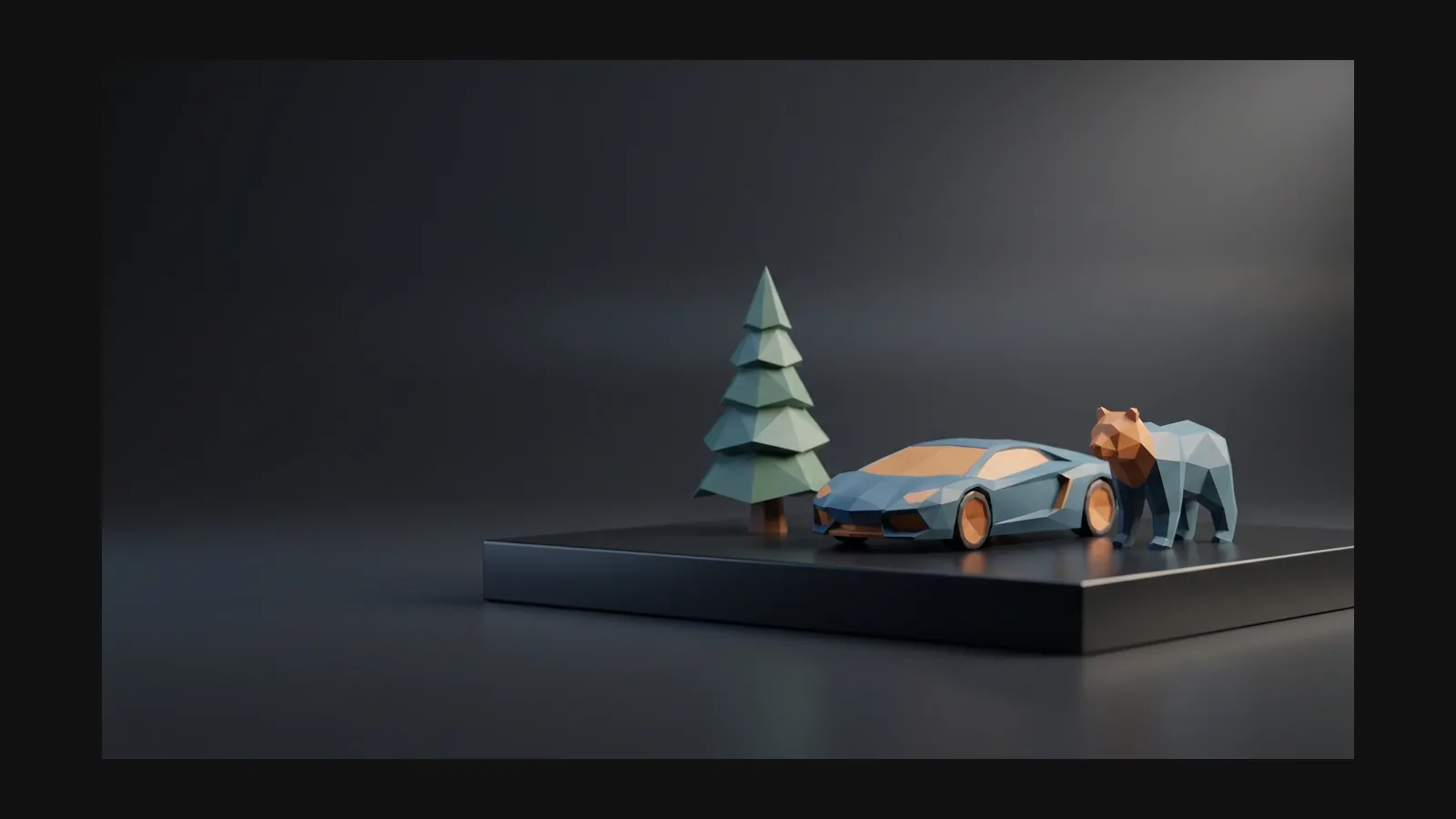
Low Poly 3D model generator hero image

Low Poly модель за три шага

Rodin generates the mesh; the OmniCraft Mesh Editor brings it down to budget. No blocking, no retopo marathon.

  1. Step 1 — Reference
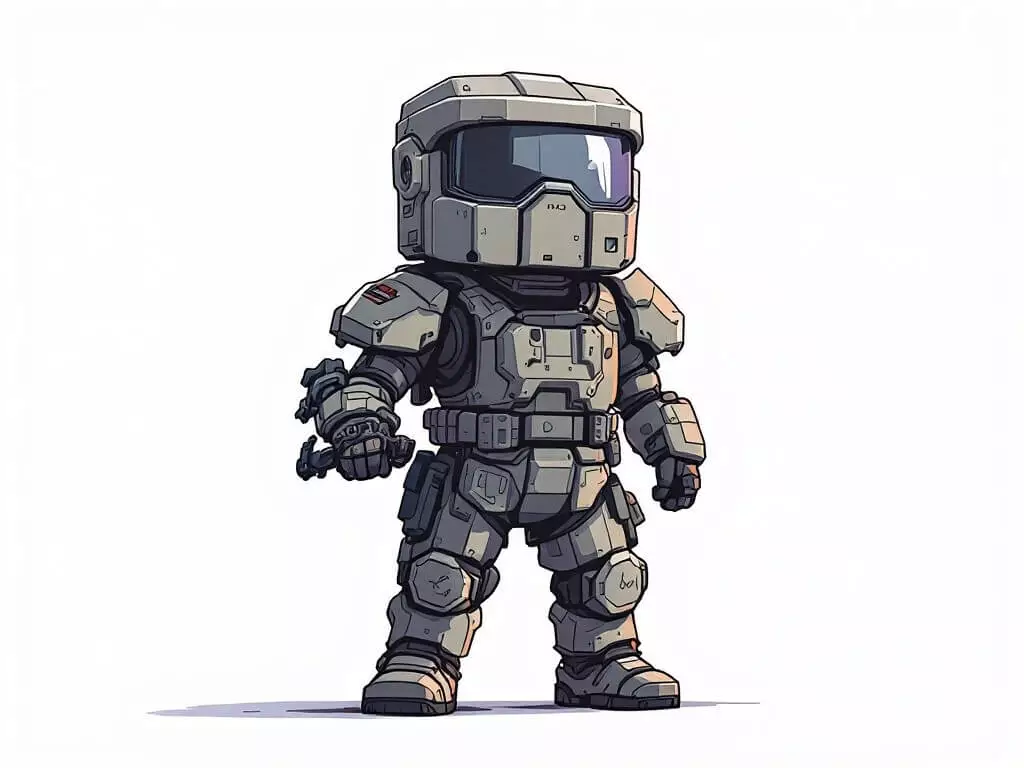
    Concept art used as an image-to-3D reference for a low poly 3D model

    Prompt the low poly look explicitly

    Words like 'low poly', 'flat-shaded', 'faceted', and 'one color per face' steer the geometry and the texture. An image reference of an existing low poly asset locks the direction even harder.
    text prompts · image references
  2. Step 2 — Generate
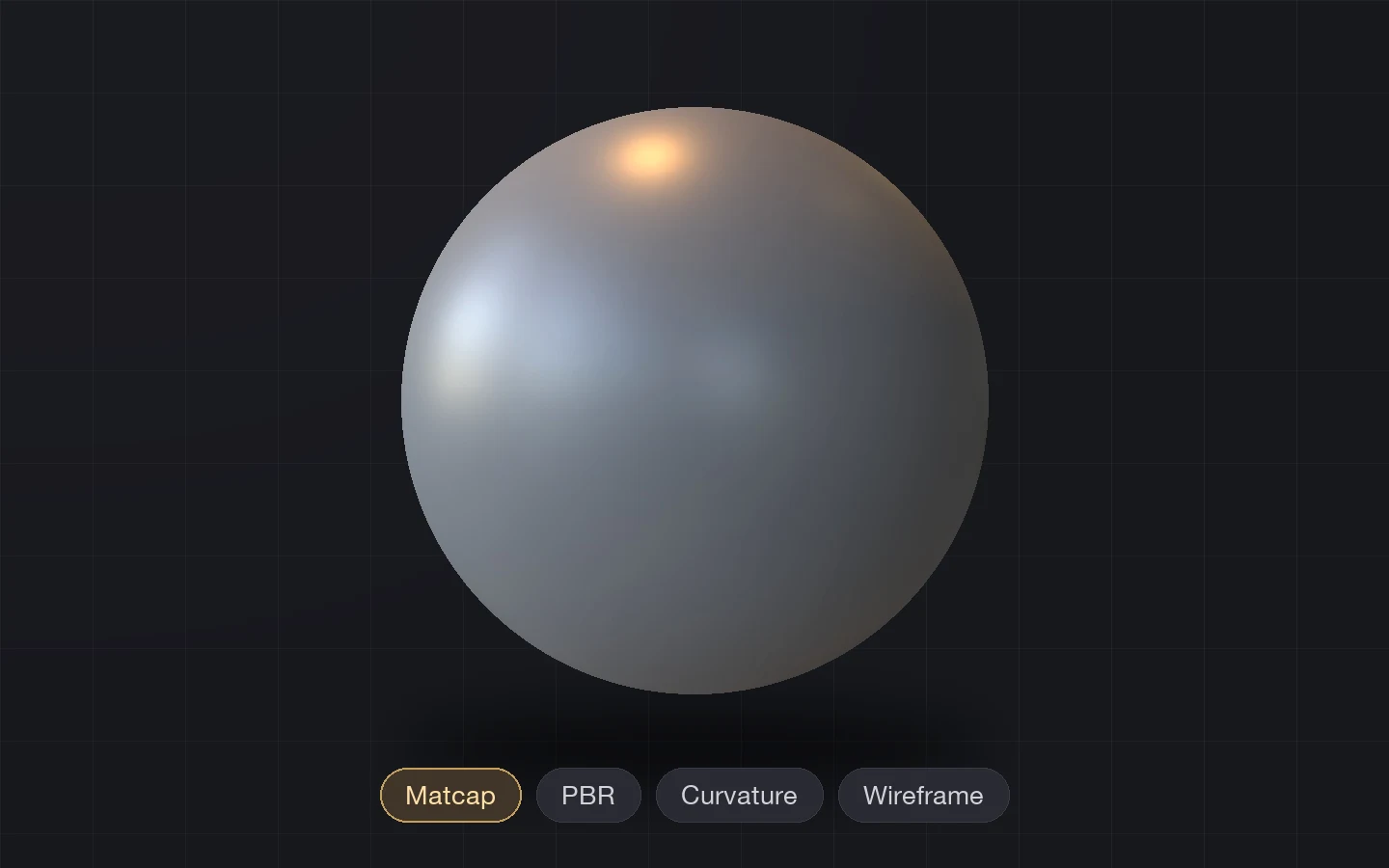
    Generated 3D model imported into the OmniCraft Mesh Editor for review

    Get a watertight mesh with PBR maps

    Rodin returns a textured, watertight mesh with UVs. Check the silhouette from the angles your camera will actually see — low poly lives or dies on the outline, not the surface.

    watertight mesh · UVs · PBR set
  3. Step 3 — Remesh & export
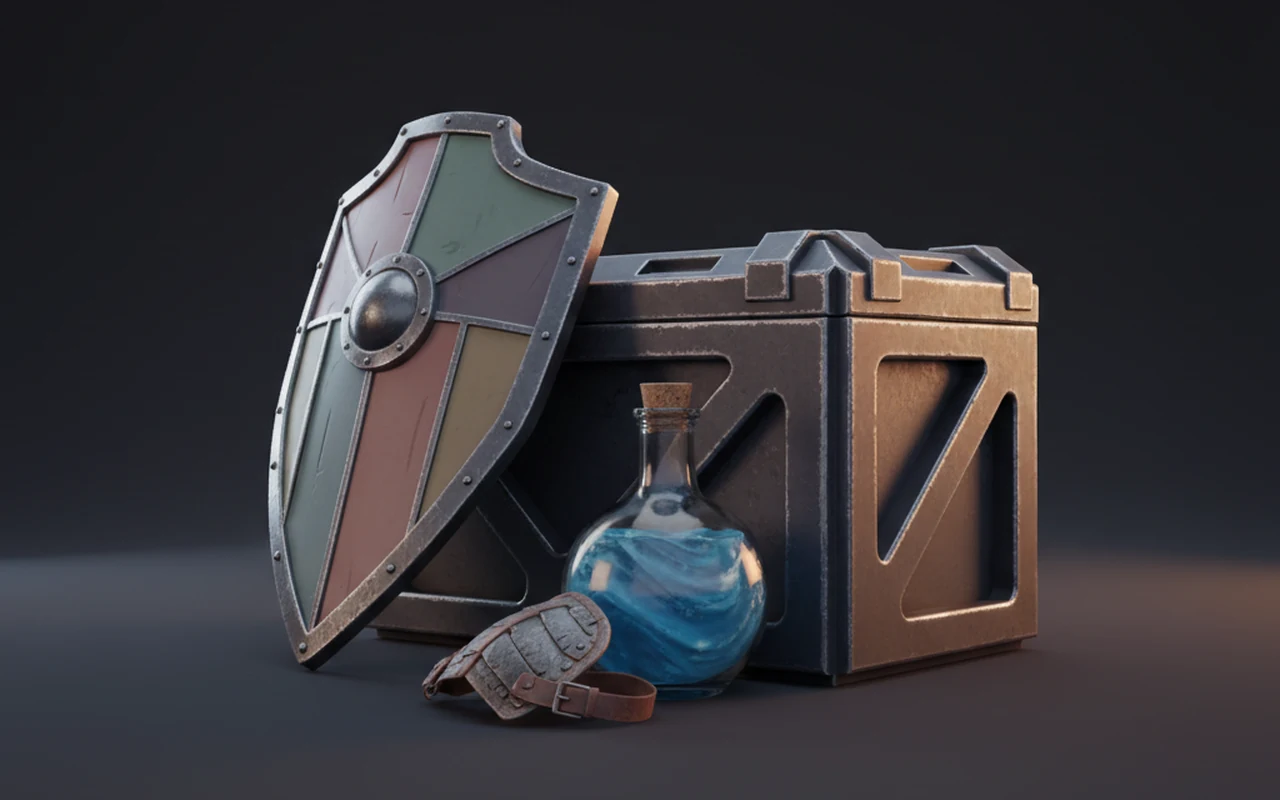
    Low poly 3D model checked with a live vertex and triangle count readout

    Bring it down to your poly budget

    Remesh to a target density in the Mesh Editor while a live triangle counter keeps score, then export FBX for Unreal, GLB for Unity or the web, OBJ for Blender.

    FBX · GLB · OBJ · live polycount

Полигонаж задаёте вы

A hero prop can afford 8,000 triangles; a background rock gets 300. Generate at full detail, then remesh to the exact density each slot needs — the live triangle count in the OmniCraft Mesh Editor keeps score while the silhouette stays intact.

Открыть Mesh Editor
Открыть Mesh Editor

Что делает модель Low Poly

The style is a set of deliberate choices — silhouette, shading, palette, budget — and each one maps to a control in the OmniCraft pipeline.

Силуэт важнее деталей

Силуэт важнее деталей

Good low poly spends its triangles on the outline: the ear of the fox, the notch in the axe. Generate from a reference with a strong profile and the style is already half done.

Плоская заливка и жёсткие рёбра

Плоская заливка и жёсткие рёбра

The faceted look comes from split normals, not just fewer polygons. After export, one click — Shade Flat in Blender, or hard edges in your engine import settings — locks in the crystalline read.

Палитра вместо фототекстур

Палитра вместо фототекстур

Classic low poly uses a handful of flat colors or a tiny gradient atlas. Prompt for 'flat colors, three-tone palette, no surface noise' and regenerate the texture until the material sits right.

Экономия там, где нужно: в движке

Экономия там, где нужно: в движке

Few triangles, one material, small textures: low poly assets batch well, fit mobile and VR frame budgets, and load fast on the web. That is why the style never left game development.

Рабочие Low Poly промпты

Name the subject first, then stack style cues: shading, palette, edge treatment, and where the asset will live. Copy these into Rodin and adjust the subject.

Персонаж / существо

"low poly fox, flat-shaded triangular facets, warm autumn palette, strong silhouette, game-ready prop, no surface noise"

Модульный набор окружения

"low poly desert ruin archway, sandstone blocks, flat shading, three-tone palette, modular kit piece for a mobile game"

Хард-сёрфейс проп

"low poly delivery drone, hard edges, faceted panels, two-tone gray and orange palette, readable at a distance, no decals"

Объект для изометрии

"low poly alpine cottage, snow-capped roof, flat colors, compact square footprint, designed for an isometric camera" — pairs well with the isometric style page.

FAQ по генератору Low Poly 3D-моделей

Polycounts, flat shading, engine formats, and where low poly assets earn their keep.

How do I generate low poly 3D models with AI?

Two ways. Text to 3D from a prompt that names the style — 'low poly, flat-shaded, three-tone palette' — or Image to 3D from concept art or a photo of an existing low poly asset. Then remesh to your triangle budget and export.

Can I control the exact polygon count?

Yes — after generation. The OmniCraft Mesh Editor remeshes to a target density with a live vertex and triangle readout, so you can hit 500 triangles for a background prop or 8k for a hero piece and export each LOD as its own file.

Will the model come out flat-shaded?

Prompting the look gets you most of the way: faceted geometry and flat-color textures. The final crystalline shading is a normals setting you flip at import — Shade Flat in Blender, or hard edges in Unity and Unreal import options. There is no hidden style filter; it is prompts plus standard tools.

Which export format should I use for Unity, Unreal, or Godot?

FBX is the safe default for Unreal and Unity. GLB works everywhere modern — Godot, Unity, three.js — and carries textures in one file. OBJ is the simplest hand-off into Blender. The PBR set travels with each export.

Can I refine the model in Blender afterwards?

That is the intended workflow for many teams: generate in Rodin, export OBJ or FBX, then use Blender for the finishing pass — a Decimate modifier for further reduction, Shade Flat for facets, and a palette material if you want the classic gradient-atlas look.

Low poly, voxel, pixel art — which style page do I need?

Low poly means few triangles and faceted shading. Voxel builds everything from cubes, like MagicaVoxel or Minecraft. Pixel art in 3D usually means low-resolution, retro-styled textures on simple meshes. They overlap, but the prompts and post steps differ.

Are the models rigged or animation-ready?

Rodin outputs static meshes. Low poly assets are quick to rig because there is little geometry to weight, and the clean watertight topology helps. For the full pipeline from base mesh to animation, see the animation use case.

Where do low poly models fit best?

Anywhere the frame budget is tight or the art direction calls for it: mobile and PC games, VR and AR scenes where every millisecond counts, web configurators, and stylized animation. Small files also make iteration rounds faster.

Доверие создателей реальных 3D-ассетов

Создатели используют Hyper3D, чтобы превращать референсы и промпты Low Poly в редактируемые 3D-модели.

AI 3D just hit a new threshold. Rodin Gen-2.5: Geometry in ~4s, full model in ~5s, 10M+ polygons, clean structure, production-ready outputs. This is the moment AI 3D becomes an actual pipeline tool.

Sabir Hussain

Sabir Hussain

AI & Tech Enthusiast

Tested Rodin Gen-2.5 from Hyper 3D. Cleaner meshes, sharper surface detail, stronger multi-angle coherence. The results feel much closer to something you’d actually keep iterating on inside a real workflow.

BubbleBrain

BubbleBrain

AI Enthusiast

Rodin Gen 2.5 is a game-changer. 10M+ polygons, 3D-native textures, and seriously good results on complex high-poly models. Production-ready assets just got a lot closer.

Lagerskoy

Lagerskoy

Hunter & Builder

Создайте первую Low Poly 3D-модель

Prompt it, remesh it to budget, export FBX, GLB, or OBJ — and drop it into your engine or Blender scene today.