مولد نماذج 3D مرسومة يدويًا

أنشئ نماذج 3D مرسومة يدويًا بأسلوب WoW: الإضاءة والتآكل مرسومة داخل خريطة الألوان، بلا قوام فوتوغرافي. من الوصف أو الصورة المرجعية إلى نموذج مكتمل القوام.

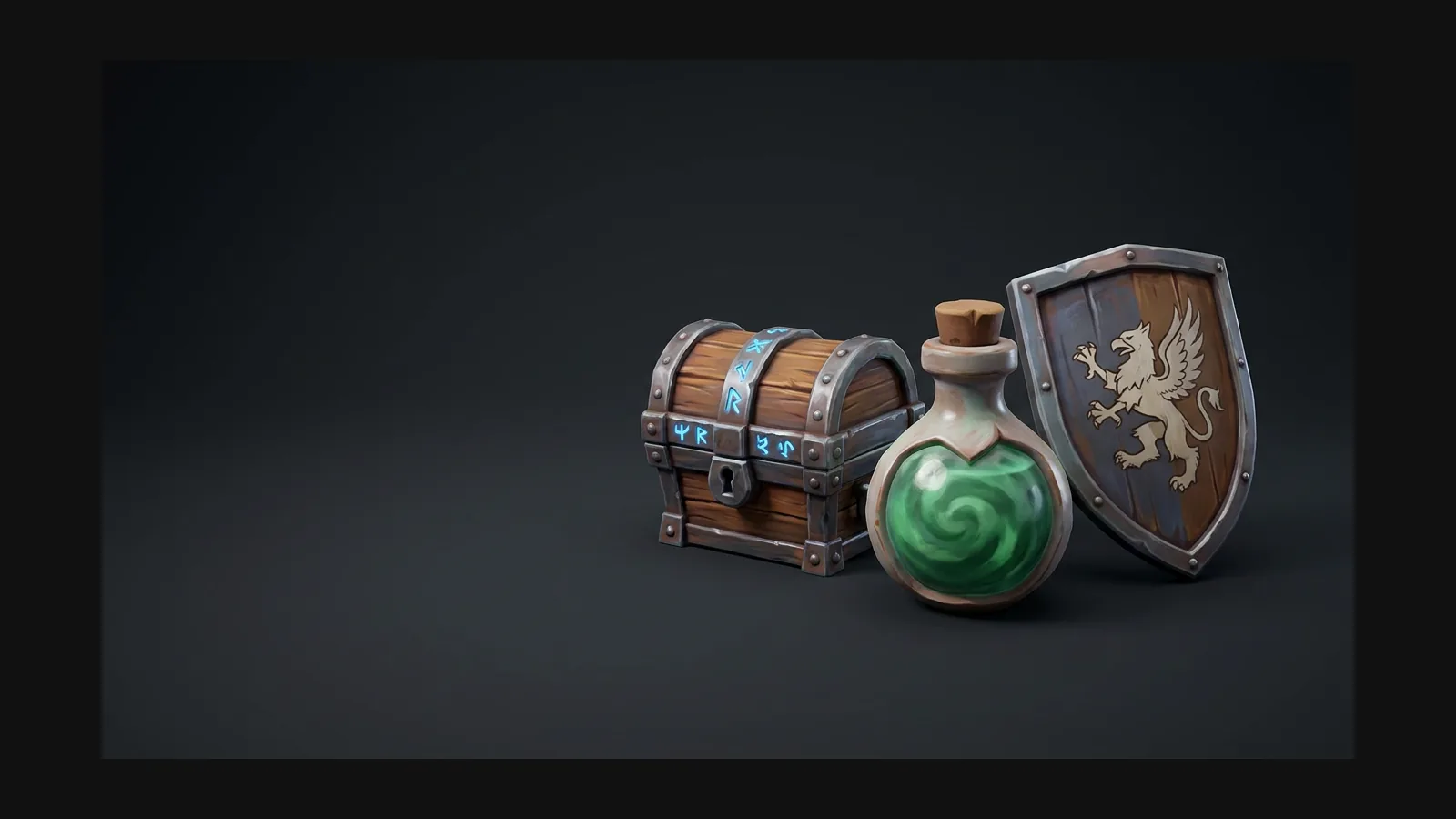
مرسومة يدويًا 3D model generator hero image

ارسم القوام، لا الشبكة فقط

The hand-painted look lives in the diffuse map. Generate your mesh with Rodin, then feed the OmniCraft texture tool a painterly reference — a Blizzard-style prop study, a gouache swatch — and it repaints the whole surface in that language.

Open the AI Texture tool

ما الذي يجعل النموذج يبدو مرسومًا يدويًا

Three rules from the WoW and Dota 2 texture tradition. Bake them into your prompts and reference images and the style follows.

Light lives in the diffuse map

Highlights, ambient occlusion, and rim light are painted into the color texture itself, so the asset looks finished even in a flat, unlit viewport — the trick that let WoW run on 2004 hardware.

Exaggerated, chunky forms

Oversized bevels, thick planks, swollen rivets. Painterly strokes need surface area to breathe, so prompt for silhouettes 20% chunkier than real life and let the remesh stage keep edges soft.

Visible brushwork, no noise

Hand-painted surfaces shift hue inside a single material — wood that drifts from ochre to violet in the shadows. Ask for gradient ramps and hue shifts instead of photo grain or procedural noise.

كيفية إنشاء نماذج 3D مرسومة يدويًا

Mesh first, paint second — the same order a studio texture artist works in, minus the week of UV painting.

1

Prompt or drop a painterly reference

Describe the prop with style words — "stylized, hand-painted, chunky proportions" — or drop a concept painting. A single strong reference beats five conflicting ones.
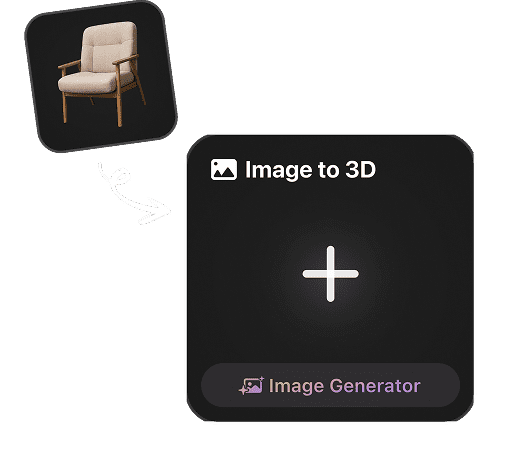
Upload a painterly reference or write a style prompt
2

Generate the mesh with Rodin

Rodin builds the geometry and a first texture pass. Check the silhouette in the viewport — chunky reads, thin breaks. Regenerate or adjust the prompt until the shape holds.

AI generates the 3D mesh from the reference
3

Repaint, remesh, export

Push the diffuse further in the OmniCraft texture tool with a painterly reference, drop the polycount with remesh, then export GLB for web or FBX for Unity and Unreal.

Preview, repaint textures, and export the hand-painted model

وصفات أوامر للأصول المرسومة

Copy these into Rodin as-is, then swap the subject. The style vocabulary is what does the work.

Tavern prop

"Hand-painted fantasy tavern mug, WoW style, chunky silhouette, painted diffuse only, warm ochre wood with violet shadow tints, exaggerated wear on the rim, no photorealism"

Stylized weapon

"Stylized hand-painted battle axe, oversized head, thick bevels, painted metal with blue-grey hue shifts and gold trim, visible brushwork, baked rim light, game-ready prop"

Environment piece

"Hand-painted mossy stone archway, stylized MMO environment asset, soft painted gradients from teal shadow to warm sunlit top, chunky cracked blocks, low detail noise, tileable feel"

نماذج 3D مرسومة يدويًا: الأسئلة الشائعة

Style rules, texture workflow, polycounts, and export formats for painterly assets.

What is a hand-painted 3D style?

A stylization where all lighting and material detail is painted into the diffuse texture instead of computed by shaders — the look of World of Warcraft, Dota 2, and most stylized mobile games. It reads clearly at any distance and runs on anything.

How do I get WoW-style textures from the AI?

Two levers: prompt vocabulary and reference images. Use phrases like "painted diffuse, visible brushwork, hue-shifted shadows" in [Rodin](https://hyper3d.ai/workspace/rodin), then run the result through the AI texture generator with a painterly reference image to push the brushwork harder.

Do hand-painted models need PBR maps?

Usually no. The classic look is diffuse-only, which keeps file size tiny. A hybrid is popular too: painted diffuse plus a light normal map for edge highlights. Hyper3D exports both, so you can ship whichever your engine and art direction want.

Which export settings suit hand-painted assets?

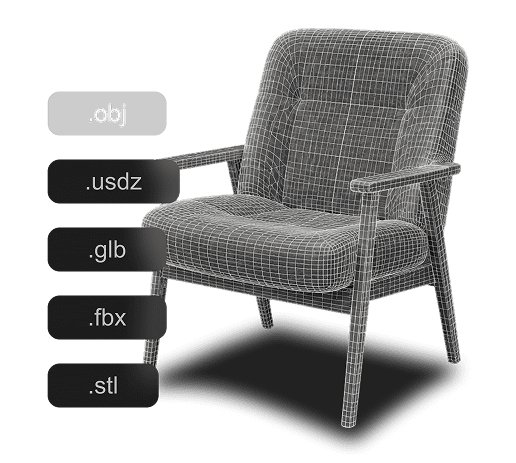
GLB with a single 1K or 2K diffuse for web and mobile; FBX or OBJ for Unity, Unreal, and Blender. Because detail lives in the texture, you can remesh aggressively — most props hold up well under 10k triangles.

Can I repaint a model I already have?

Yes. Upload your mesh to the OmniCraft texture tool, add a painterly reference image, and it generates a new hand-painted texture set on your existing UVs — a quick way to restyle marketplace or photogrammetry assets.

What polycount should I target?

Lower than you think. Hand-painted style was invented for low budgets: 2-8k triangles for props, 15-30k for hero characters. Generate at full detail, then let remesh do the reduction so the painted texture keeps carrying the detail.

موثوق لدى صناع أصول 3D حقيقية

يستخدم المبدعون Hyper3D لتحويل مراجع وأوامر مرسومة يدويًا إلى نماذج 3D قابلة للتحرير والتصدير.

AI 3D just hit a new threshold. Rodin Gen-2.5: Geometry in ~4s, full model in ~5s, 10M+ polygons, clean structure, production-ready outputs. This is the moment AI 3D becomes an actual pipeline tool.

Sabir Hussain

Sabir Hussain

AI & Tech Enthusiast

Tested Rodin Gen-2.5 from Hyper 3D. Cleaner meshes, sharper surface detail, stronger multi-angle coherence. The results feel much closer to something you’d actually keep iterating on inside a real workflow.

BubbleBrain

BubbleBrain

AI Enthusiast

Rodin Gen 2.5 is a game-changer. 10M+ polygons, 3D-native textures, and seriously good results on complex high-poly models. Production-ready assets just got a lot closer.

Lagerskoy

Lagerskoy

Hunter & Builder

ارسم نموذجك ثلاثي الأبعاد الأول

Prompt Rodin, repaint the diffuse in the OmniCraft texture tool, and export a game-ready painterly asset in one sitting.