




OBJ / FBX — surfacing reference
Import into Blender, Maya, or Alias as an underlay. The surfacing team models against it instead of interpreting a sketch.
حوّل رسمًا تخطيطيًا أو صورة مرجعية إلى نموذج سيارة 3D بخامات خلال دقائق. كرر النسب مبكرًا ثم صدّر OBJ أو FBX أو GLB إلى خط العمل لديك.
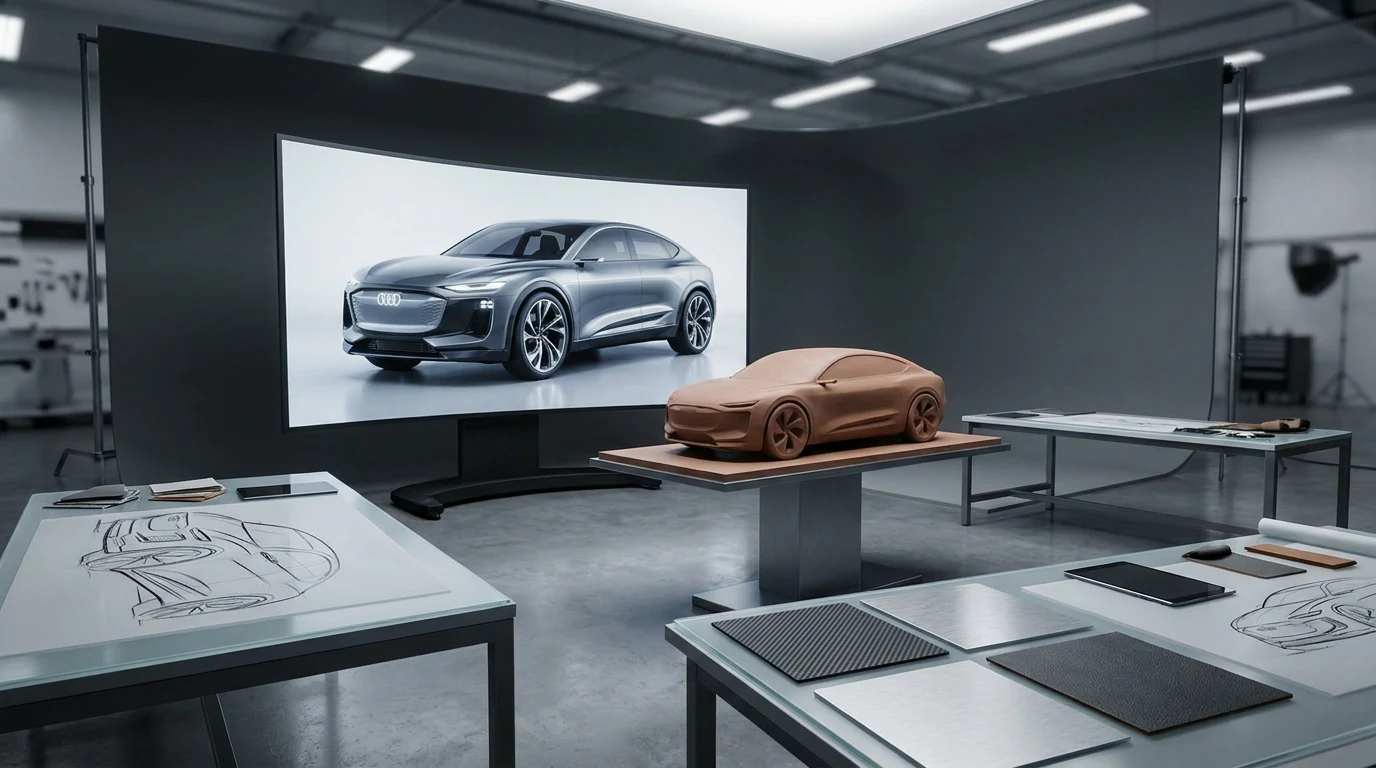
Theme development lives or dies on how many directions you can put in front of the room. A body-side sketch says a lot, but reviews get decided in 3D. Wheelbase, overhangs, greenhouse taper, the way a shoulder line catches light — none of it reads reliably on paper.
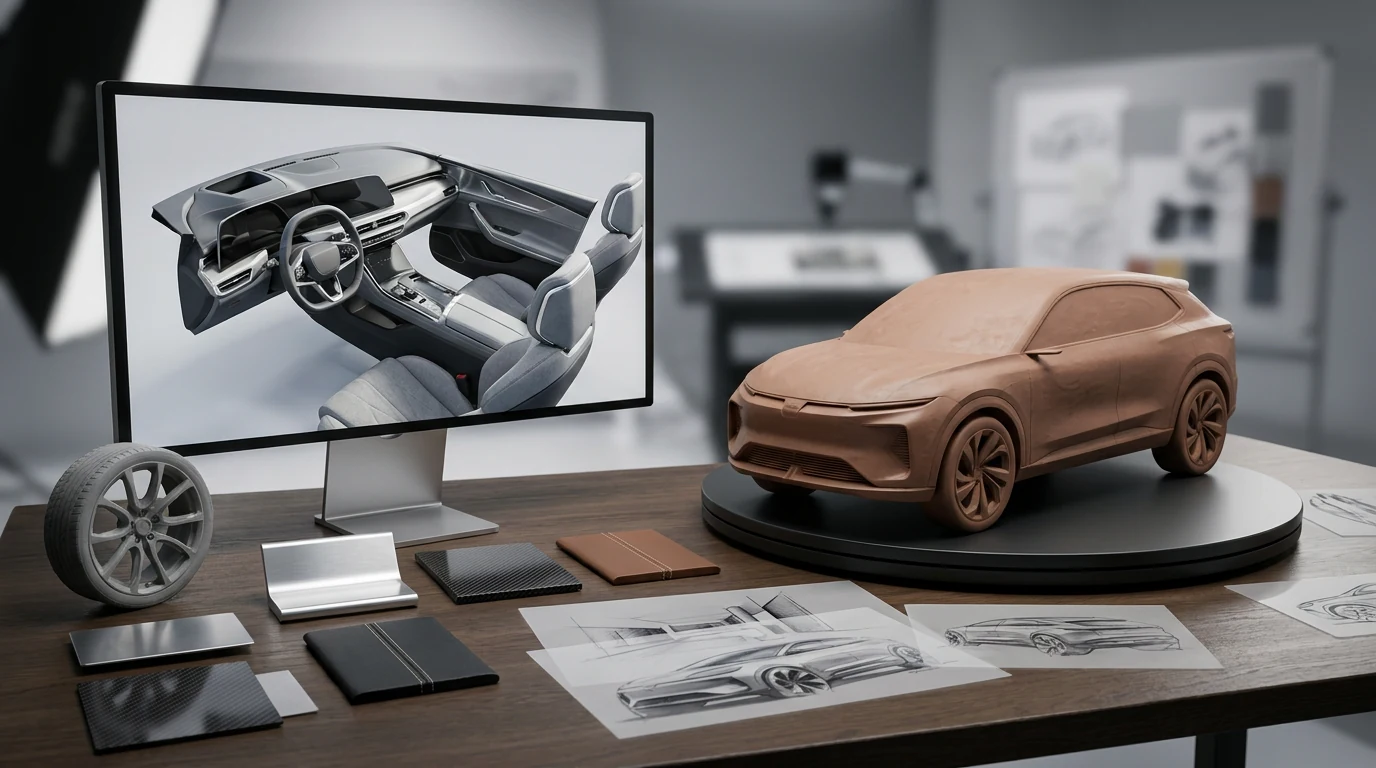
Three steps between a reference and something you can spin in a review — with no modeling queue in the middle.
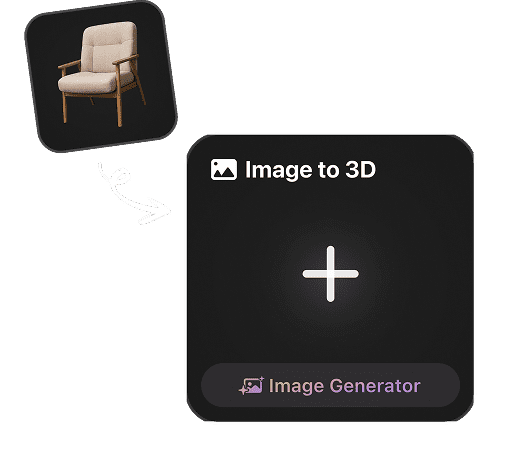
Rodin works from a single image without requiring a prescribed pose or camera angle. Multi-view input is optional and provides additional visual guidance when available.
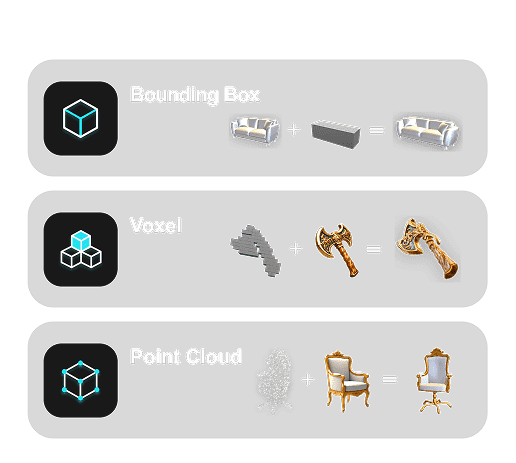
Rodin builds a watertight mesh with PBR materials — paint, glass, and tires read correctly on a turntable within minutes.
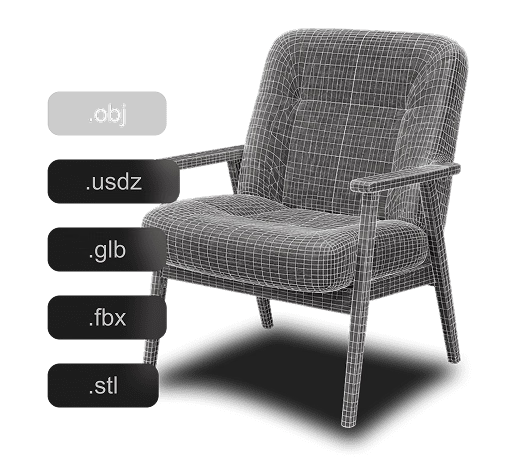
Export OBJ, FBX, GLB, USDZ, or STL from the same asset for flexible design, web, AR, and 3D-printing workflows.


Support automotive concept exploration with high-quality 3D assets for visual iteration and review.
Put five body-side directions on a turntable before a modeler books time. Judge stance, proportion, and DLO in 3D, not on paper.
Rodin generates clean topology across supported workflows. OmniCraft separately provides optional retopology, voxel remeshing, decimation, and smoothing controls for creative changes or destination-specific optimization.
Rodin generates clean topology across supported workflows. OmniCraft separately provides optional retopology, voxel remeshing, decimation, and smoothing controls for creative changes or destination-specific optimization.
Export watertight, 3D-printing-ready meshes directly to STL for streamlined scale-model production.
Export the same high-quality generated asset in multiple standard 3D formats.
Import into Blender, Maya, or Alias as an underlay. The surfacing team models against it instead of interpreting a sketch.
High-quality geometry and PBR textures for polished web 3D experiences.
Review high-quality automotive 3D concepts at real-world scale in supported immersive AR workflows.
Watertight output for slicers. A 1:24 desk study prints overnight on a desktop FDM machine.
Rodin-generated assets include a complete PBR texture set: Base Color, Normal, Metallic, Roughness, Ambient Occlusion, Opacity, Emissive, and Height.
Rodin generates clean topology across supported workflows. OmniCraft separately provides optional retopology, voxel remeshing, decimation, and smoothing controls for creative changes or destination-specific optimization.
Practical guidance for high-quality geometry, efficient poly budgets, and strong reference images.