3D NFT oluşturucu AI ile 3D NFT sanatı üretin

Eskizden, PFP'den veya prompttan 3D NFT sanatı üretin. Tek taban mesh'i koruyun, katmana göre trait kaplamaları değiştirin, hafif GLB dosyaları dışa aktarın.

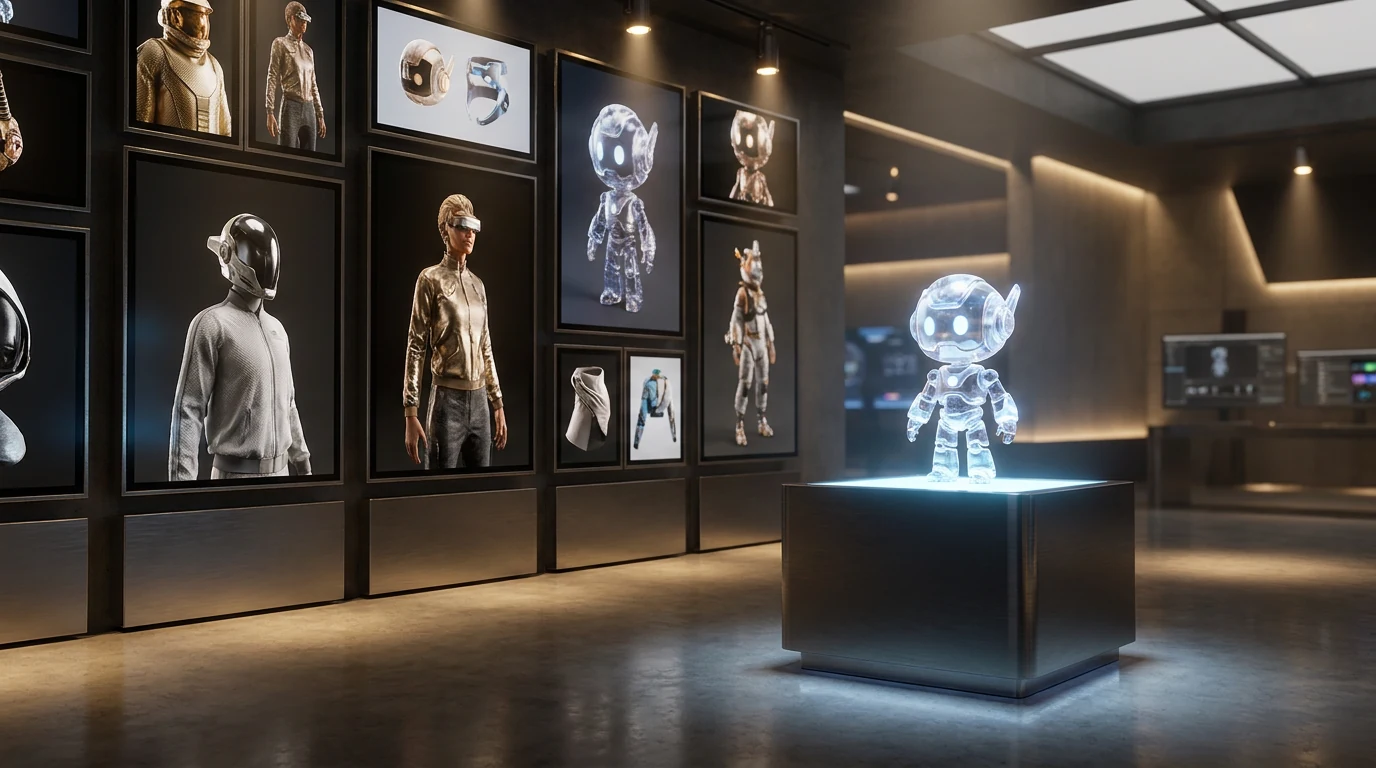
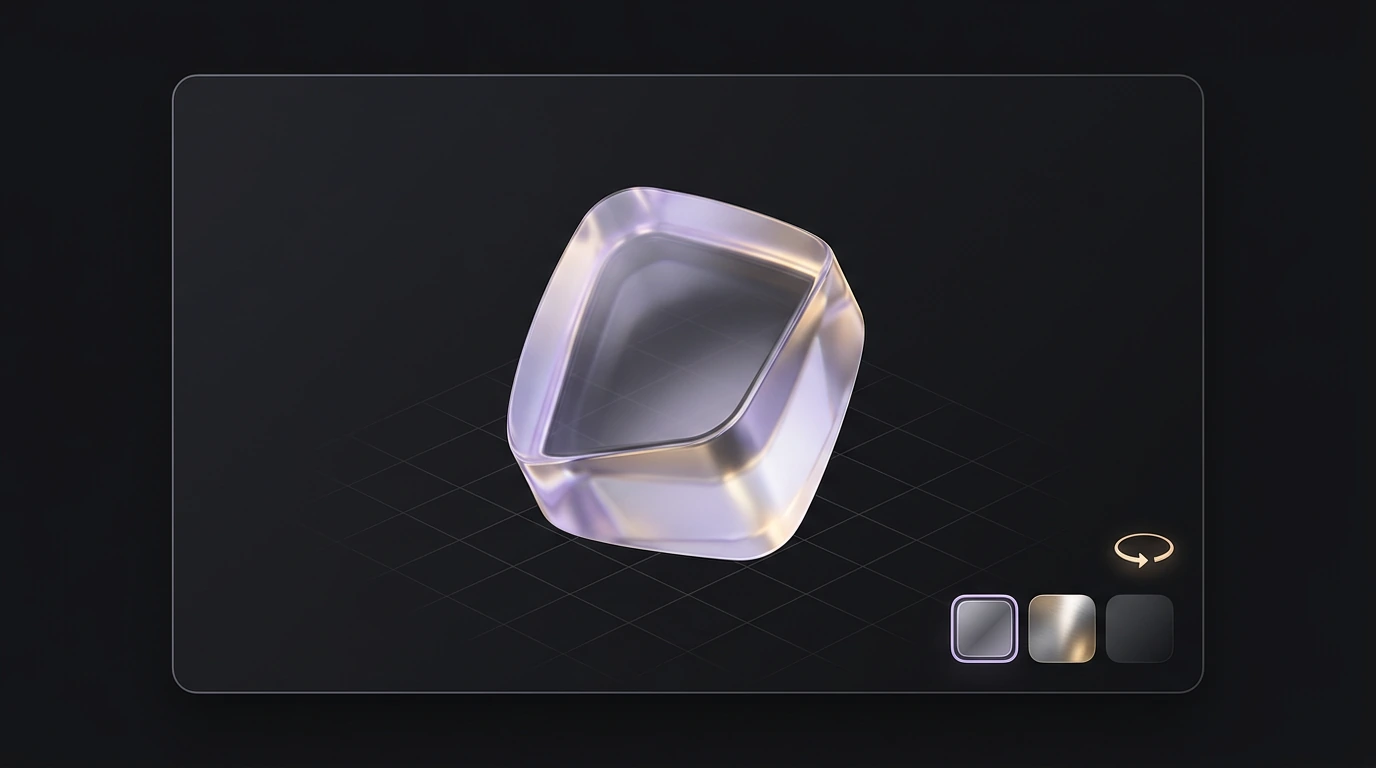
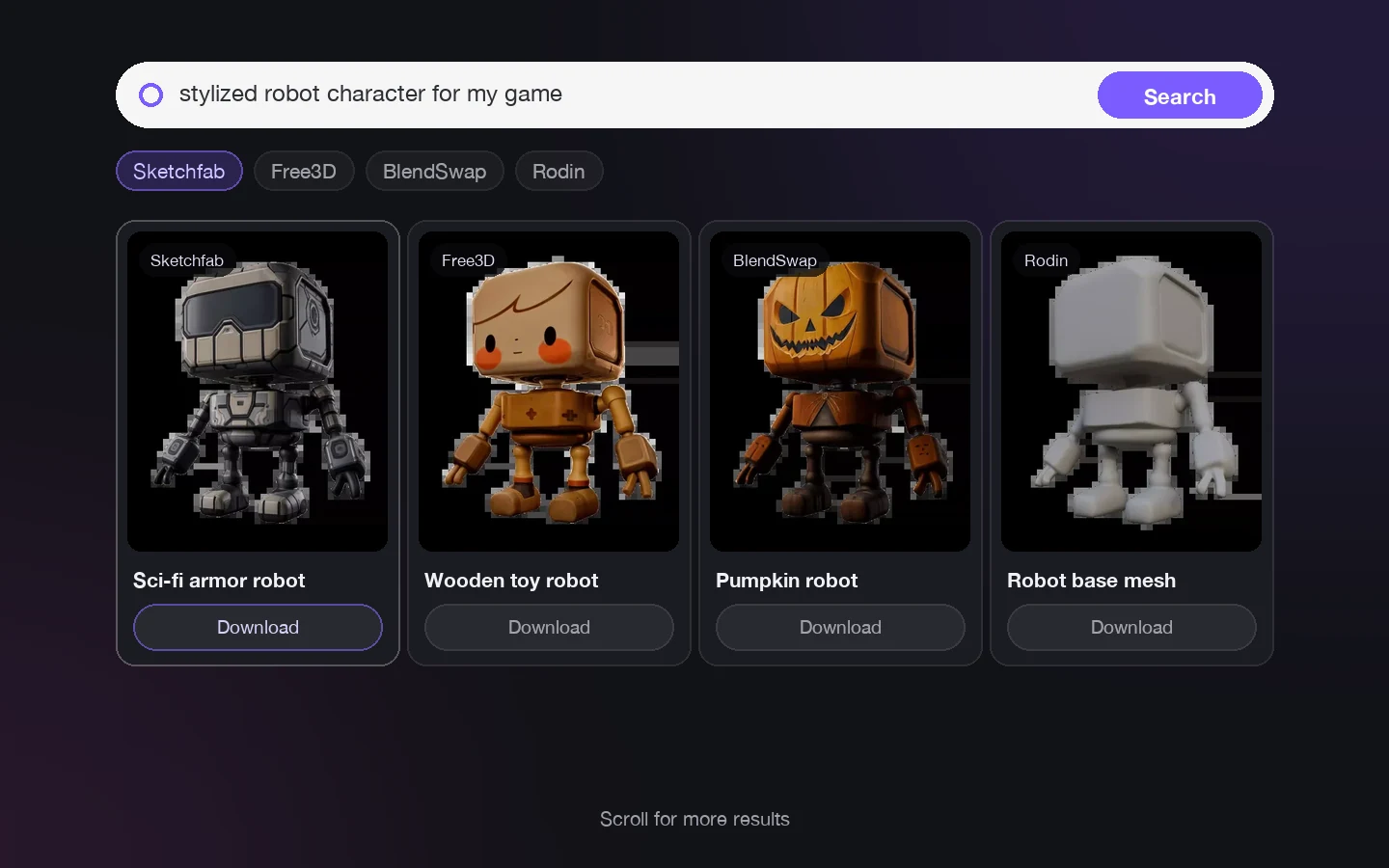
3D NFT creator preview — AI-generated 3D character model for an NFT collection

Hyper3D ile 3D NFT sanatı nasıl üretilir

Model the hero once. After that, the collection is a texture problem, not a modeling problem — and texture problems scale.

  1. Step 1 · Reference
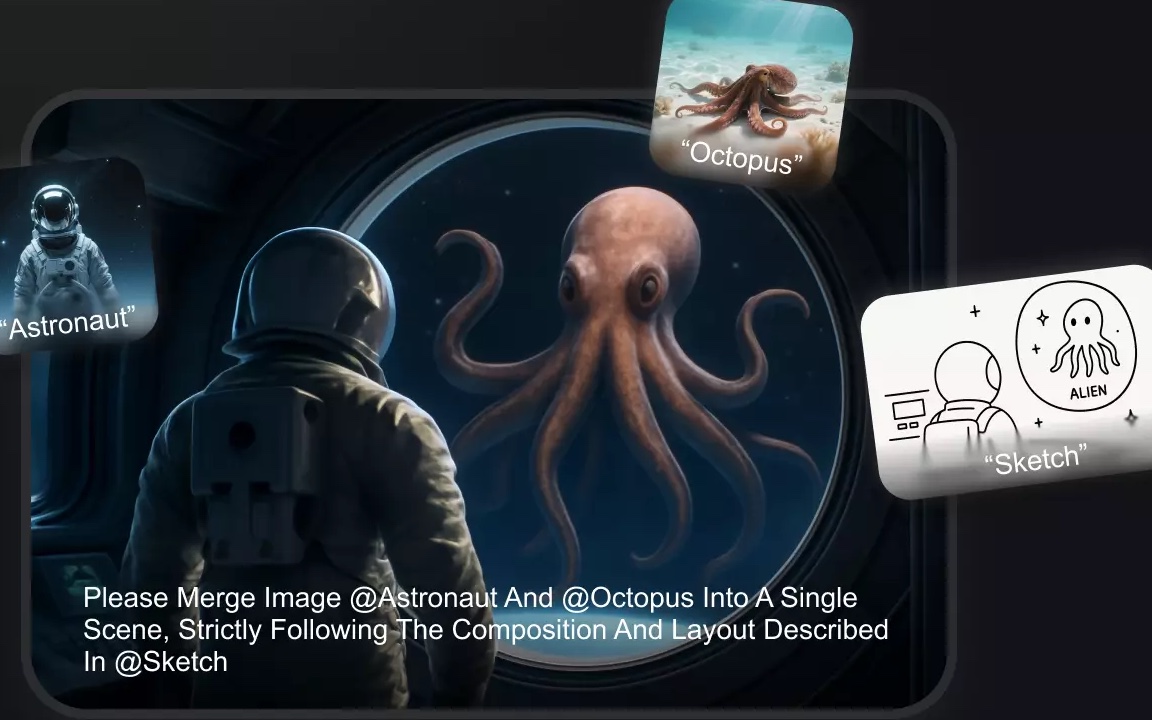
    Reference images and a text prompt combined into one trait recipe in OmniCraft Remix

    Feed it the concept

    Drop in concept art, an existing PFP, or a rough sketch — or skip images entirely and describe the character in a Rodin text prompt.

    PNG / JPG refs · or a text prompt
  2. Step 2 · Generate
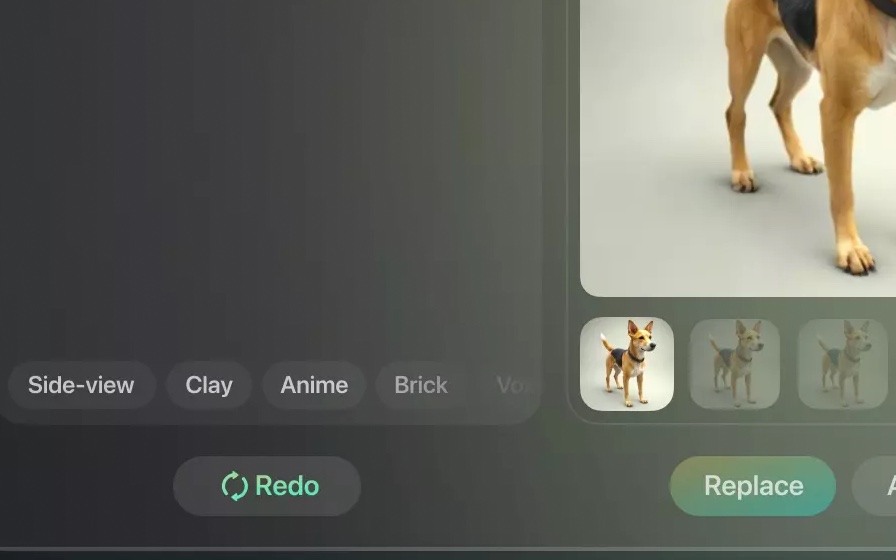
    Generated 3D model draft with variant thumbnails and redo controls in the Hyper3D workspace

    Pick the strongest draft

    Rodin returns a textured base mesh with PBR maps. Redo until the silhouette reads at thumbnail size — that is the view collectors judge first.

    Textured mesh · PBR maps
  3. Step 3 · Traits
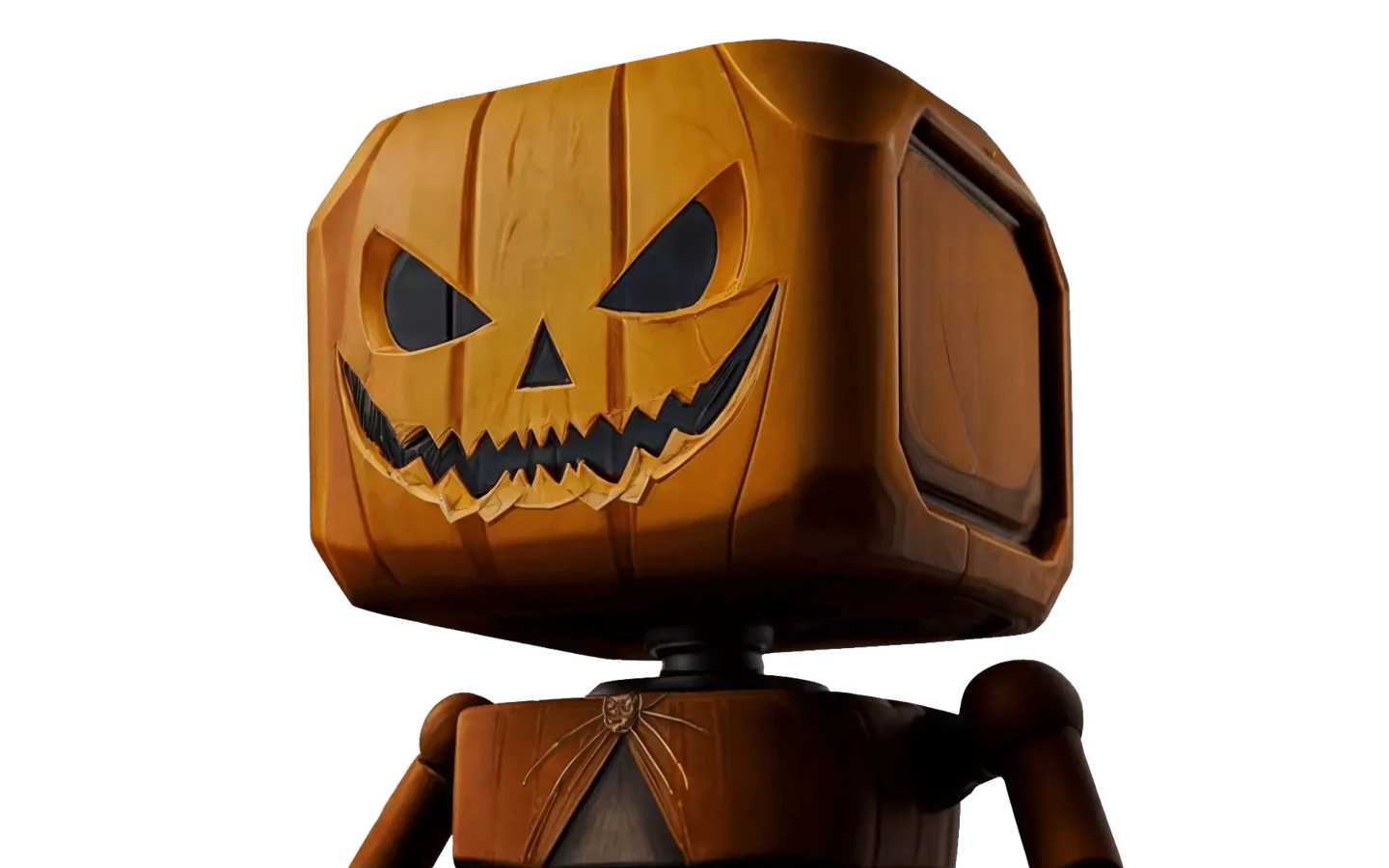
    Pumpkin trait skin applied to the shared robot base mesh with the AI texture generator

    Skin the rarity tiers

    Keep the geometry, swap the material story. OmniCraft's texture tools lay fresh PBR maps on the same mesh for every trait tier.

    Same mesh · new PBR maps
  4. Step 4 · Export
    Web 3D viewer inspecting a generated model with material presets before GLB export

    Ship a lean GLB

    Inspect scale and materials in the web viewer, thin out heavy geometry, then export GLB — or USDZ, OBJ, FBX, STL when the drop calls for it.

    GLB · USDZ · OBJ · FBX · STL

Tek taban mesh, komple nadirlik merdiveni

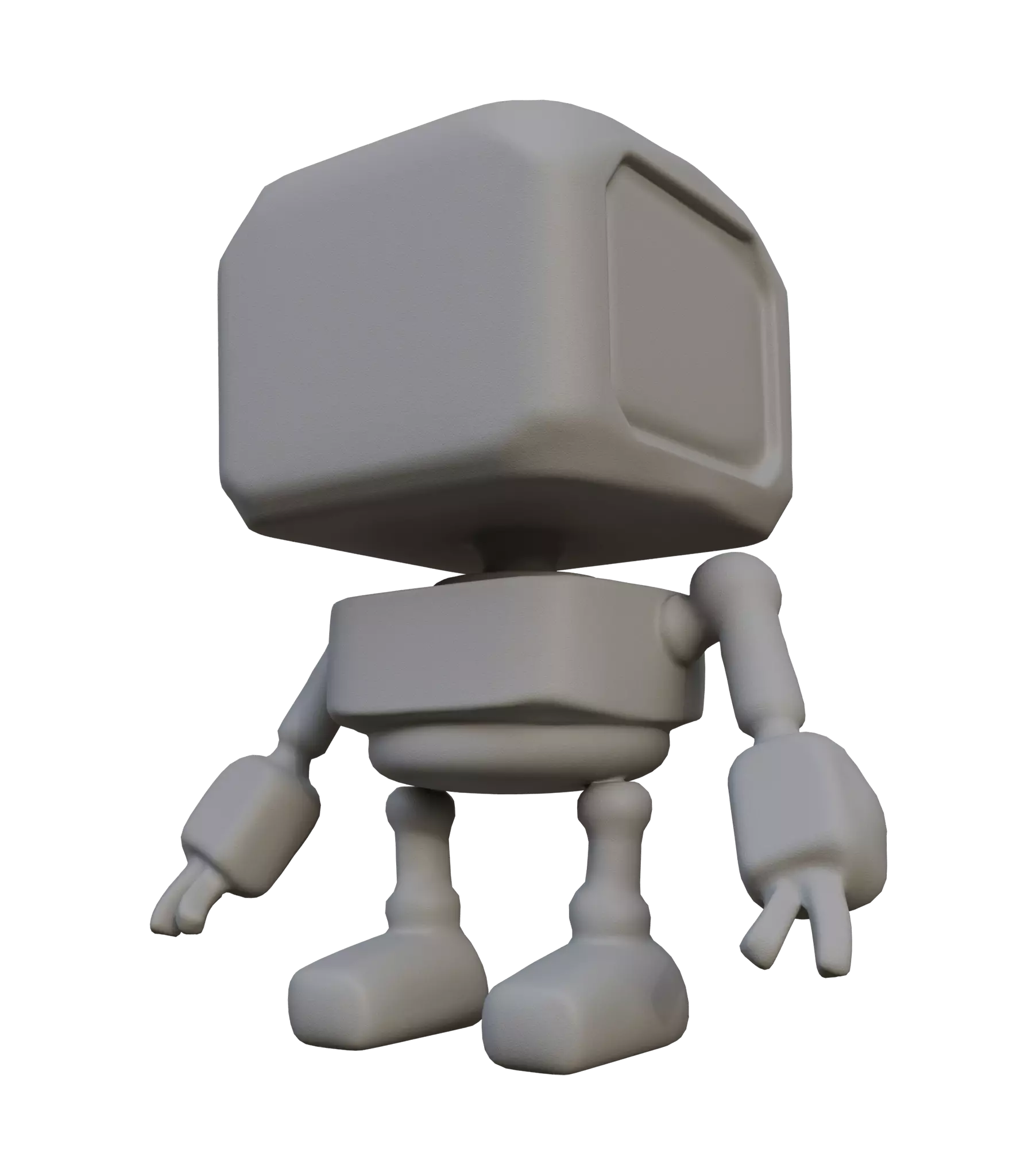
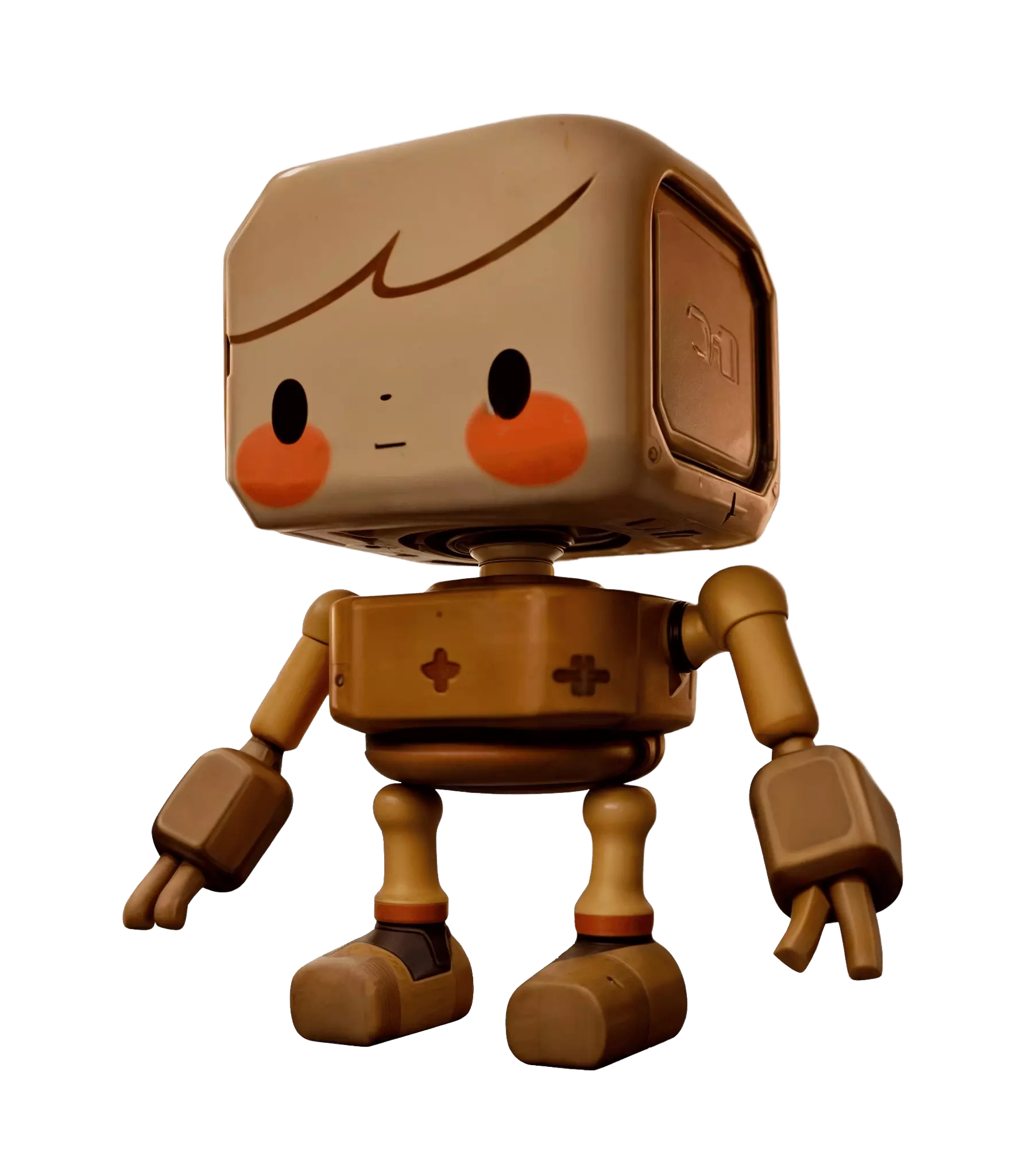
These four robots share a single Rodin base mesh. Each tier is a texture pass, not a re-model — that difference is the entire economics of a 3D collection.

Common — the base mesh
Common — the base mesh

Generated once from a prompt. Clean topology, neutral finish, ready to carry every skin in the set.

Uncommon — wooden toy
Uncommon — wooden toy

A warm hand-painted look from one pass in the AI texture generator. The geometry never moved.

Rare — pumpkin king
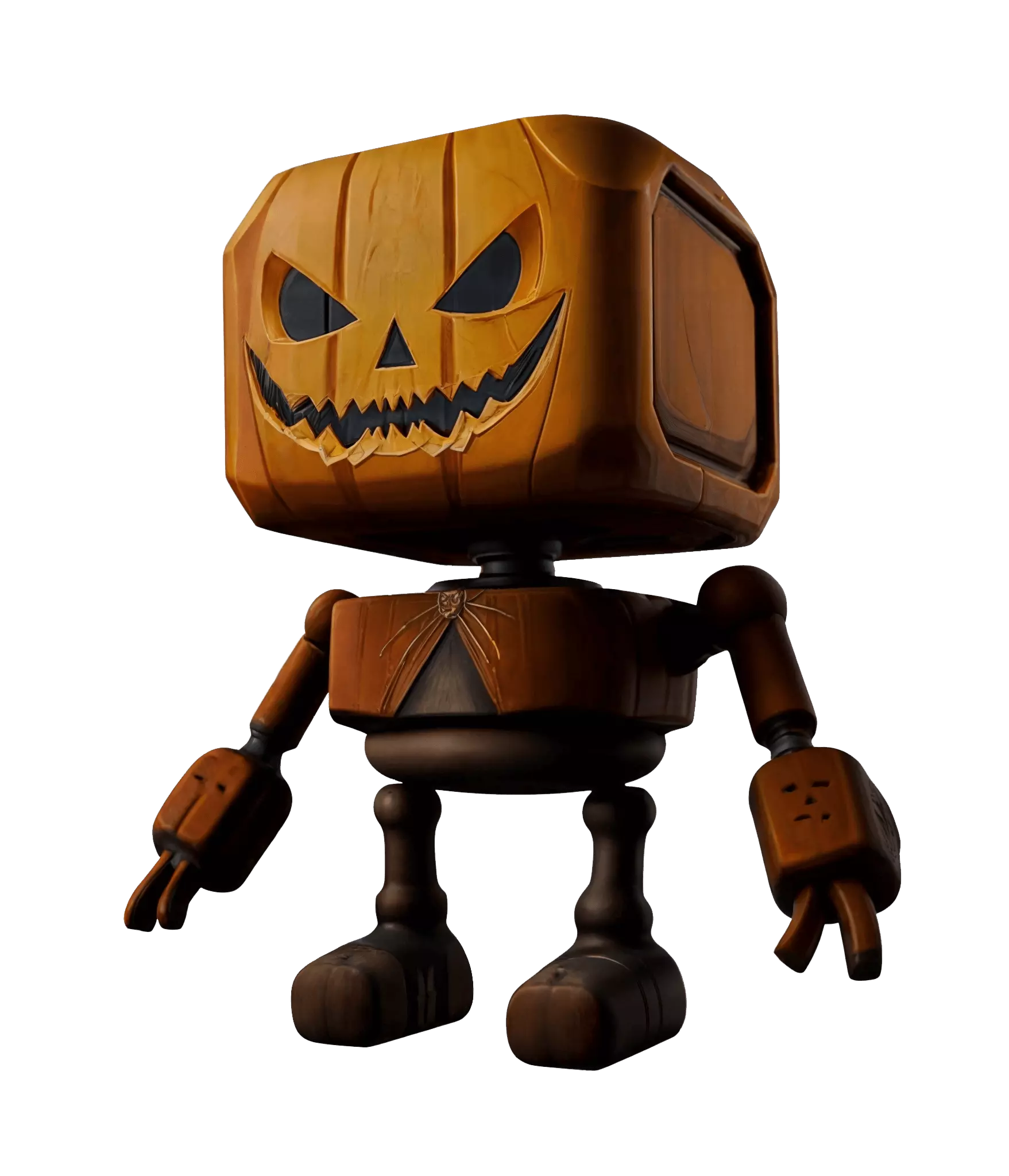
Rare — pumpkin king

Remix reference art into a seasonal trait recipe, then lay it onto the same mesh as new PBR maps.

Legendary — sci-fi armor
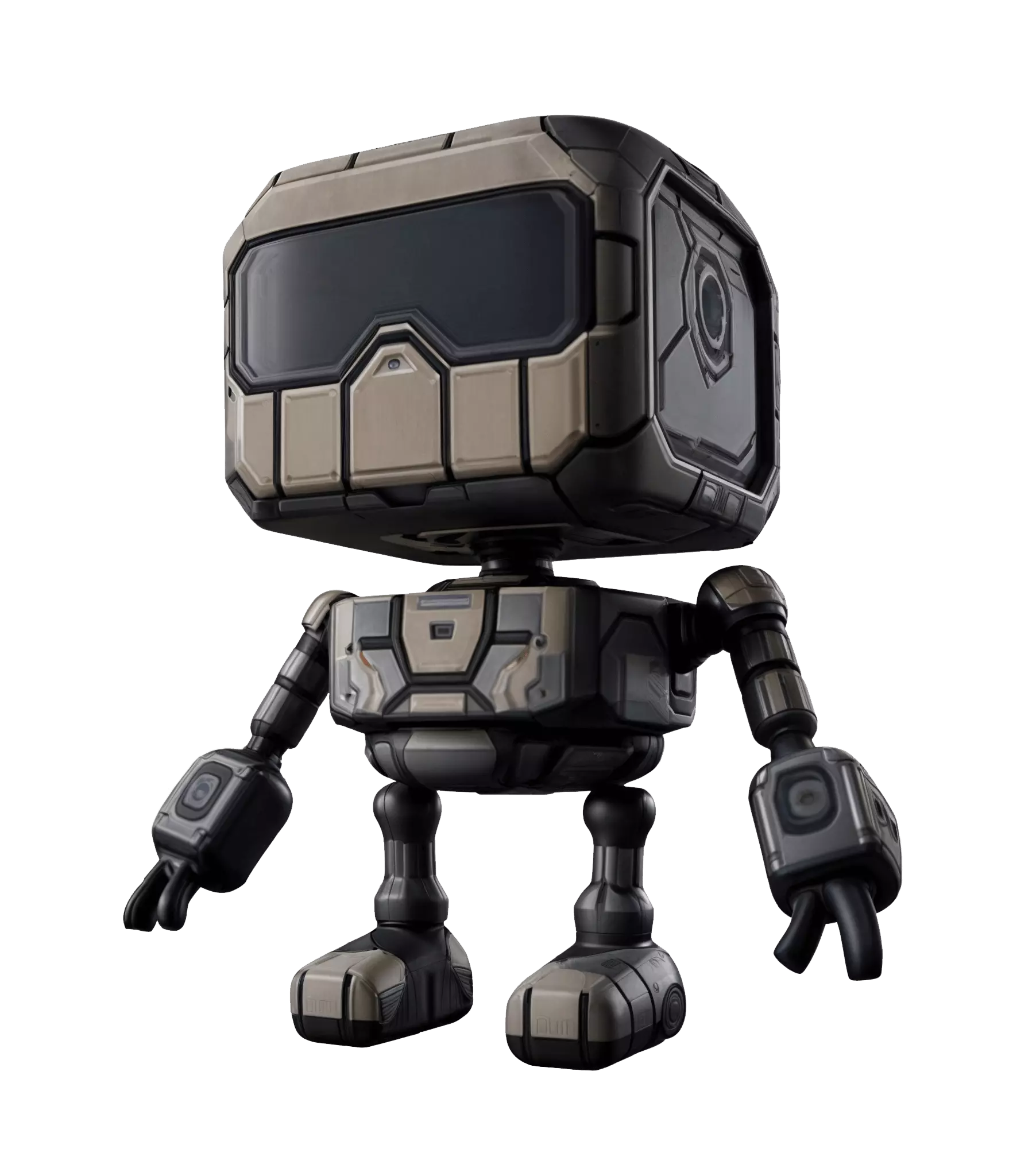
Legendary — sci-fi armor

Top tier earns geometry: sculpt extra plating in the mesh editor before the final texture pass.

Mint gününde neler olur

Nothing, here — and that is the point. Hyper3D is a 3D NFT maker in the literal sense: it makes the 3D. Image-to-3D and text-to-3D generation, retexturing, mesh cleanup, and format conversion — the part that turns an idea into a file worth collecting.

Generate the asset
Generate the asset

3D NFT'niz bundan sonra nereye gider

GLB is the master file; everything else is a derivative. Four paths a finished token file usually takes.

3D NFT'niz bundan sonra nereye gider visual

Güvenilir gerçek 3D işler çıkaran üreticilerce

Field notes on Rodin Gen-2.5 — the same generation stack a collection here would run on.

AI 3D just hit a new threshold. Rodin Gen-2.5: Geometry in ~4s, full model in ~5s, 10M+ polygons, clean structure, production-ready outputs. This is the moment AI 3D becomes an actual pipeline tool.

Sabir Hussain

Sabir Hussain

AI & Tech Enthusiast

Tested Rodin Gen-2.5 from Hyper 3D. Cleaner meshes, sharper surface detail, stronger multi-angle coherence. The results feel much closer to something you’d actually keep iterating on inside a real workflow.

BubbleBrain

BubbleBrain

AI Enthusiast

Rodin Gen 2.5 is a game-changer. 10M+ polygons, 3D-native textures, and seriously good results on complex high-poly models. Production-ready assets just got a lot closer.

Lagerskoy

Lagerskoy

Hunter & Builder

3D NFT soruları, net yanıtlar

The mint question, the format question, the file-size question — answered the way you would answer a fellow artist.

Does Hyper3D mint NFTs?

No. Hyper3D generates and edits the 3D asset — the file you upload wherever you mint. Wallets, smart contracts, gas, and listings stay with your marketplace or launchpad.

Which format do 3D NFT marketplaces accept?

GLB is the safe default: major marketplaces render GLB and GLTF in their built-in 3D viewers, and some accept USDZ for AR. Check your platform's file-size cap before exporting.

How do I build variations for a 3D NFT collection?

Keep one base mesh and change everything around it. Retexture per rarity tier with the AI texture generator, remix reference art into new trait recipes, and save geometry edits for top tiers.

Can I turn a 2D PFP collection into 3D NFT art?

Yes. Run the artwork through image to 3D. Clean silhouettes with a clear front view convert best; crop busy backgrounds out before generating.

Can I sell the models I generate?

Commercial use depends on your plan — read your account terms before a paid drop. Rights to the source images you feed in are on you too, which matters if you remix someone else's IP.

How heavy should an NFT GLB be?

A few megabytes. Collectors browse on phones, and a 100 MB flex never finishes loading in a gallery grid. Reduce polygons in the mesh tools and let baked PBR maps carry the detail.

Can my 3D NFT be animated?

Not straight out of the generator — Hyper3D outputs static meshes. Export FBX into Blender, rig and animate there, then re-export a GLB with the animation embedded; marketplace viewers will play it. Rig once and the character also works in game and metaverse scenes.

Can holders get a physical version?

Yes — export STL and print the piece as a collectible edition. The 3D printing workflow covers watertight checks, scale, and materials.

İlk 3D NFT'niz bir prompt uzağınızda

Generate the hero, skin the tiers, export the GLB. If it looks good spinning, it will look good selling.