




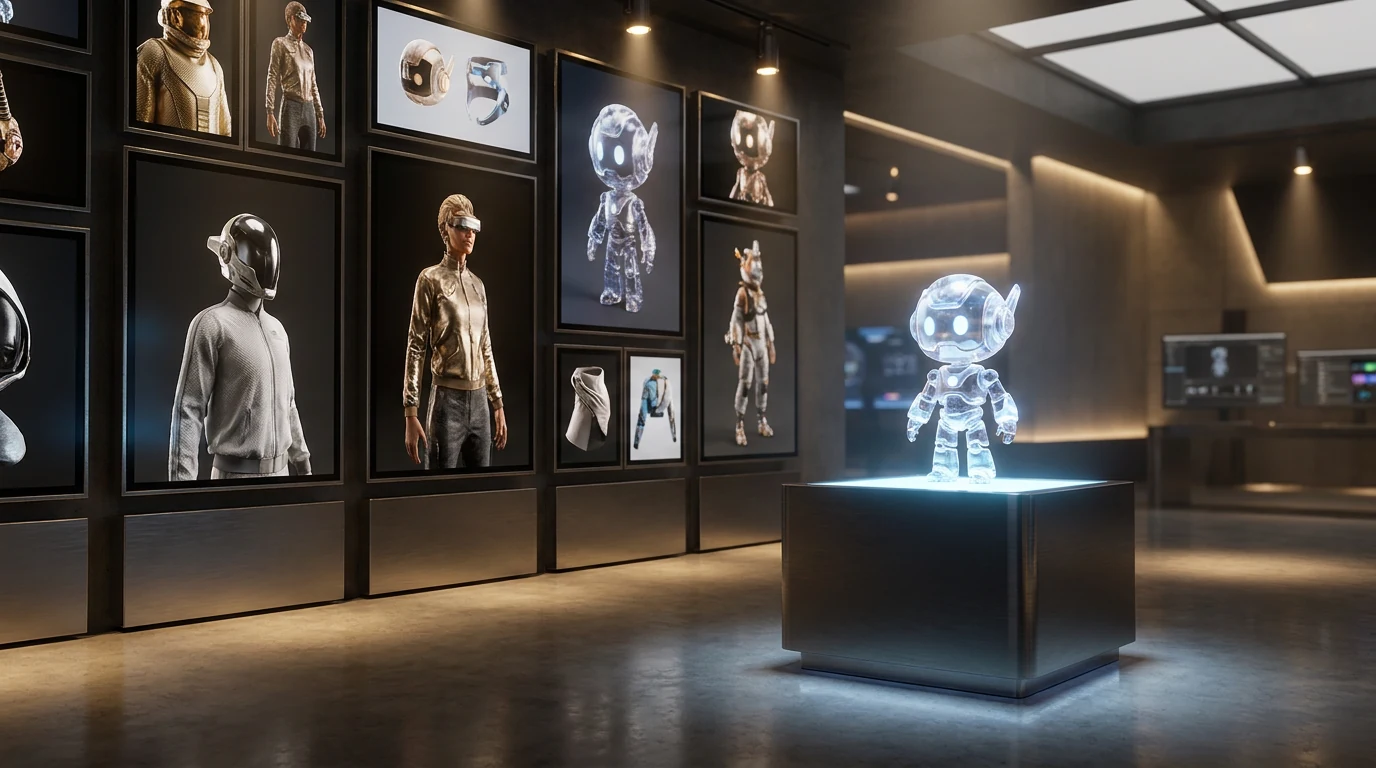
3D NFT 크리에이터 AI로 3D NFT 아트 생성
스케치, 프로필 이미지 또는 프롬프트를 기반으로 다양한 변형이 가능하고 표준 3D 내보내기 기능을 갖춘 고품질 3D 수집용 아트 작품을 제작하세요.
Hyper3D로 3D NFT 아트를 생성하는 방법
Model the hero once. After that, the collection is a texture problem, not a modeling problem — and texture problems scale.
- Step 1 · Reference
Feed it the concept
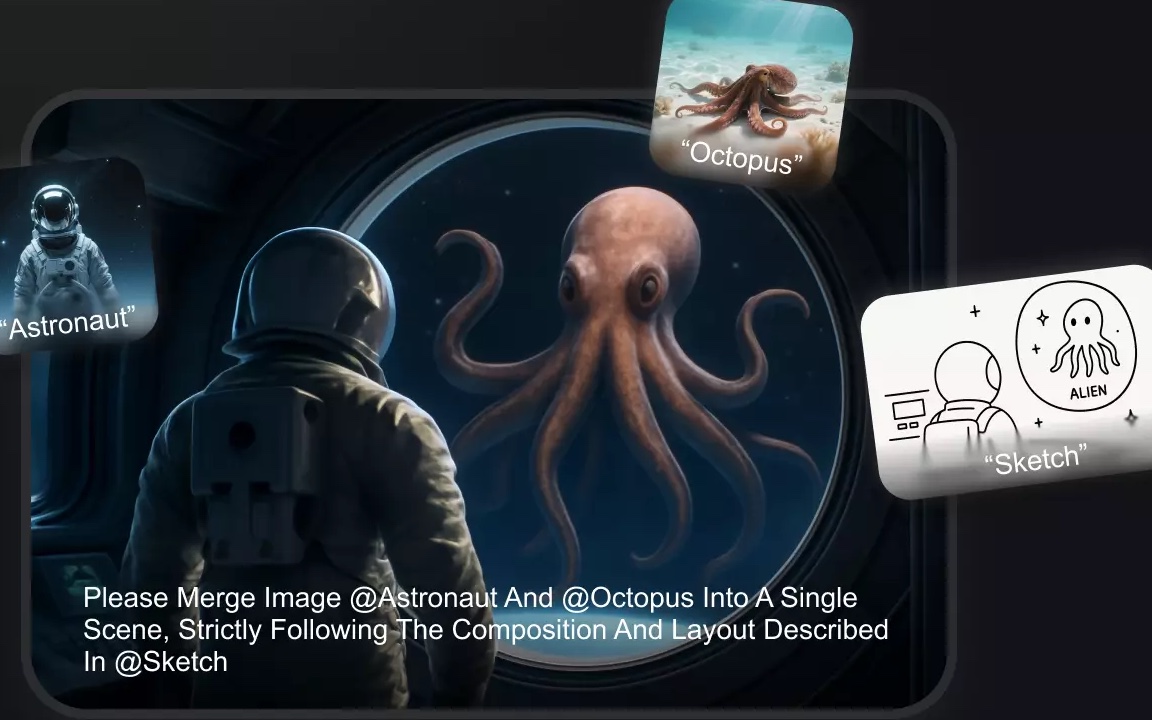
Drop in concept art, an existing PFP, or a rough sketch — or skip images entirely and describe the character in a Rodin text prompt.
- Step 2 · Generate
Choose a High-Quality Variant
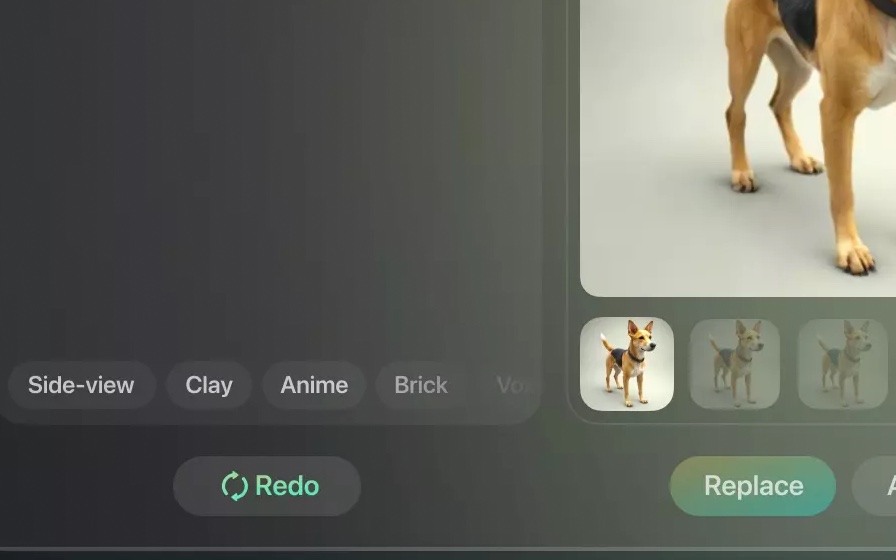
Rodin is designed for strong first-pass results.
- Step 3 · Traits
Skin the rarity tiers
Keep the geometry, swap the material story. OmniCraft's texture tools lay fresh PBR maps on the same mesh for every trait tier.
- Step 4 · Export
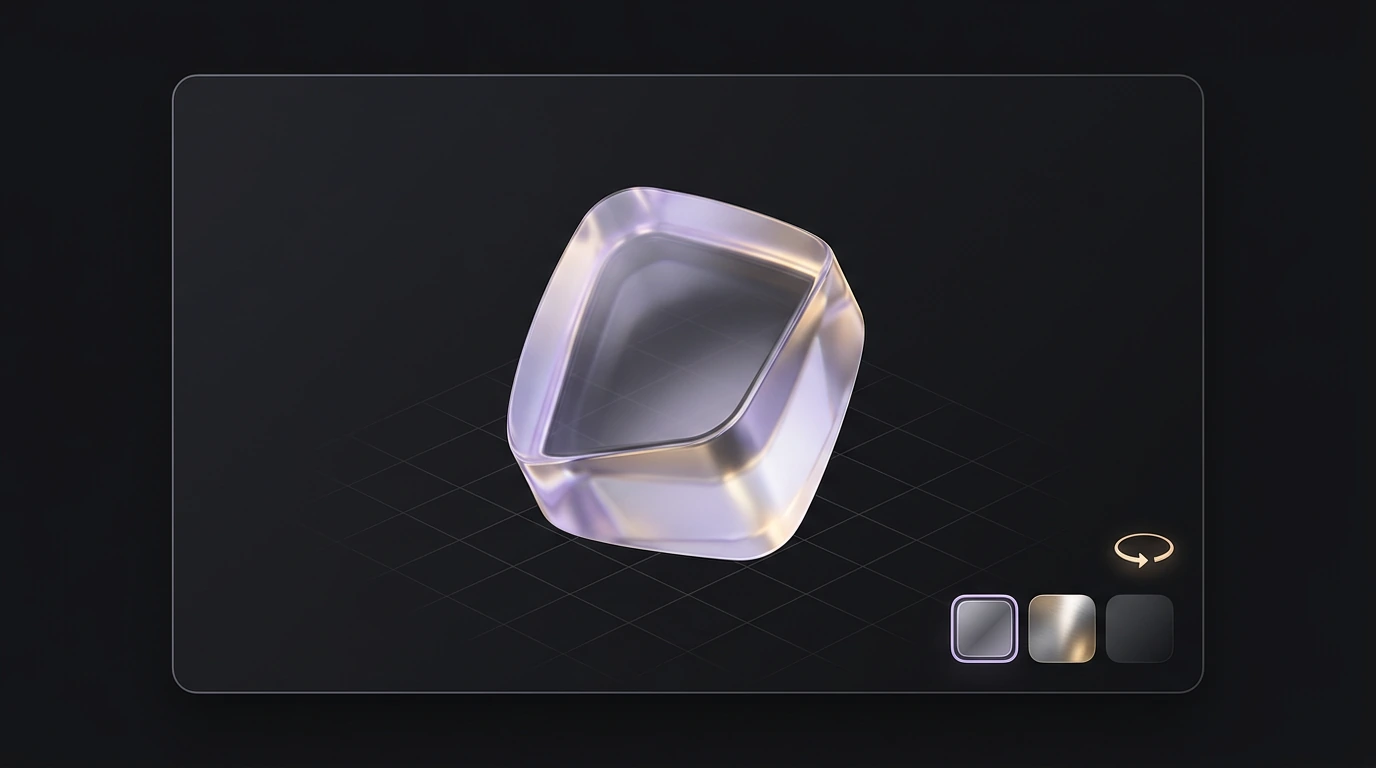
Ship a lean GLB
Rodin generates clean topology across supported workflows. OmniCraft separately provides optional retopology, voxel remeshing, decimation, and smoothing controls for creative changes or destination-specific optimization.
하나의 베이스 메시로 완성하는 레어리티 사다리
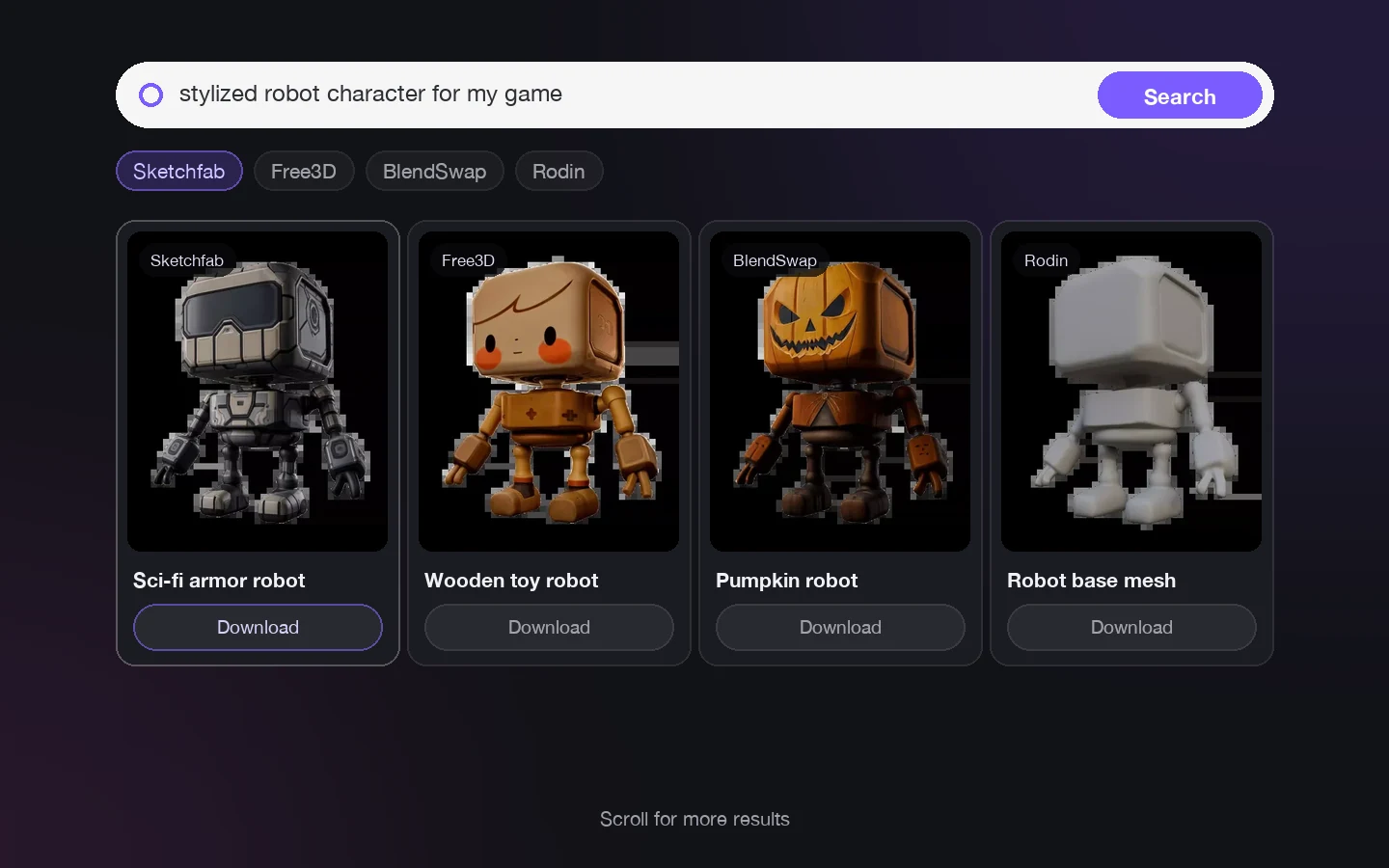
These four robots share a single Rodin base mesh. Each tier is a texture pass, not a re-model — that difference is the entire economics of a 3D collection.
Common — the base mesh 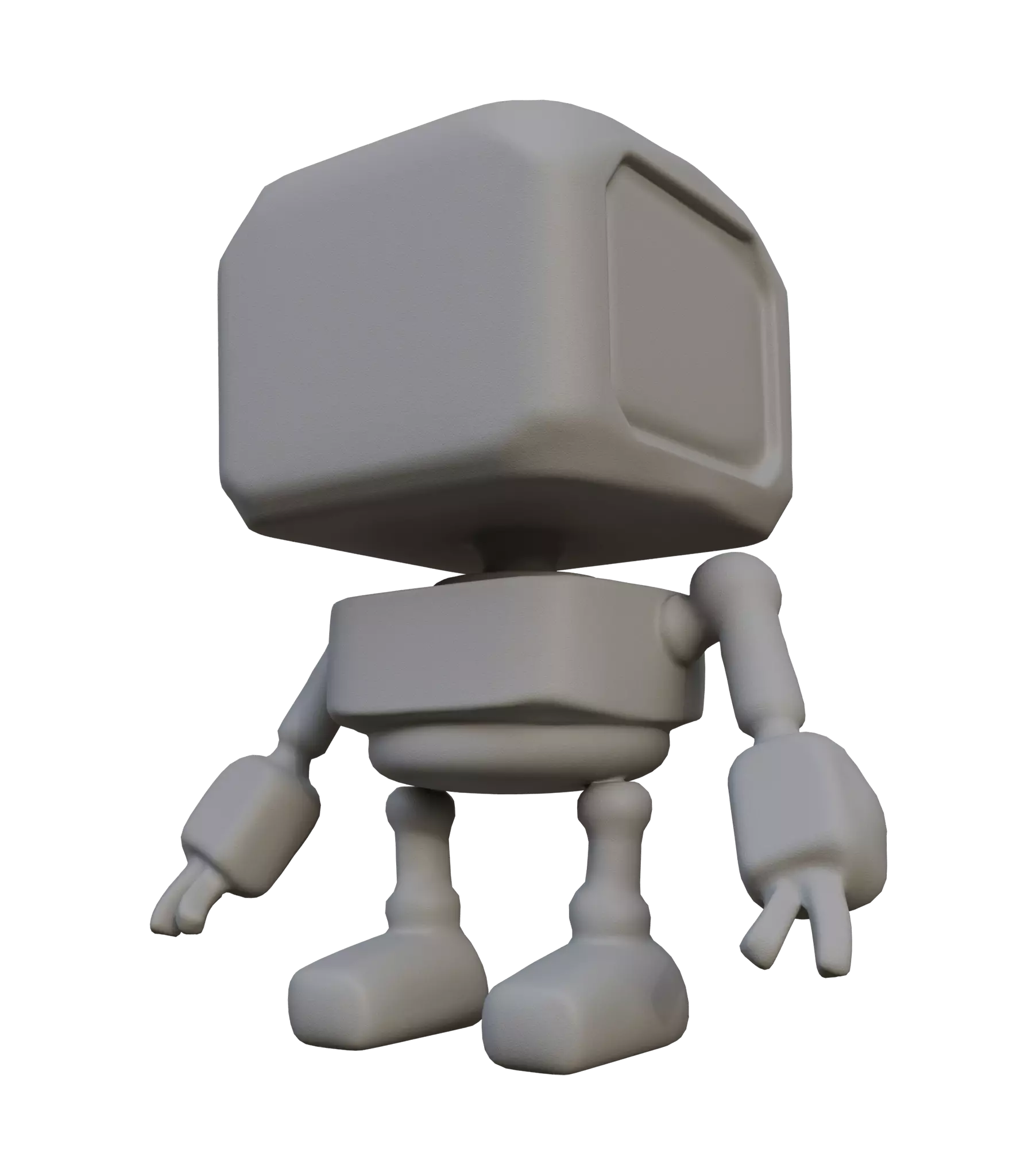
Common — the base mesh
Generated once from a prompt. Clean topology, neutral finish, ready to carry every skin in the set.
Uncommon — wooden toy 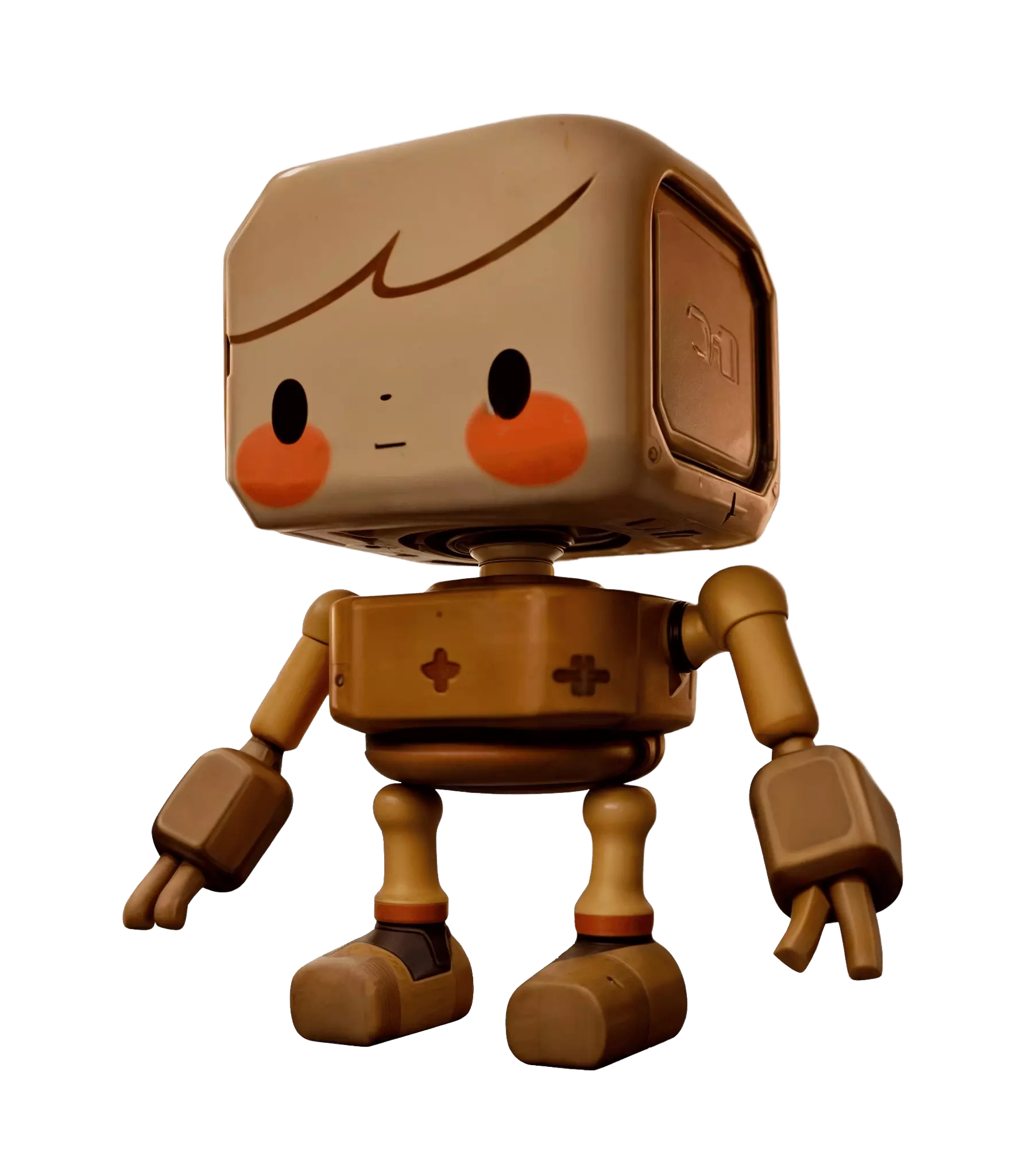
Uncommon — wooden toy
A warm hand-painted look from one pass in the AI texture generator. The geometry never moved.
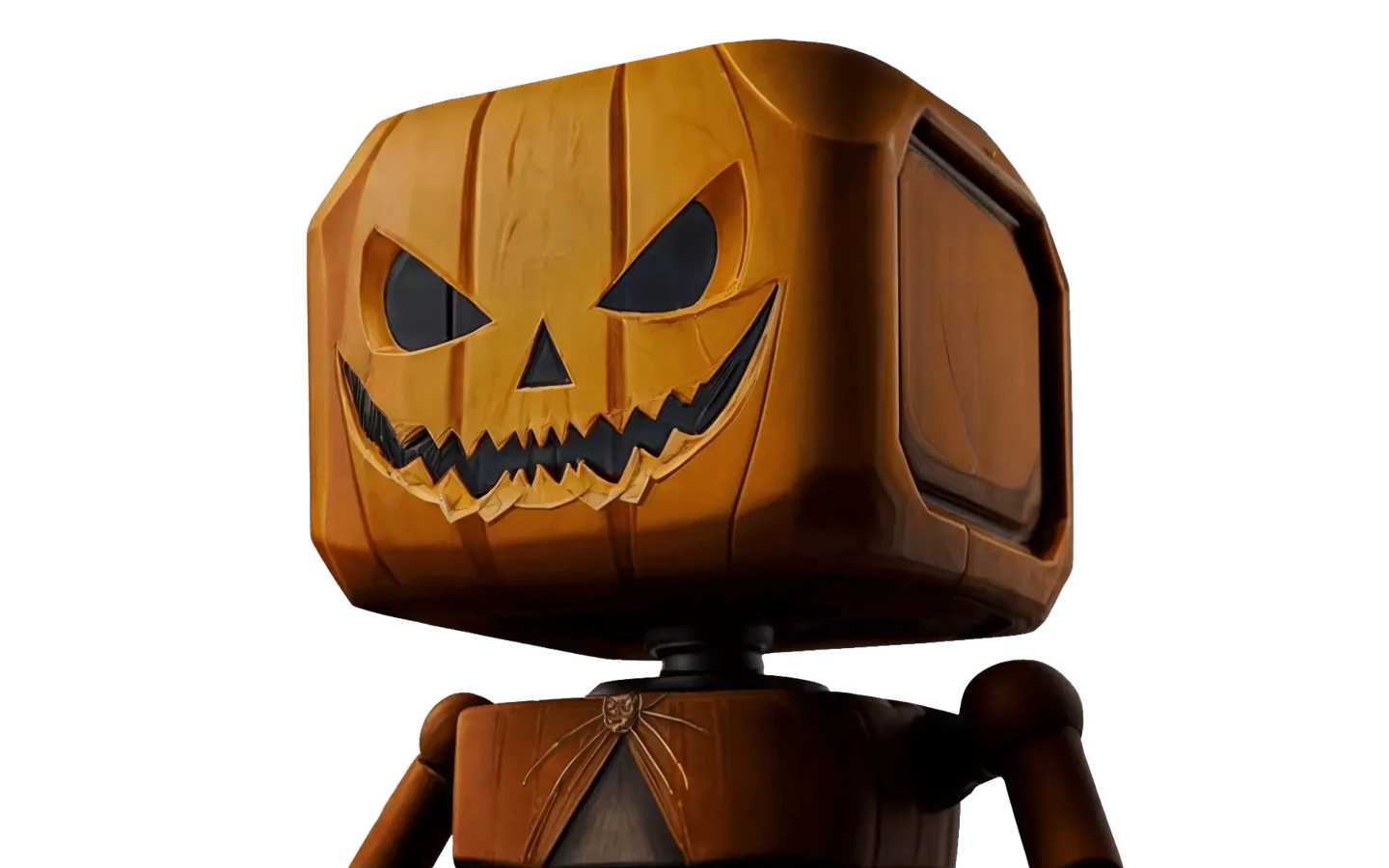
Rare — pumpkin king 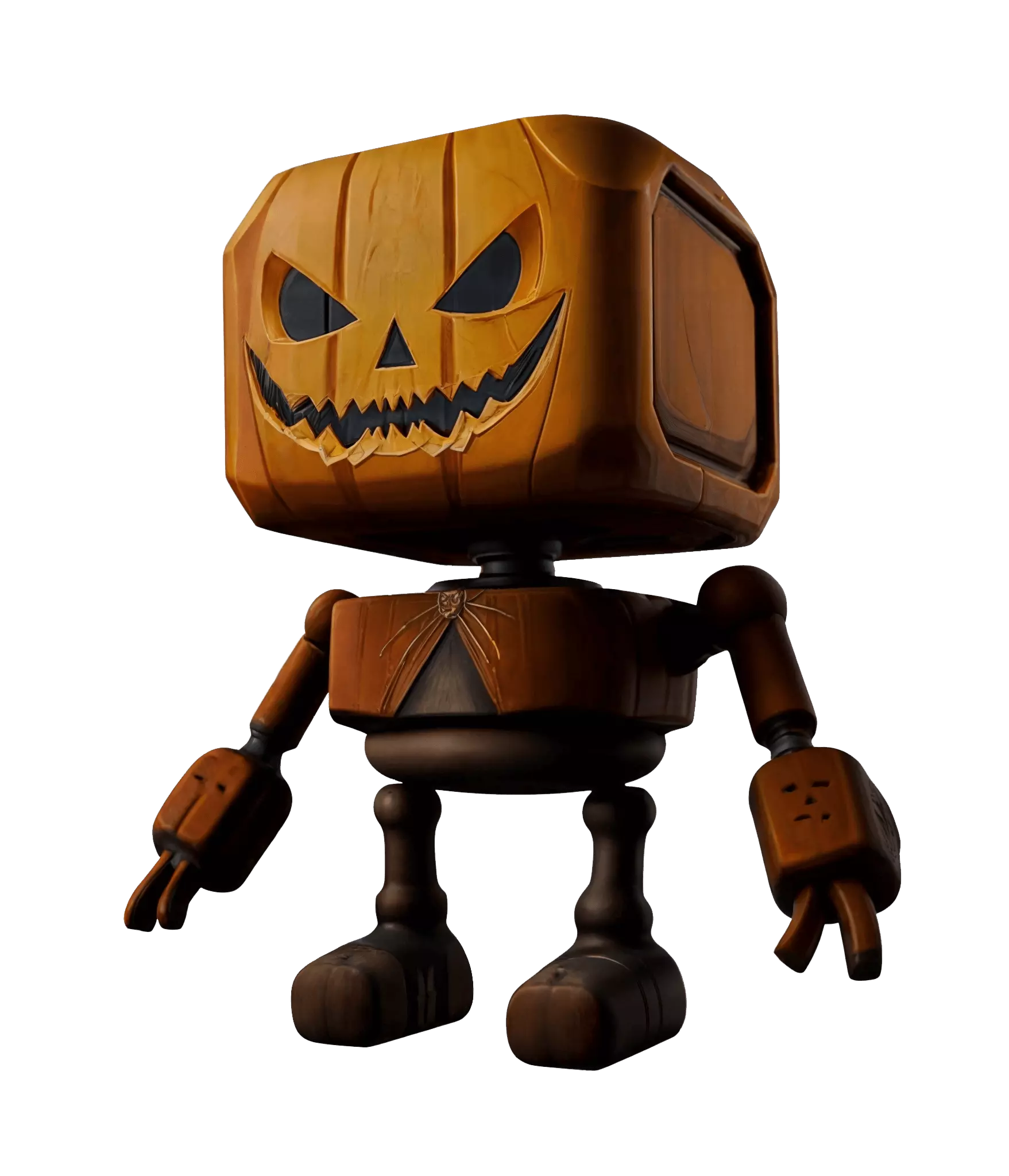
Rare — pumpkin king
Remix reference art into a seasonal trait recipe, then lay it onto the same mesh as new PBR maps.
Legendary — sci-fi armor 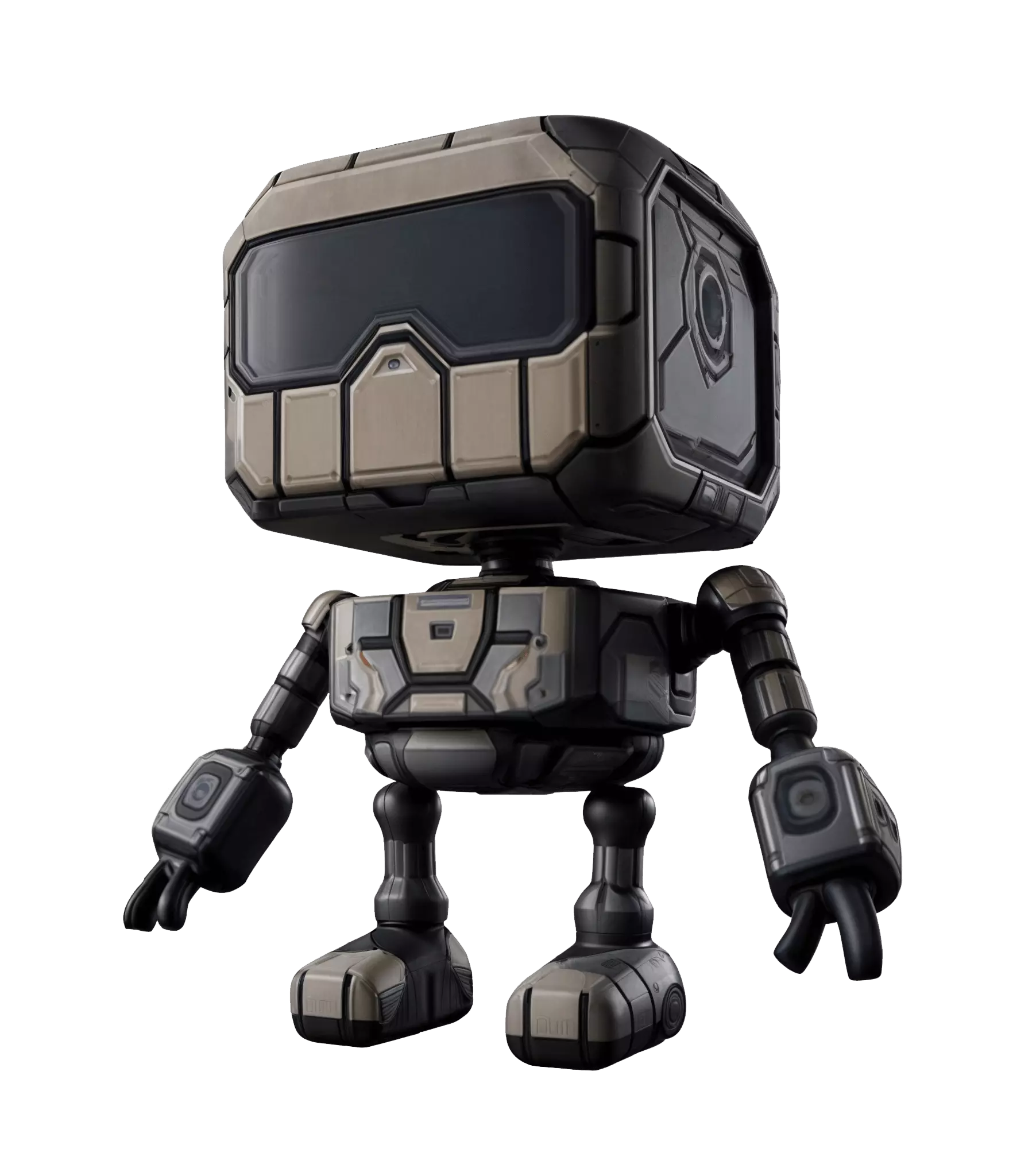
Legendary — sci-fi armor
Top tier earns geometry: sculpt extra plating in the mesh editor before the final texture pass.
민팅 당일에 일어나는 일
Hyper3D creates high-quality 3D collectible assets for supported digital-collection workflows.
3D NFT의 다음 목적지
GLB is the master file; everything else is a derivative. Four paths a finished token file usually takes.


3D NFT 질문, 솔직한 답변
The mint question, the format question, the file-size question — answered the way you would answer a fellow artist.