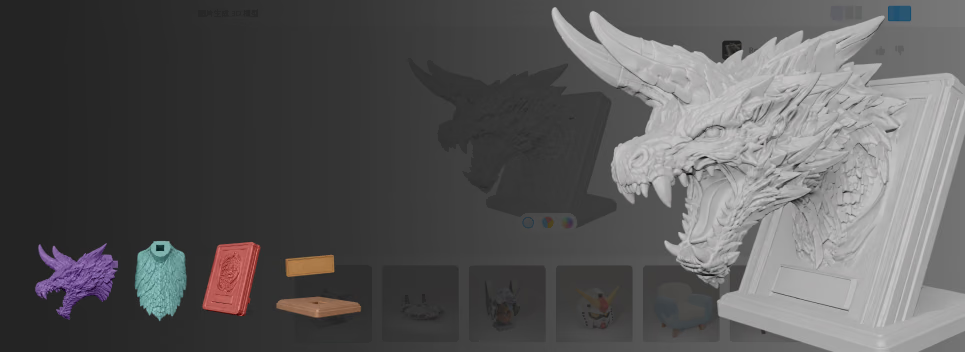
AI 3D just hit a new threshold. Rodin Gen-2.5: Geometry in ~4s, full model in ~5s, 10M+ polygons, clean structure, production-ready outputs. This is the moment AI 3D becomes an actual pipeline tool.

Turn a photo, a sketch, or a text prompt into a printable 3D model. Remesh it watertight in your browser and export an STL your slicer will actually accept.
A mesh can look perfect in the viewport and still fail at print time. Generate 3D printable models from images or text, then fix what slicers actually care about before export.
Voxel remeshing rebuilds generated geometry into a closed, manifold shell — no naked edges or flipped normals for the slicer to trip on.
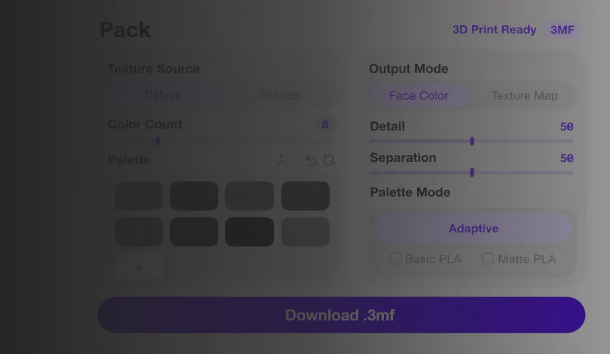
STL drops into any slicer. 3MF and OBJ are one click away, and GLB or FBX cover everything that isn't a print.
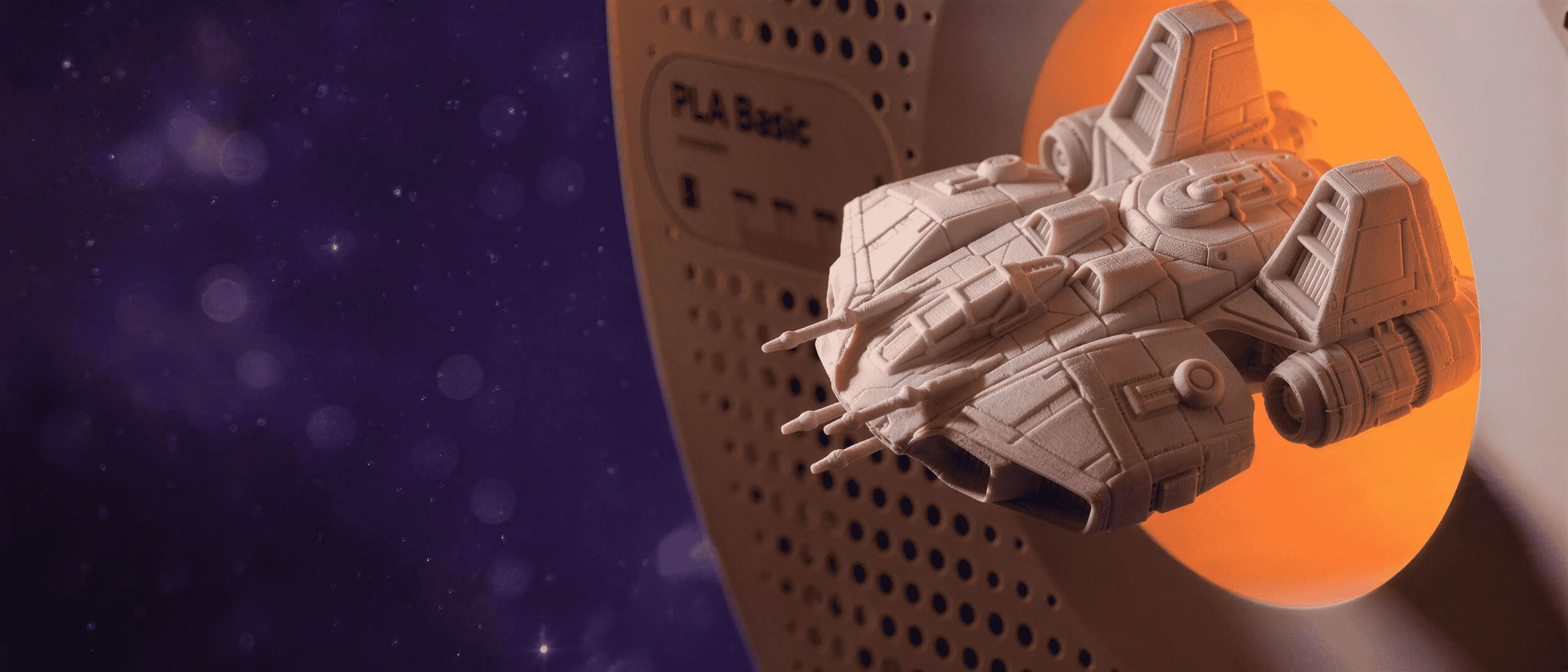
FDM doesn't need ten million triangles. Decimate with dynamic topology or remesh at a lower resolution to keep files light and slicing fast.
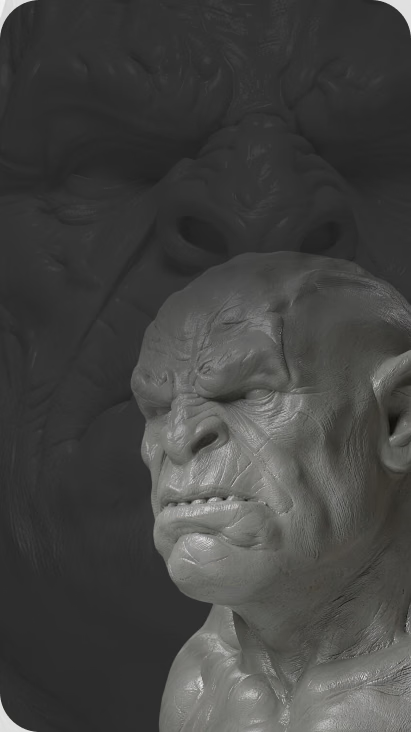
Resin printers reward dense geometry. Rodin's high-poly output keeps engraved text and sculpted surfaces crisp at fine layer heights.
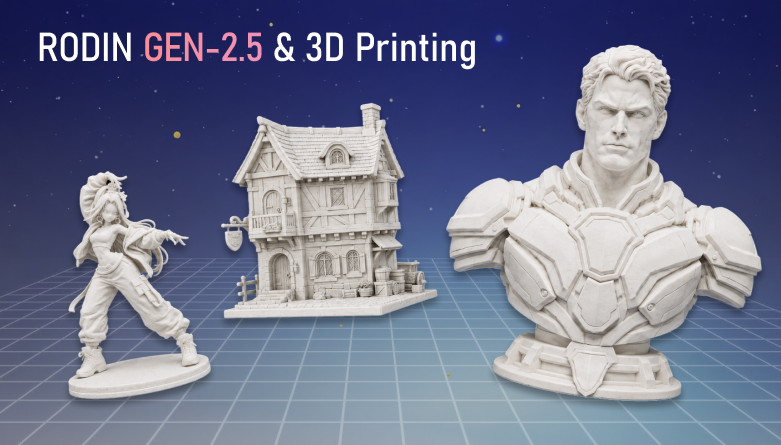
The same pipeline covers a resin miniature and an FDM bracket: reference in, mesh out, STL into the slicer.

Feed Rodin a product photo, a sculpt concept, or a written prompt. One clean subject per image gives the best geometry.

Rodin returns a full mesh, not a render. Orbit it, check overhangs and thin walls, and regenerate until the shape is right.

Remesh watertight if needed, then export STL, 3MF, or OBJ and open it in Cura, PrusaSlicer, Bambu Studio, or Chitubox.
Generation gets you the shape. The OmniCraft Mesh Editor gets it through the slicer. Slicers are unforgiving. One naked edge or inverted normal and you get spaghetti — or nothing at all.

A Saturday one-off or a batch of fifty for the con table — the workflow is the same, only the printer settings change.
Generate a hero mini from character art, decimate to a clean silhouette, and print at 28 mm on a resin machine. Scenery and terrain forgive even more.
Scale a concept up to helmet size, remesh so the shell stays closed, and let your slicer cut it into build-plate pieces.
Draft brackets, enclosures, and jigs from reference photos, then export OBJ and true up critical dimensions in CAD before you print.
Print resin masters for silicone molds or investment casting. Start from a sketch, refine the sculpt, and export a watertight STL.
크리에이터는 Hyper3D로 레퍼런스와 프롬프트를 편집 및 내보내기 가능한 3D 모델로 바꿉니다.
AI 3D just hit a new threshold. Rodin Gen-2.5: Geometry in ~4s, full model in ~5s, 10M+ polygons, clean structure, production-ready outputs. This is the moment AI 3D becomes an actual pipeline tool.
Tested Rodin Gen-2.5 from Hyper 3D. Cleaner meshes, sharper surface detail, stronger multi-angle coherence. The results feel much closer to something you’d actually keep iterating on inside a real workflow.
Rodin Gen 2.5 is a game-changer. 10M+ polygons, 3D-native textures, and seriously good results on complex high-poly models. Production-ready assets just got a lot closer.
STL export, watertightness, slicers, cleanup — the details that decide whether a print succeeds.
Generate a model from a photo or a prompt, make it watertight, and send the STL to your slicer. The first test print will tell you more than any demo reel.