




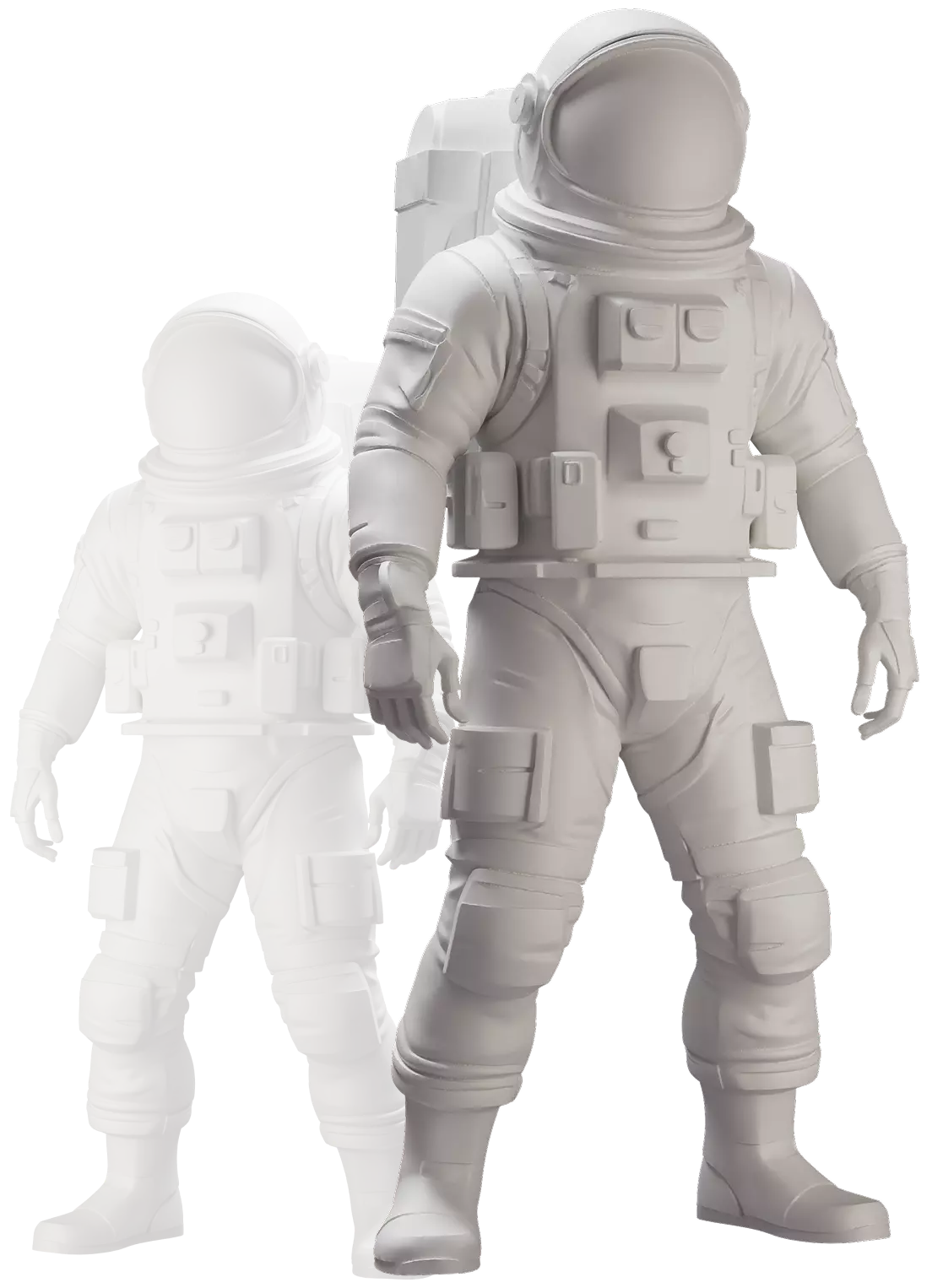
AI 오가닉 3D 모델 생성기
Generate creatures, plants, rocks, and flowing organic forms from text or images with sculpt-like detail, clean topology, and PBR materials.
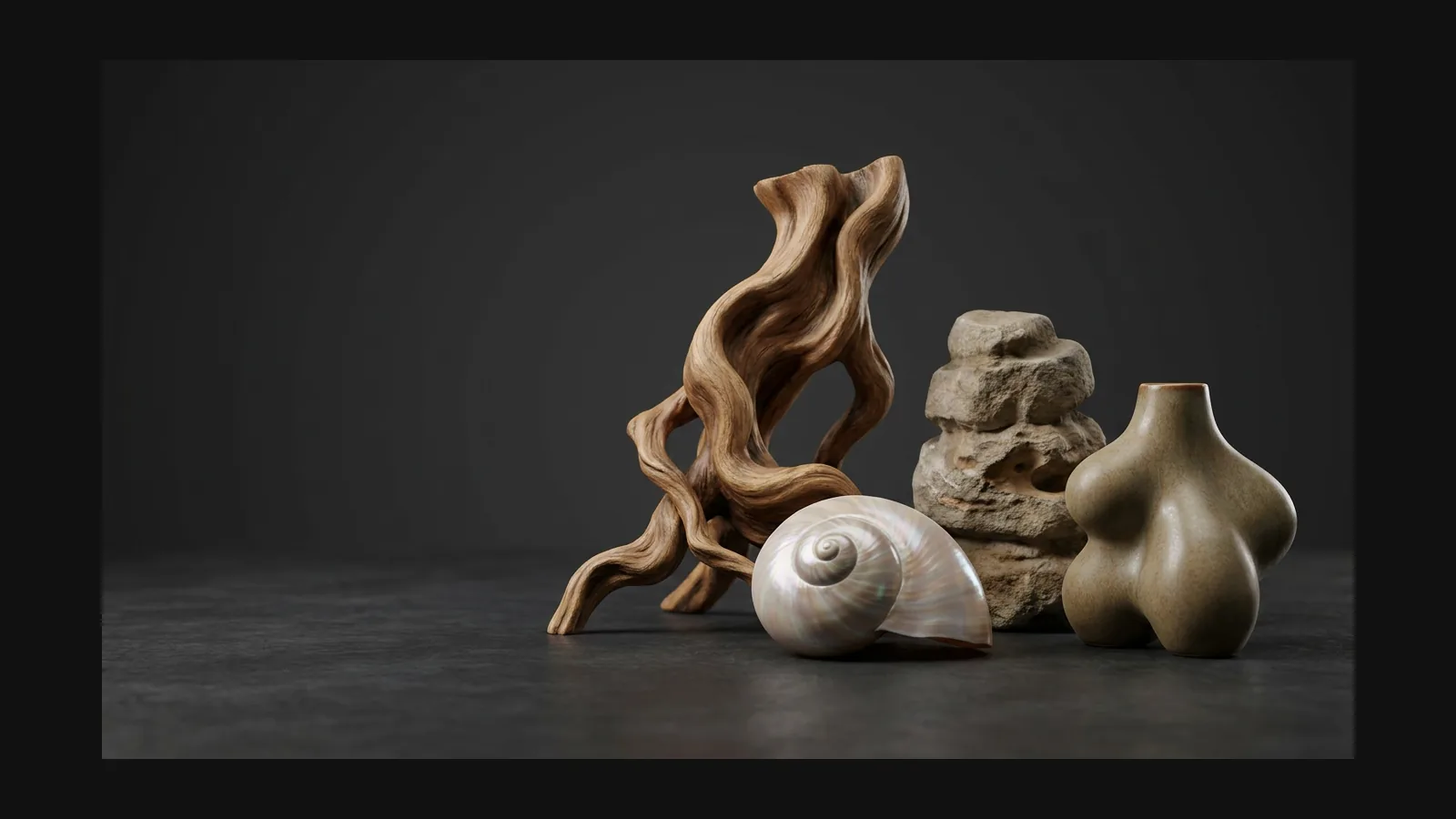


몇 주의 스컬핑 없이 만드는 오가닉 3D 모델
Box modeling loves flat planes and hard edges — and fails at everything nature makes. A tree trunk has no straight lines to extrude; a creature's shoulder is a knot of overlapping masses; a rock face is pure asymmetry. The traditional answer is digital sculpting: brilliant, and slow to learn, slower to finish. Rodin approaches organic shapes the way a sculptor does — as continuous volumes rather than assembled panels — so a photo of a gnarled branch or a two-line creature prompt comes back as a mesh with the lumps, folds, and asymmetry already in place. You spend your time art-directing the form, not fighting topology to make it.
오가닉 3D 모델로 만드는 것들
Three families of natural forms, three different downstream pipelines. The generation step is the same; what changes is what you do after.
크리처와 캐릭터
Rodin generation is pose-free, and you can select the target pose in Rodin's generation parameters, including A-pose and T-pose options.
식물과 폴리지
Hero plants for archviz and product scenes: a monstera by the sofa, a bonsai on the shelf. Generate the statement piece at full detail, then let the engine's scatter tools handle the grass and background greenery.
바위, 지형, 프린트용 소품
Boulder clusters and cliff chunks for environments — and organic sculpts make the most satisfying prints, since layer lines hide in natural texture. Export watertight STL and see the [3D printing guide](/ko/use-cases/3d-printing).
오가닉 3D 모델을 키우는 프롬프트
The trick with natural forms: describe growth and asymmetry, not geometry. Words like "gnarled", "drooping", and "weathered" shape the silhouette more than any dimension could.
Creature with sculpted skin
“Forest troll, moss-covered bark-like skin, asymmetrical horns, heavy shoulders, sculpted surface detail.” Select A-pose separately in Rodin's generation settings when desired.
Hero plant for an interior scene
"Monstera deliciosa in a terracotta pot, split leaves with natural droop, slightly dry leaf edges, uneven growth toward the light." Asking for droop, dryness, and phototropism is what separates a living plant from a plastic one.
Rock formation with erosion history
"Weathered sandstone boulder cluster, layered erosion strata, wind-carved hollows, sharp fractures on one face." Giving the rock a history — wind from one side, a recent fracture — produces the believable asymmetry random noise never does.
Food and everyday organics
"Sourdough loaf, deeply scored crust, flour dusting, irregular air pockets at the torn end." Food is the sneaky-hard organic subject — bakers and restaurant menus need it, and torn or cut surfaces are what sell the realism.
사진에서 스컬프트 가능한 오가닉 모델까지
Rodin generates clean topology across supported workflows. OmniCraft separately provides optional retopology, voxel remeshing, decimation, and smoothing controls for creative changes or destination-specific optimization.
1
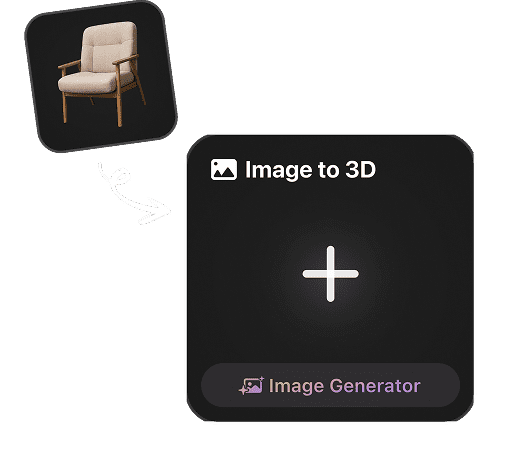
형태를 찍거나 묘사하기
Nature is the one reference library that is always open: photograph driftwood, a houseplant, your dog. For invented creatures, describe masses and growth ("heavy shoulders", "roots wrapping the base") rather than measurements.
2
고충실도 실루엣
Rodin captures organic silhouettes and surface forms with high fidelity, guided by your text or image reference.
3
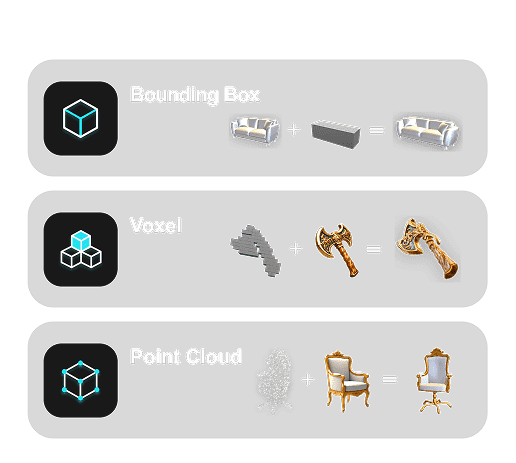
깔끔한 유기적 토폴로지 및 유연한 내보내기
Rodin generates high-fidelity organic assets with clean topology and flexible export options for creative 3D workflows.
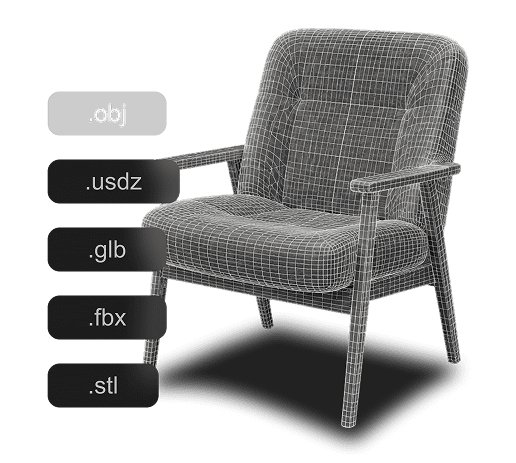
유기적 자산을 위한 깔끔한 토폴로지
오가닉 3D 모델: FAQ
Explore organic detail, pose-free generation, and 3D-printing-ready assets for creatures, plants, rocks, and sculpt-like forms. Sim Ready is available now for simulation workflows.