




AI 写实 3D 模型生成器
把照片和参考图变成经得起引擎与商品页考验的写实 3D 模型:可信的材质、合理的面数、干净的导出。


写实 3D 模型的可信感来自哪里
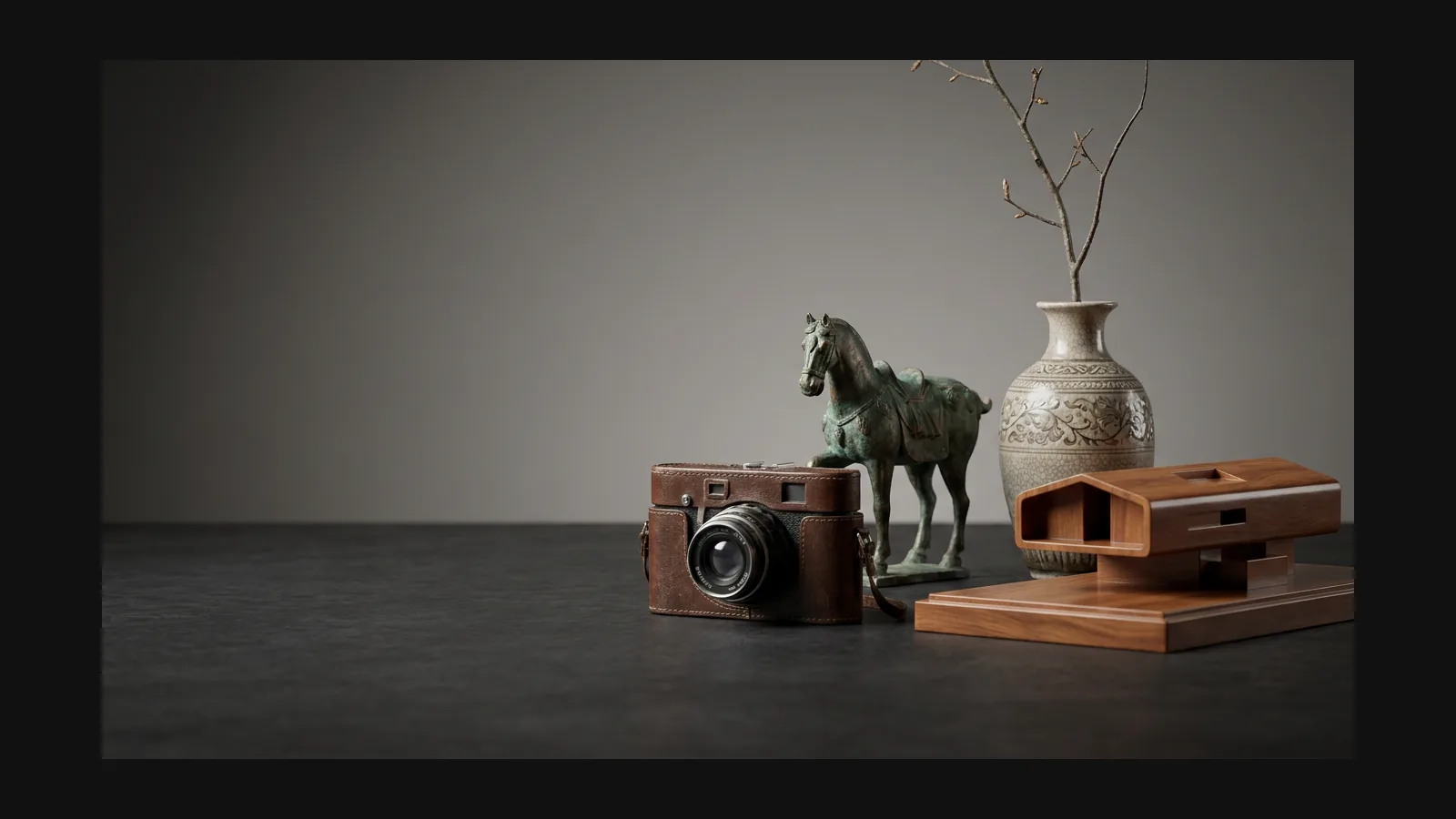
写实不是一个开关,而是眼睛在第一秒就会检查的四个习惯——也是提示词里值得写明、生成后值得修正的四件事。
比例与轮廓
Rodin 可生成高忠实度的工业制品模型,比例协调,接缝与紧固件位置合理,并能从照片参考中出色保留原物体的视觉特征。
材质响应
Rodin 输出 Base Color、Normal、Metallic 与 Roughness 贴图,在多样场景光照下呈现物理准确、高质量的材质响应。
磨损与瑕疵
真实世界没有出厂即完美的东西。边缘磨损、凹槽积灰、略微不匀的漆面——在提示词里点名要求("边缘刮擦"、"油渍"),资产就不再像渲染出来的。
比例尺与场景
Rodin 以稳定的真实世界尺度创建高质量写实资产,用于受支持的 AR 与 Web 工作流。
写实资产的提示词配方
没有一键"写实"的模型开关。风格来自你喂给 Rodin 的内容:主体、材质、成色和用途。照抄这些配方,替换名词即可。
有故事感的游戏道具
"weathered leather medic satchel, brass buckles, scuffed edges, stitched seams, realistic PBR materials, game asset"。成色词(weathered、scuffed)比 realistic 这个词本身更能带来写实感。
电商商品的 3D 分身
上传一张商品照片,并使用:“匹配参考图、干净的摄影棚商品效果、不添加磨损或损伤。”需要更多视觉引导时,可选择添加其他视图。
环境陈设物
"concrete highway barrier, chipped paint, rust streaks below the rebar, oil stains at the base, photoscan look"。photoscan look 这个线索会把贴图拉向实拍扫描的噪点感,而不是绘画式的干净。
从"像真的"到"能上线"
Rodin 支持在生成时选择目标面数并可选择生成 LOD;OmniCraft 的重构与减面是面向目标平台的可选优化。
从参考图到引擎可用的写实资产
Rodin 可从单张参考图生成高度还原、近乎可直接使用的写实 3D 资产。
1
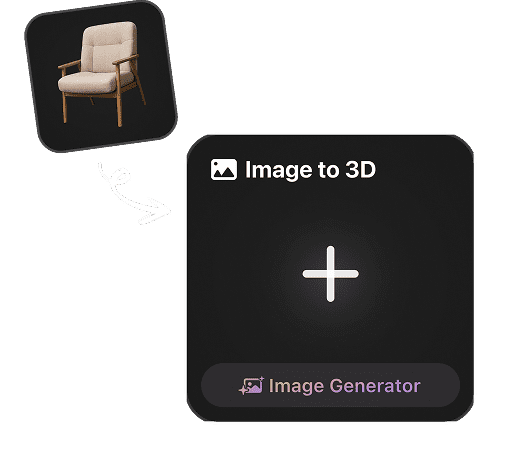
给它一张照片或落地的提示词
一张图片足以让 Rodin 生成大多数对象的完整模型;如需更多视觉控制,可选择添加其他视图。
2
生成后像甲方一样检查
Rodin 以高质量首轮结果为目标。
3
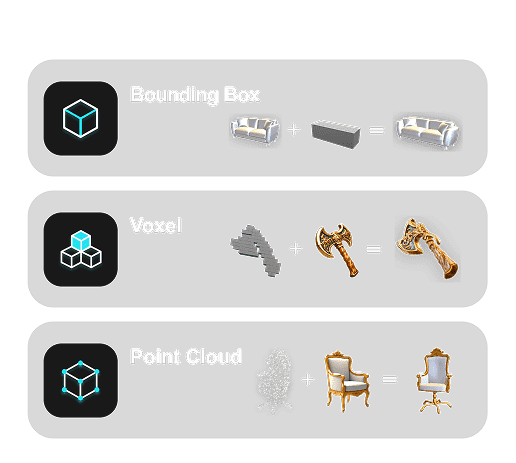
写实资产的干净拓扑与灵活导出
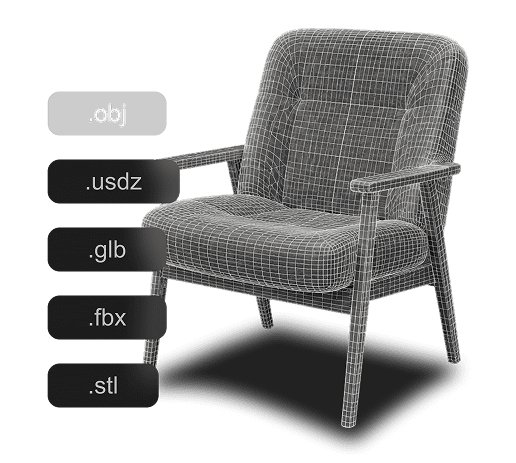
Rodin 支持在生成时设定目标面数,并可将高质量资产导出用于网页、电商、实时、AR、内容创作与 3D 打印工作流。
写实 3D 模型:常见问题
面数、PBR 贴图、商品照片输入,以及各格式的去处。