




GPT-6 Astra
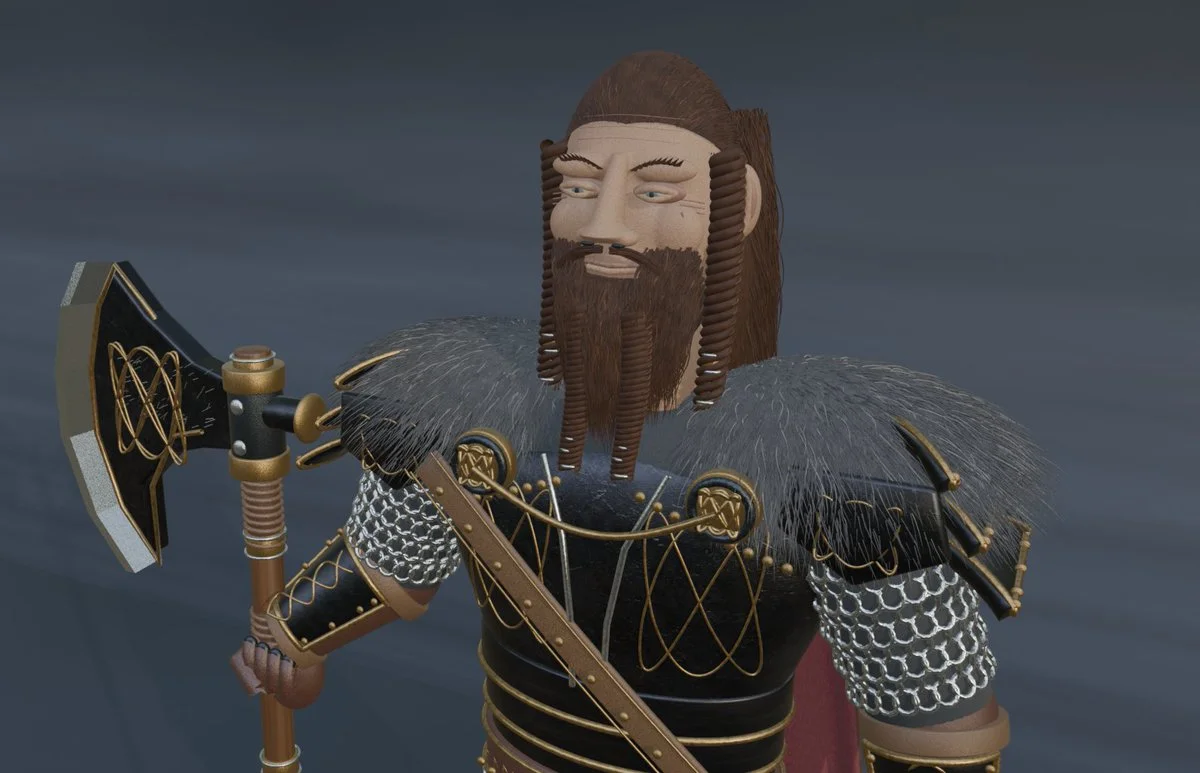
Viking character in Blender
Create an editable 3D Viking character in Blender. Focus on recognizable costume, facial structure, body proportions and a readable presentation pose.
Explore 3D projects made with GPT-6 Astra, from models and scenes to interactive worlds. Preview each example, read the source and adapt its prompt for your next creation.
Create an editable 3D Viking character in Blender. Focus on recognizable costume, facial structure, body proportions and a readable presentation pose.
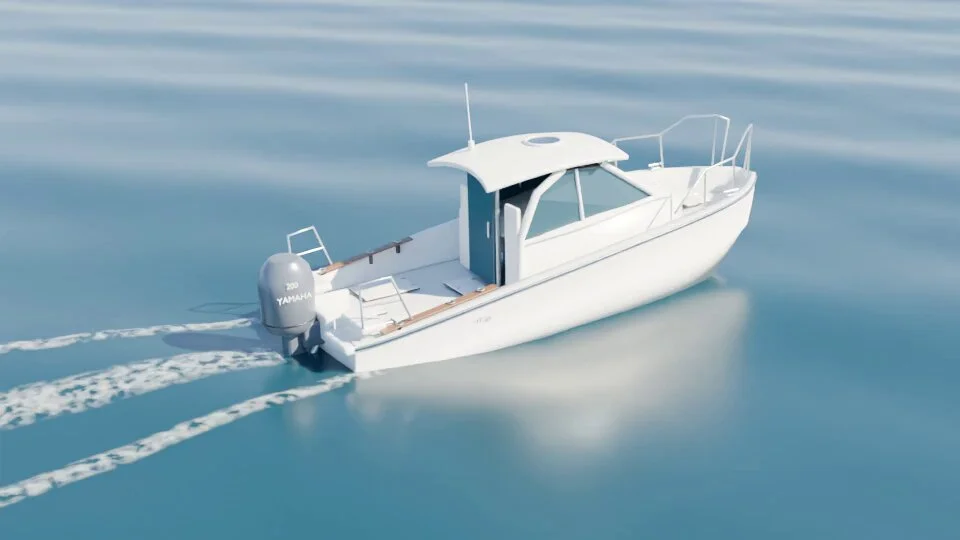
Model a YF-24 boat in Blender and animate it travelling across a three-dimensional sea at Beaufort force 2. Use boat references to improve the shape.
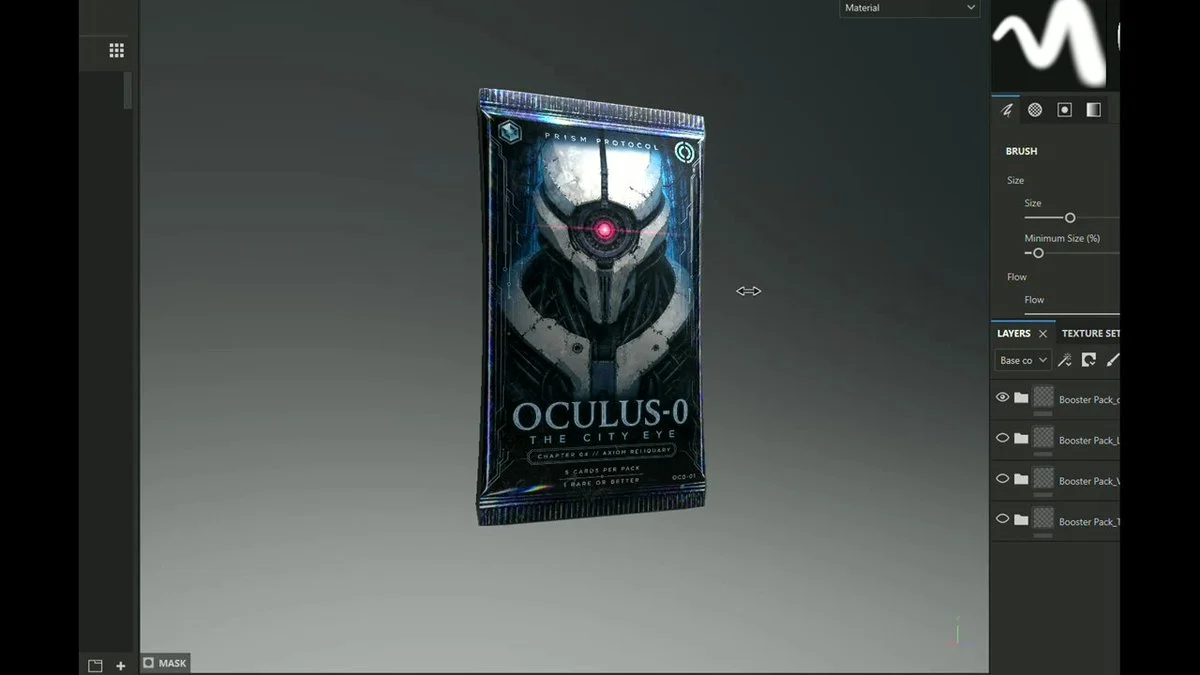
Build a Three.js trading-card prototype: buy decks and boosters, construct a deck, enter a battle arena and earn rewards. Keep placeholder meshes replaceable with finished assets.
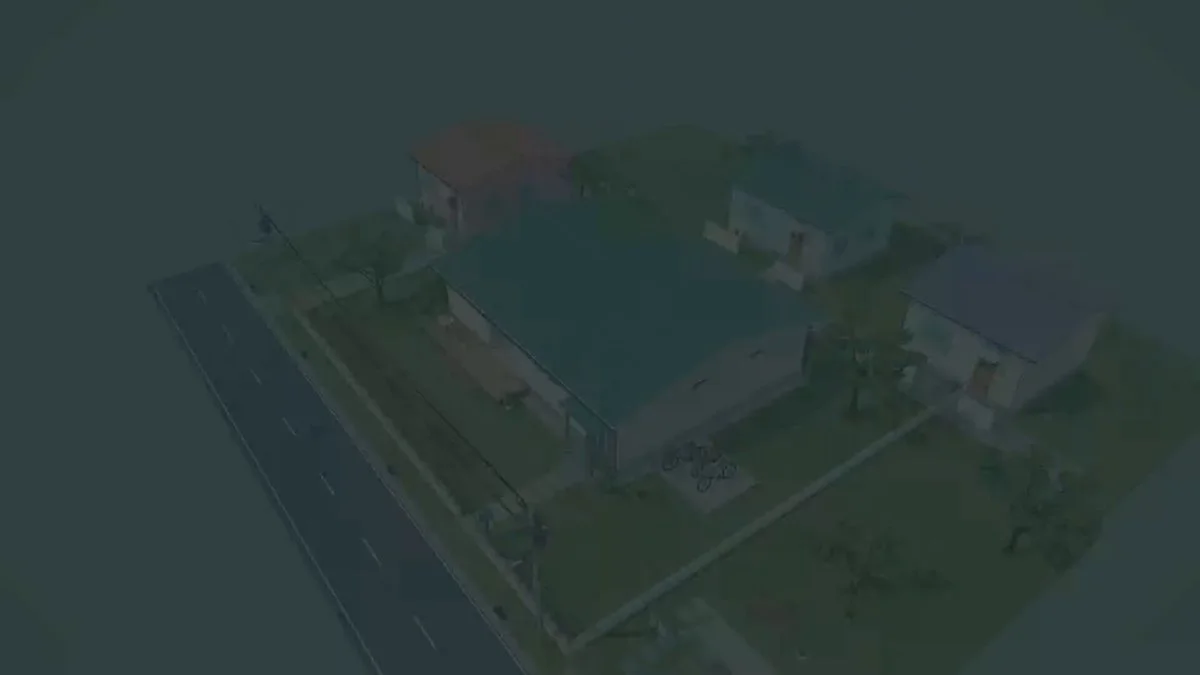
Model a house from scratch in Blender. Keep the scene editable so the building can be inspected and refined in subsequent iterations.
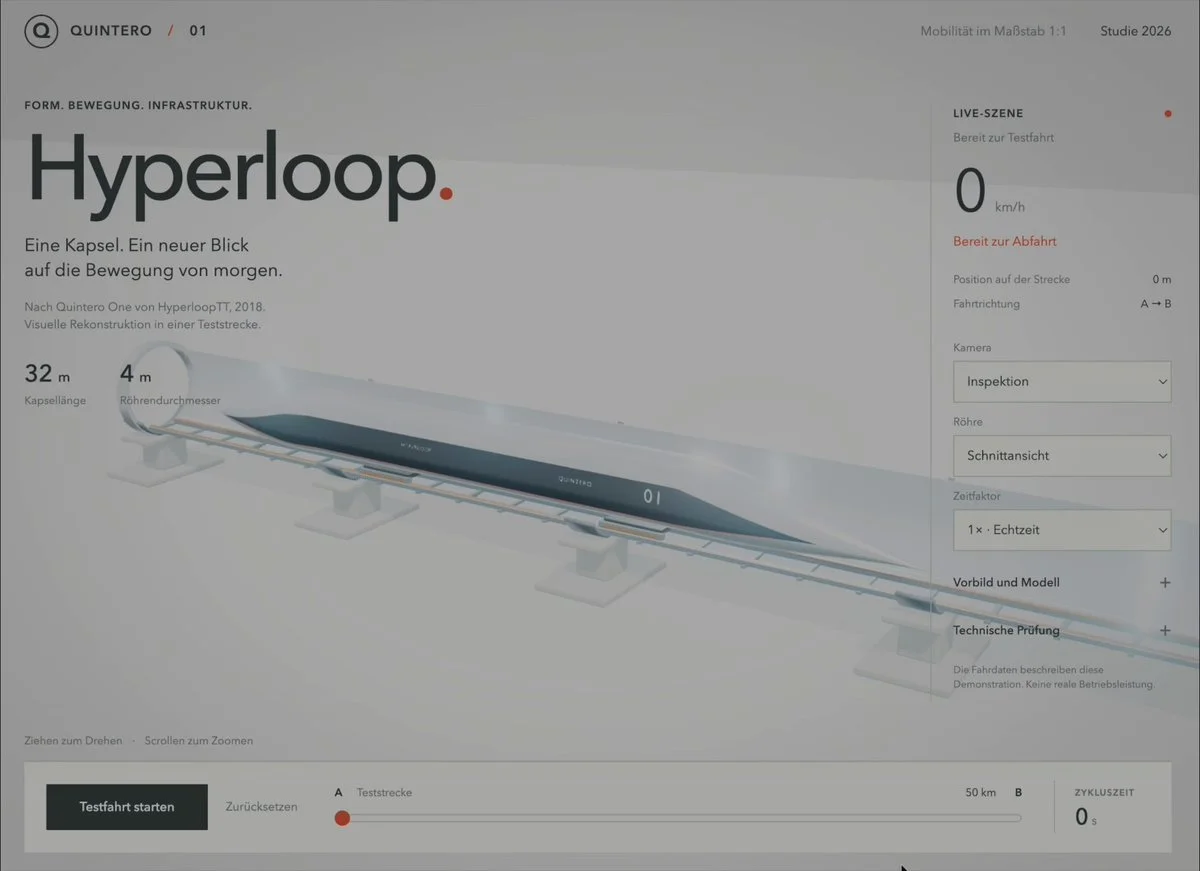
Build an interactive Three.js Hyperloop demonstration showing a transport pod, tube infrastructure and motion through the system.
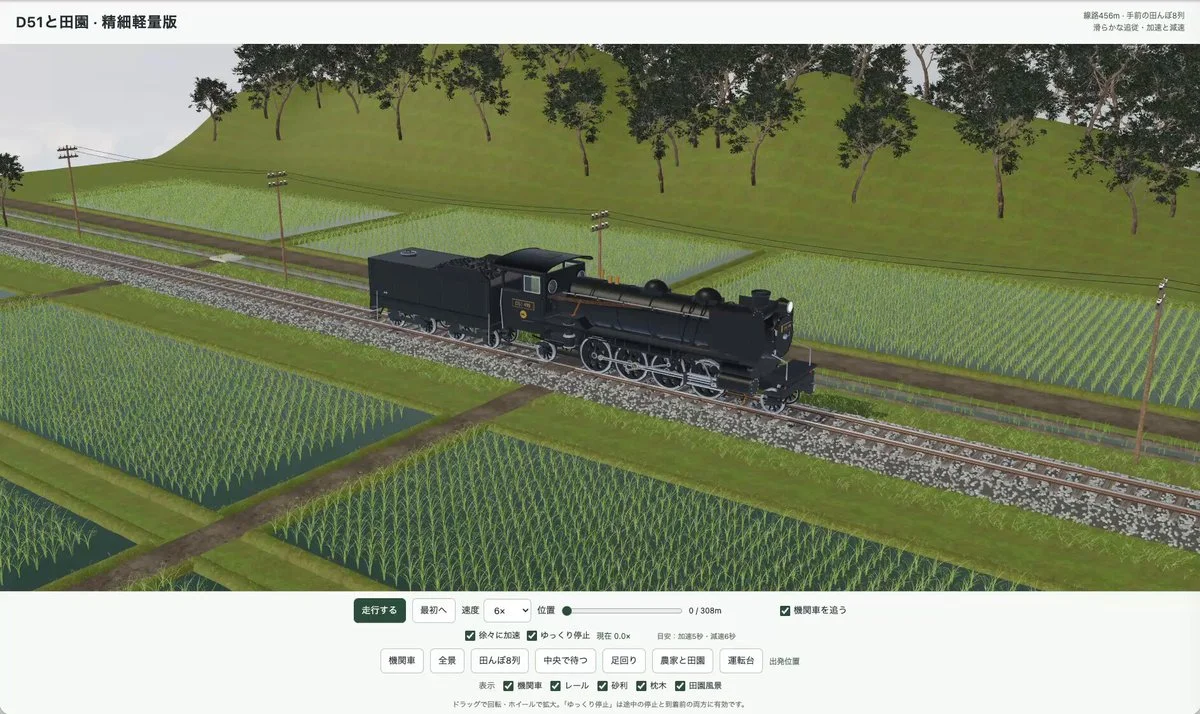
Model a steam locomotive in Three.js and animate it travelling through a countryside scene. Synchronize the wheel movement with the train's motion.
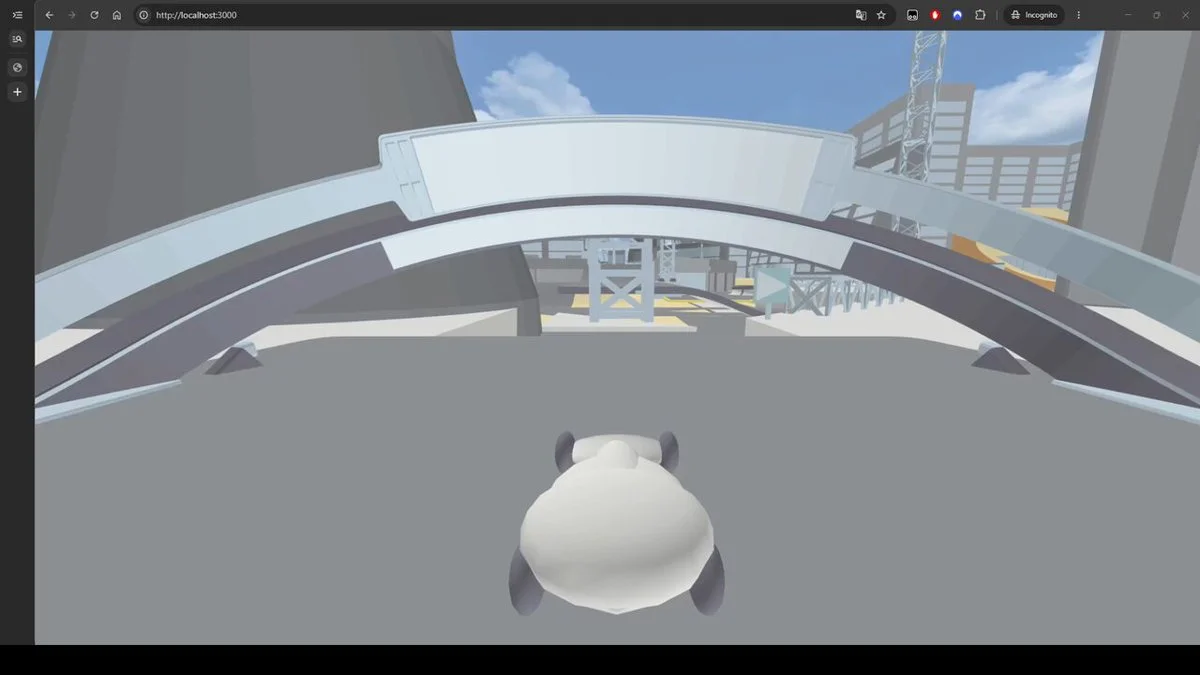
Recreate a Trackmania-style racing physics system in C#, run it through WASM and render the course in Three.js. Use collidable track meshes and test vehicle handling.
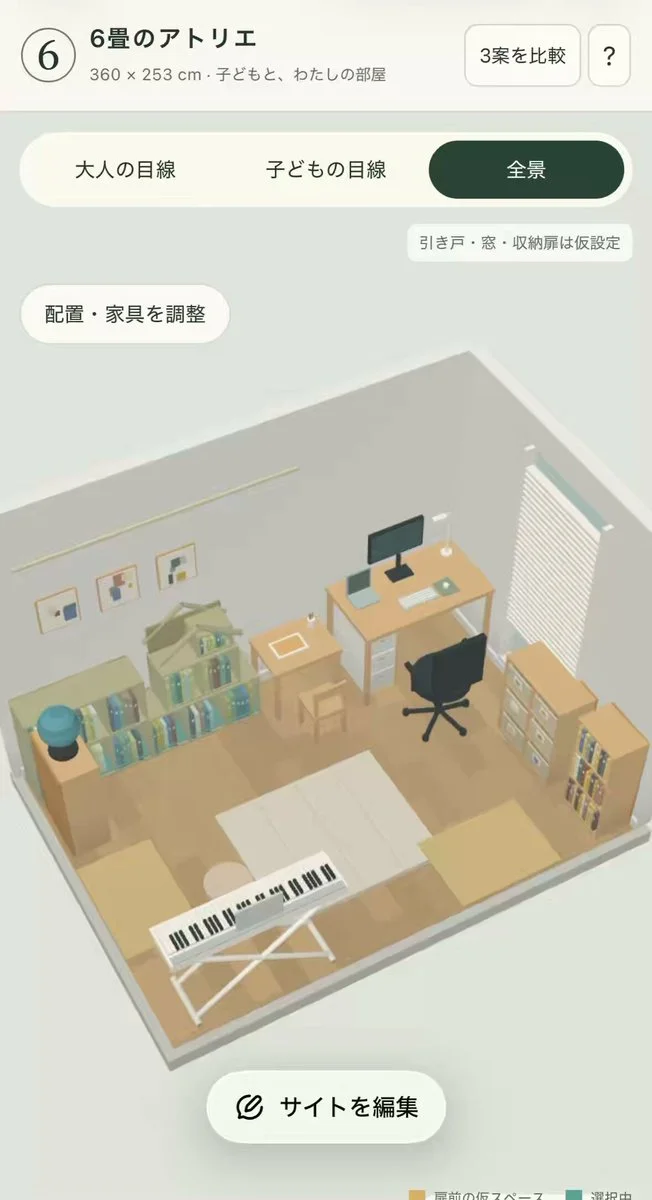
Reconstruct a child's room that doubles as a workspace from four corner photos and room dimensions. Show adult and child viewpoints, an overview and alternative furniture layouts.
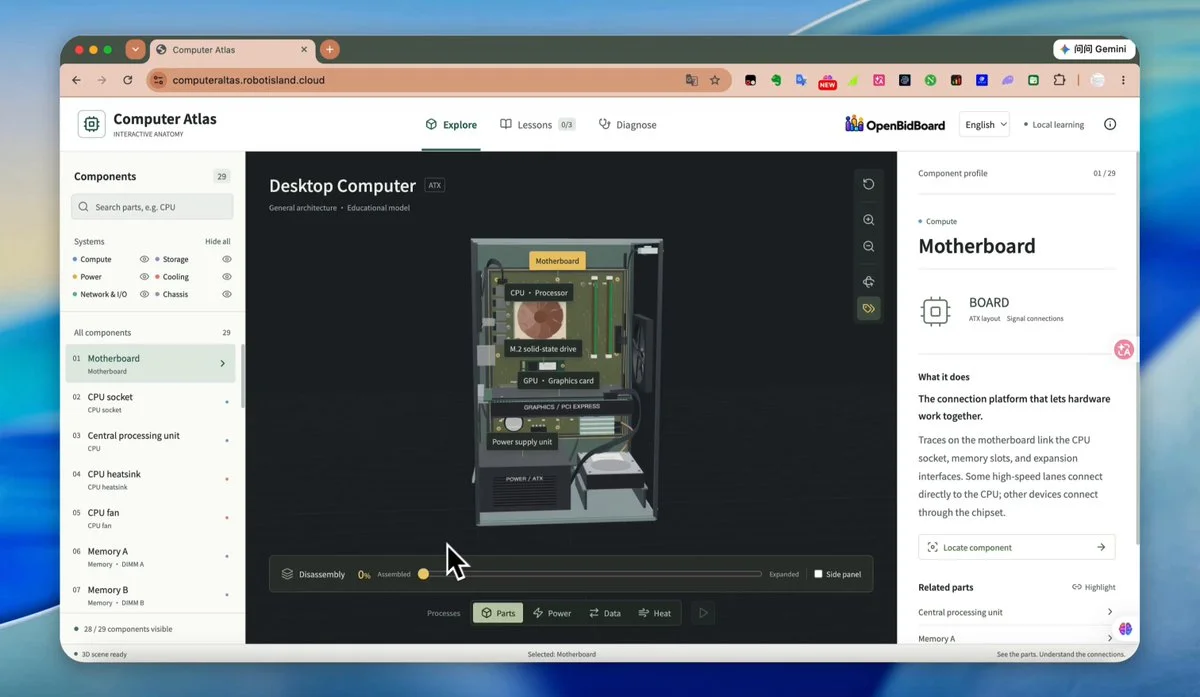
Create an interactive 3D website that separates a desktop computer into 29 core components. Add animated disassembly and explanations for each part.
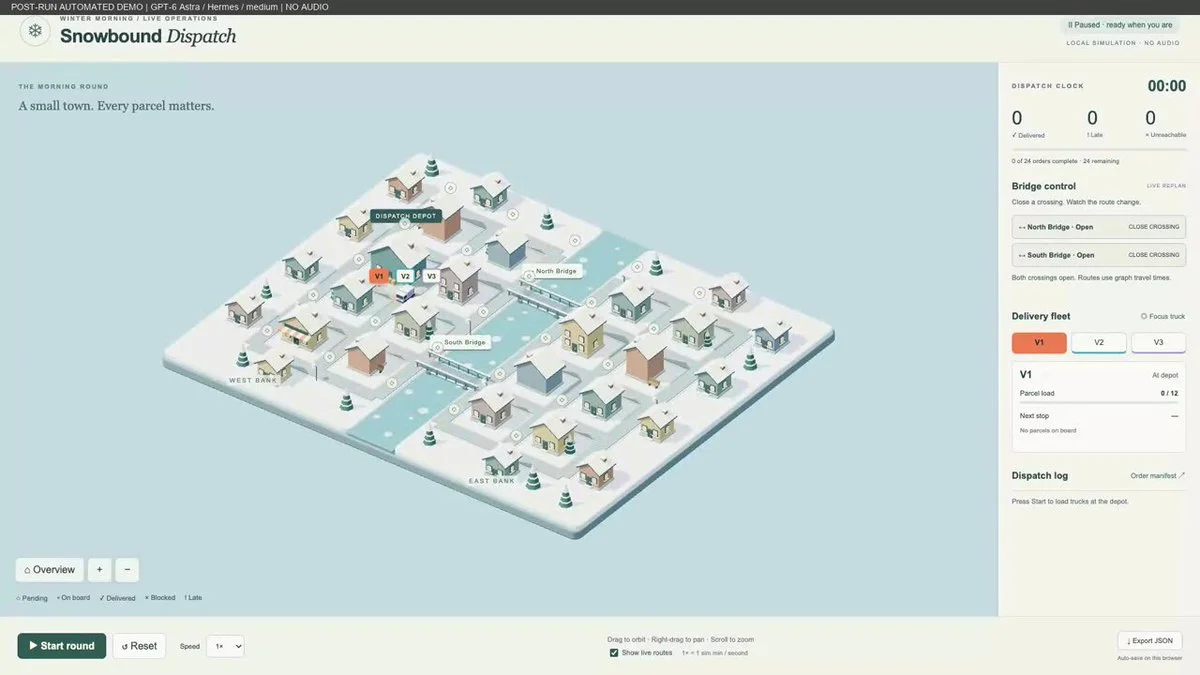
Build a 3D delivery simulation where closing bridges changes truck routes. Detect unreachable destinations and restore deliveries when a route reopens.
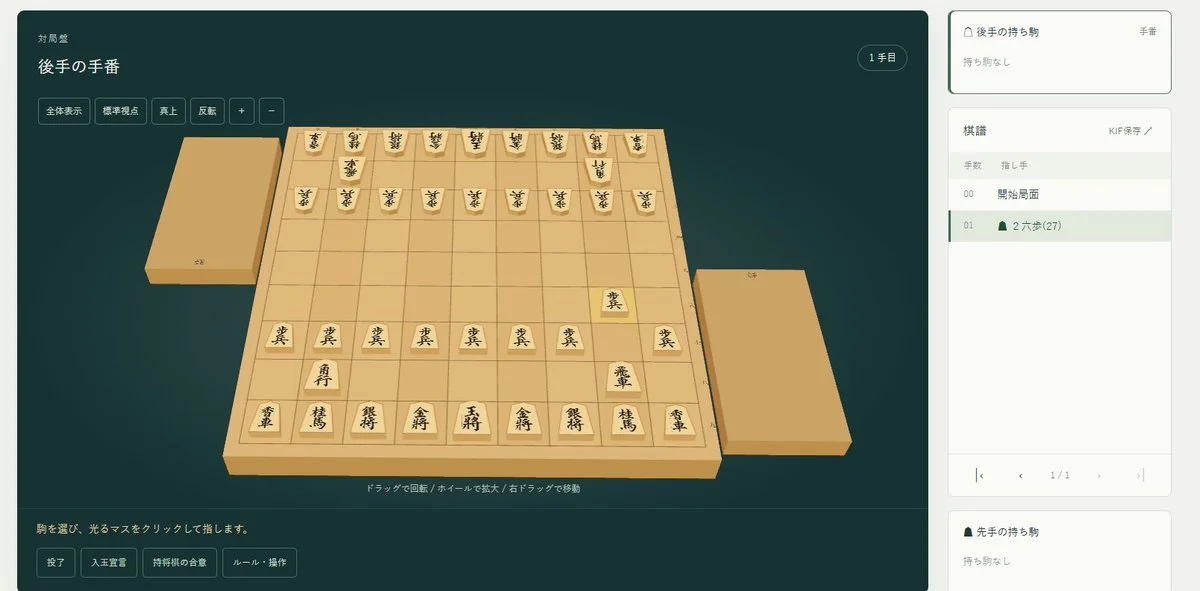
Build a playable 3D shogi application with a freely rotatable board. Refine the board, pieces and interactions through successive reviews.
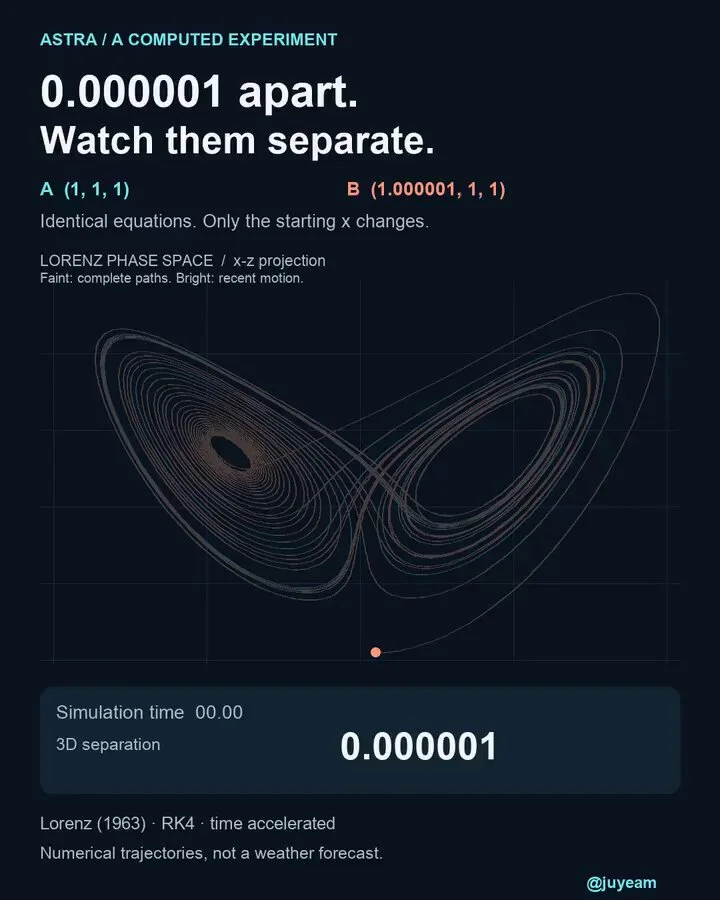
Visualize two Lorenz-system trajectories with a tiny initial-position difference. Let viewers change the difference and scrub through time, while distinguishing numerical checks from exact long-term predictions.